

How a Personal Trainer Keeps You Accountable
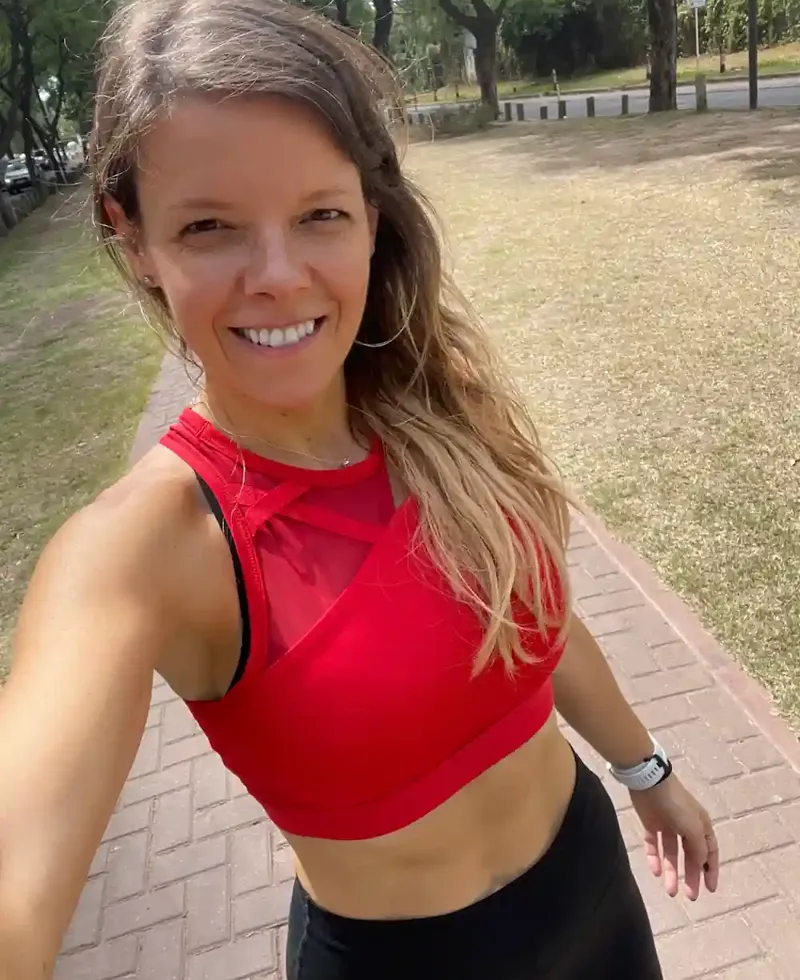
Author: Maria Vazquez
NASM-CPT, ISSA Corrective Exercise Specialist · Head of Training at Mywowfit
A booked workout has a time and a person expecting you. Here’s how a trainer helps when you’re short on time or getting back to exercise after a missed week.

It’s Tuesday at 6 p.m. You’ve set aside time to train, and a work call runs over. The workout you planned is 45 minutes. You have 25. If you’re training alone, you have to make two decisions before you even start: whether it’s still worth exercising and what to cut. If you’ve booked a trainer, you can join the call and start with one sentence: “I have 25 minutes today. What should we keep?”
That’s fitness accountability in practice. A person expects you at a specific time and helps you follow through on a plan you made together. Booking answers when you’ll start. Your trainer helps you decide how to use the time once you get there.
How Mywowfit keeps you accountable
At Mywowfit, you book live, one-on-one workouts with a trainer. You choose when to train, and your trainer joins you at that time via Zoom or Google Meet, depending on the trainer. If you work with the same person regularly, they can use what happened in one workout to plan the next.
Before the session, agree on a time you can protect
Start with the week you actually have. If Tuesday afternoons regularly disappear into meetings, book Thursday morning. The point of having an appointment is that you’ve already made a decision about when to start. When that time arrives, someone is there to coach you through it.
During the session, decide what’s worth keeping
Back to that 25-minute Tuesday. You might agree to keep the main exercises and leave out the extras. Your trainer can watch your first set, give you a cue to improve your form, and adjust the load, reps, or pace. If an exercise feels uncomfortable, tell your trainer so you can switch to a different movement. You get a session that fits the time you have and the goals you came in with.

After a missed session, agree on where to restart
Suppose you miss a week while traveling. When you book again, tell your trainer how long you’ve been away and what feels manageable now. You might start with familiar movements and fewer sets, then decide together what to bring back next time. If the same appointment keeps falling through, change the appointment.
A good accountability plan gives you an answer to two questions: when am I training next, and what do I do if that plan falls through?
What the research shows
Dawson and colleagues randomly assigned 84 adults who were doing little exercise to one of three eight-week programs. Two groups followed the same exercise program through live Zoom group classes or prerecorded videos. The third group received health education without scheduled workouts. Dawson et al., 2024
| Program format | Participants |
|---|---|
| Live Zoom group classes | 75% (21 of 28) |
| Prerecorded workout videos | 40% (12 of 30) |
| Health education | 31% (8 of 26) |
In this study, participants in live classes were nearly twice as likely to reach the 16-workout mark as those using recordings.
A smaller, five-week study of 21 young men also reported higher adherence for trainer-led livestreams than for recordings or a written plan. The trainer logged livestream attendance, while participants logged their own workouts in the other groups. Both studies used live group sessions and measured short-term follow-through. Whether the same results apply to long-term, one-on-one online coaching is an open question. Daveri et al., 2022
Regular contact with a coach may also help beginners get more workouts in. In a randomized study, both groups started with two personal training sessions over Zoom. Beginners who then had weekly video check-ins with a coach logged about 2.5 more days of strength training over four weeks than those who had no further contact. Four weeks later, the difference was no longer statistically significant. Kompf et al., 2023
There’s also a case for planning what happens after a miss. In a four-week experiment with more than 61,000 gym members, the most effective program offered a small reward for coming back after a missed workout. A practical way to plan your own return is to pick a backup slot with your trainer while you’re booking for the week. Milkman et al., 2021
How to tell whether coaching is helping
Look back at the past month and ask yourself:
- Did I know when I was training next? A clear appointment takes one decision off your plate.
- What did my coach change when the original workout felt out of reach? Look for a specific adjustment you understood and could use.
- What happened after I missed a session? An agreed time and a manageable first workout back are signs the plan has room for interruptions.
If you’re meeting a trainer for the first time, bring one real example of how your workouts tend to fall through. Ask, “What would we do in that situation?” The answer will tell you what accountability with that trainer would look like on an ordinary week.
Why choose Mywowfit?
Mywowfit is a live online personal training service. Our matching process starts with your goals, training preferences, and availability. We show you trainers who fit what you’re looking for, and you choose whom to meet.
- Make training fit a busy day. Choose from available 30-, 45-, or 60-minute sessions in your time zone. Book before work, during lunch, or in the evening, depending on your trainer’s availability. Join live from home or while traveling. If getting to the gym takes 15 minutes each way, training at home saves 30 minutes per workout. At two sessions a week, that’s an hour back in your schedule.
- See how the coach responds. In your first session, bring a real constraint, such as limited space or a schedule that changes every week. You’ll see how the trainer adapts the workout and whether their feedback makes sense to you.
- Keep the option to switch. You can book a first session without starting a subscription or making a long-term commitment. If you later want a different trainer, you can request a change without a trainer-change fee. View Mywowfit’s terms
What would help you show up?
Try a short self-check to see which part of your routine could use support: booking the time, adapting the session, or getting back on the schedule.