
WHat if easy techniques could rid of your stress forever?
2

Last updated: 26/06/2026
Author: Zoe Patler
Medically reviewed by Maria Vasquez, NASM Certified Personal Trainer and Sports Nutrition Coach with expertise in Functional Training and Running Coaching. CPR/AED certified for safe, effective workouts. Dedicated to helping you achieve strength, endurance, and optimal health.
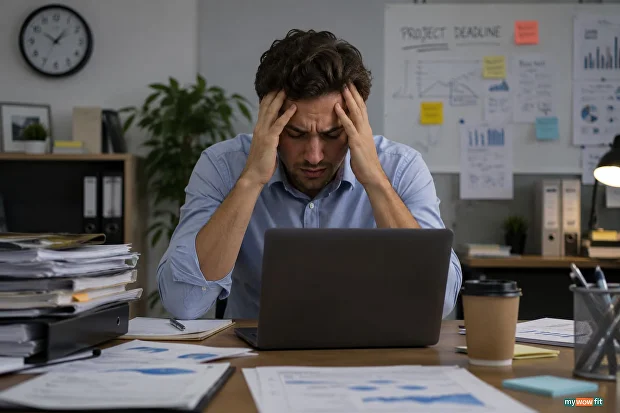
We know you're a hard worker. Like many professional people, you have a tendency to overwork or ignore stressors to achieve the best results at work. Your persistence is indeed admirable, but you shouldn't neglect yourself. At first, the signs are easy to ignore. Maybe you’re sleeping a little less, finding it harder to concentrate or feeling more irritable than usual. You promise yourself that things will calm down after your next vacation or once work gets less busy.
Unfortunately, stress rarely disappears on its own.
When stress continues for weeks or months, it starts affecting much more than your mood. It can leave you feeling physically exhausted, mentally drained, and less able to enjoy the things you normally love. The encouraging news is that managing stress doesn’t require completely changing your lifestyle. Small, consistent habits often have a much bigger impact than occasional breaks or quick fixes. In this guide, you’ll learn practical stress management techniques that fit into everyday life.
Unfortunately, stress rarely disappears on its own.
When stress continues for weeks or months, it starts affecting much more than your mood. It can leave you feeling physically exhausted, mentally drained, and less able to enjoy the things you normally love. The encouraging news is that managing stress doesn’t require completely changing your lifestyle. Small, consistent habits often have a much bigger impact than occasional breaks or quick fixes. In this guide, you’ll learn practical stress management techniques that fit into everyday life.
Why do I often feel stressed at work?
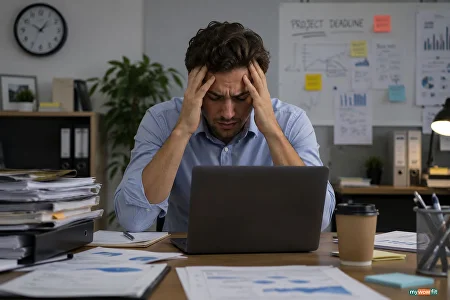
Stress is your body’s natural response to challenges. In short bursts, it can actually be helpful. It keeps you alert before an important presentation, helps you react quickly in difficult situations and gives you the energy to solve problems. Problems begin when your body stays in this “high alert” state for too long.
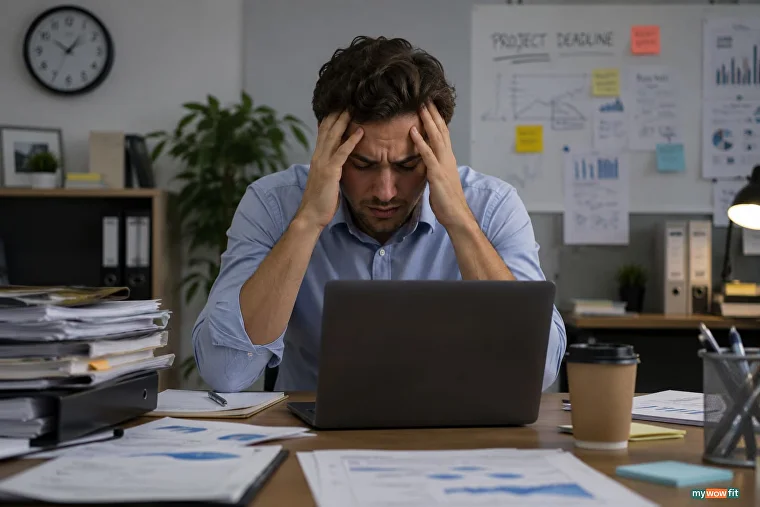
Modern life exposes us to constant pressure. Emails arrive outside the working hours, phones never stop buzzing and many people struggle to separate work from personal life. Add family responsibilities, financial concerns or health issues, and it becomes difficult to truly switch off. Some of the most common causes of ongoing stress include heavy workloads, unrealistic deadlines, relationship difficulties, money worries, major life changes and a lack of time to recover between responsibilities. These and many other factors can cause occupational stress. Occupational stress is a tense state due to extreme situations and negative emotions at work. Evaluate all of these situations and determine how they affect your life and how you can improve the situation. This is just what we will need in the first step for long-term stress management
Everyone experiences stress differently. Something that feels manageable for one person may feel overwhelming to someone else. That’s why stress management starts with understanding your own triggers rather than comparing yourself to others.
Modern life exposes us to constant pressure. Emails arrive outside the working hours, phones never stop buzzing and many people struggle to separate work from personal life. Add family responsibilities, financial concerns or health issues, and it becomes difficult to truly switch off. Some of the most common causes of ongoing stress include heavy workloads, unrealistic deadlines, relationship difficulties, money worries, major life changes and a lack of time to recover between responsibilities. These and many other factors can cause occupational stress. Occupational stress is a tense state due to extreme situations and negative emotions at work. Evaluate all of these situations and determine how they affect your life and how you can improve the situation. This is just what we will need in the first step for long-term stress management
Everyone experiences stress differently. Something that feels manageable for one person may feel overwhelming to someone else. That’s why stress management starts with understanding your own triggers rather than comparing yourself to others.
Understanding the Stress Cycle
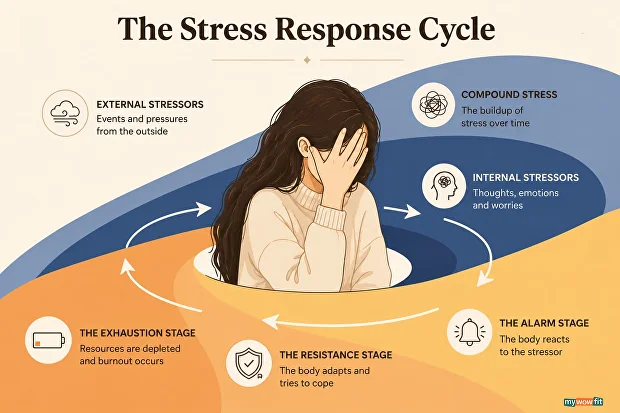
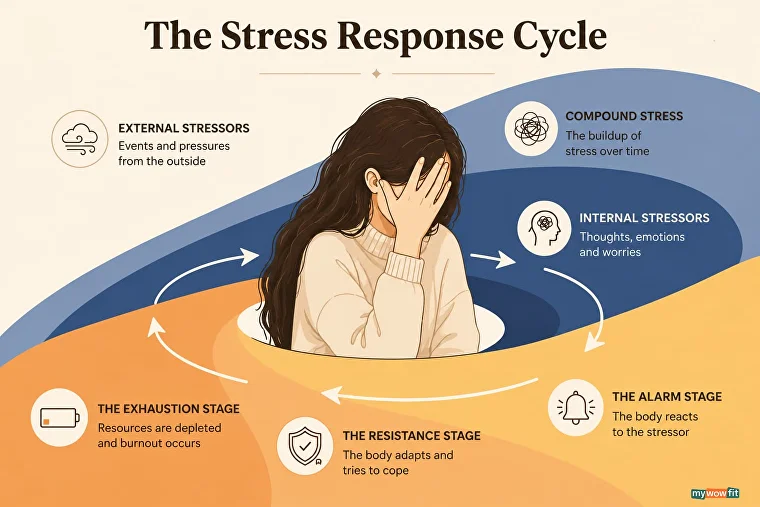
Many people think stress disappears once a stressful situation ends. Unfortunately, that’s not always how the body works. Even after a difficult meeting, argument or a busy day, your nervous system may still be in “fight or flight” mode. This is known as the stress cycle. When you experience stress, your brain signals your body to release hormones like adrenaline and cortisol. These hormones are useful in emergencies because they prepare you to react quickly. Your heart rate rises, breathing speeds up, and muscles tense, ready for action.
The problem is that modern stress differs from the short-term dangers humans evolved to handle. Instead of escaping a threat and recovering, many of us move from one stressor to the next. We finish a meeting, rush to responsibilities and scroll before bed. Our minds rarely get the signal that it’s safe to relax. Learning to complete the stress cycle is key to managing long-term stress. This doesn’t mean solving every problem immediately. It means giving your body chances to return to a calmer state.
Simple activities can help your nervous system recover. Walking, listening to music, spending time outdoors or practicing slow breathing all signal that the stressful event has passed. Even a few quiet minutes away from your desk can make a difference. Recovery is as important as productivity. Instead of waiting until you’re exhausted, build small recovery moments into your day. These breaks may seem minor, but they prevent stress from building up and help you stay focused, calm and resilient.
The problem is that modern stress differs from the short-term dangers humans evolved to handle. Instead of escaping a threat and recovering, many of us move from one stressor to the next. We finish a meeting, rush to responsibilities and scroll before bed. Our minds rarely get the signal that it’s safe to relax. Learning to complete the stress cycle is key to managing long-term stress. This doesn’t mean solving every problem immediately. It means giving your body chances to return to a calmer state.
Simple activities can help your nervous system recover. Walking, listening to music, spending time outdoors or practicing slow breathing all signal that the stressful event has passed. Even a few quiet minutes away from your desk can make a difference. Recovery is as important as productivity. Instead of waiting until you’re exhausted, build small recovery moments into your day. These breaks may seem minor, but they prevent stress from building up and help you stay focused, calm and resilient.
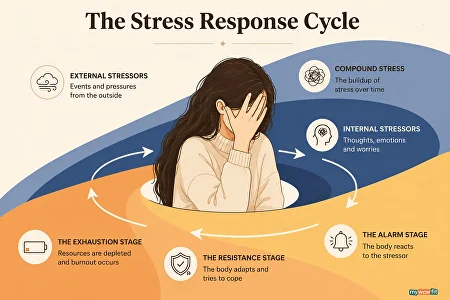
Acute Stress vs. Chronic Stress
Stress is your body’s natural response to challenges. In short bursts, it can actually be helpful. It keeps you alert before an important presentation, helps you react quickly in difficult situations and gives you the energy to solve problems. Problems begin when your body stays in this “high alert” state for too long.
Modern life exposes us to constant pressure. Emails arrive outside the working hours, phones never stop buzzing and many people struggle to separate work from personal life. Add family responsibilities, financial concerns or health issues, and it becomes difficult to truly switch off. Some of the most common causes of ongoing stress include heavy workloads, unrealistic deadlines, relationship difficulties, money worries, major life changes and a lack of time to recover between responsibilities. These and many other factors can cause occupational stress. Occupational stress is a tense state due to extreme situations and negative emotions at work. Evaluate all of these situations and determine how they affect your life and how you can improve the situation. This is just what we will need in the first step for long-term stress management
Everyone experiences stress differently. Something that feels manageable for one person may feel overwhelming to someone else. That’s why stress management starts with understanding your own triggers rather than comparing yourself to others.
Modern life exposes us to constant pressure. Emails arrive outside the working hours, phones never stop buzzing and many people struggle to separate work from personal life. Add family responsibilities, financial concerns or health issues, and it becomes difficult to truly switch off. Some of the most common causes of ongoing stress include heavy workloads, unrealistic deadlines, relationship difficulties, money worries, major life changes and a lack of time to recover between responsibilities. These and many other factors can cause occupational stress. Occupational stress is a tense state due to extreme situations and negative emotions at work. Evaluate all of these situations and determine how they affect your life and how you can improve the situation. This is just what we will need in the first step for long-term stress management
Everyone experiences stress differently. Something that feels manageable for one person may feel overwhelming to someone else. That’s why stress management starts with understanding your own triggers rather than comparing yourself to others.
Identify your stress
Many people try relaxation techniques before understanding what is actually making them feel stressed. Instead, spend a few minutes reflecting on your daily life. Ask yourself which situations leave you feeling overwhelmed. Which problems can you control? Which ones are outside your control? Are you trying to do everything yourself? Are you setting unrealistic expectations?
Writing your thoughts down often helps. Problems usually feel much bigger when they stay inside your head. Seeing them on paper allows you to organize your priorities and focus on solutions instead of worrying about everything at once. You may also notice patterns. Perhaps checking work emails late at night prevents you from relaxing or maybe saying yes to every request leaves you with no time for yourself. Small changes to these habits can reduce stress more than you might expect.
Writing your thoughts down often helps. Problems usually feel much bigger when they stay inside your head. Seeing them on paper allows you to organize your priorities and focus on solutions instead of worrying about everything at once. You may also notice patterns. Perhaps checking work emails late at night prevents you from relaxing or maybe saying yes to every request leaves you with no time for yourself. Small changes to these habits can reduce stress more than you might expect.
1-on-1 Workouts & Custom Fitness Plans with Online Personal Trainer
★★★★★ 4.8 out of 5 across 600+ reviews
Reaction changing
While we can’t control every situation, we often have more control over our response than we realize. Negative thought patterns can make difficult situations feel even worse. One mistake at work can quickly turn into thoughts like, “I’m failing,” or “I’ll never catch up.” Learning to challenge these thoughts can help reduce unnecessary anxiety.
Instead of expecting yourself to stay positive all the time, aim for a more balanced perspective. Focus on what you can do today instead of worrying about everything that could happen tomorrow. It also helps to spend time with supportive people, limit negative news and social media when you feel overwhelmed, and celebrate small successes instead of only focusing on what’s left to do.
A simple gratitude habit can also improve your outlook. Before bed, think of three things that went well during the day. They don’t have to be major achievements. Even enjoying a good meal, finishing a task or taking a relaxing walk counts. Over time, this trains your brain to notice positive experiences instead of constantly searching for problems.
Instead of expecting yourself to stay positive all the time, aim for a more balanced perspective. Focus on what you can do today instead of worrying about everything that could happen tomorrow. It also helps to spend time with supportive people, limit negative news and social media when you feel overwhelmed, and celebrate small successes instead of only focusing on what’s left to do.
A simple gratitude habit can also improve your outlook. Before bed, think of three things that went well during the day. They don’t have to be major achievements. Even enjoying a good meal, finishing a task or taking a relaxing walk counts. Over time, this trains your brain to notice positive experiences instead of constantly searching for problems.
Add self-care
We often don't have the resources. During the day, we devote energy to work tasks, remember our responsibilities, and then come home afterward, fulfilling our promise to walk the dog and make dinner. Who remembers that you actually planned to read today? Of course, there is no energy not only for ourselves, there is no energy for anything. When life becomes busy, self-care is often the first thing we remove from our schedule. Unfortunately, that’s usually when we need it most. So what to do?
The answer is simple, and many coaches say it.
You first, then everything else. Get up at least half an hour earlier and dedicate time to yourself.
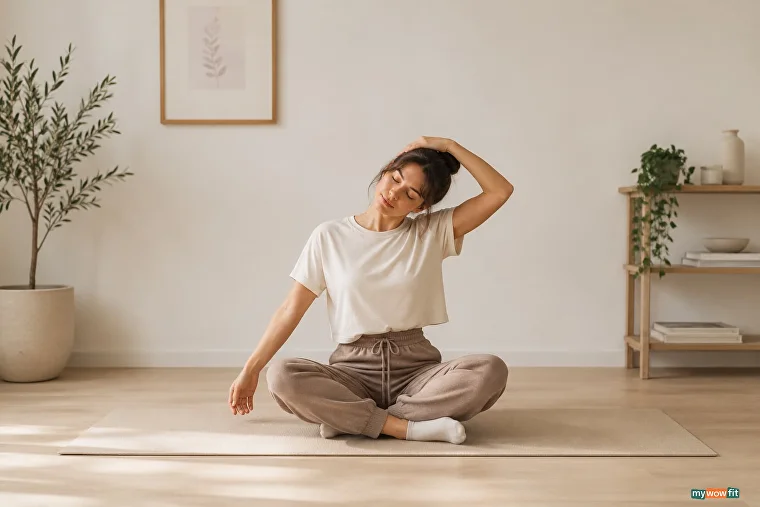
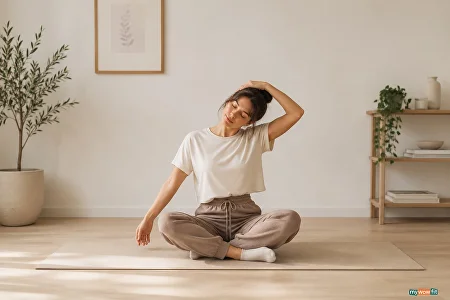
Self-care doesn’t have to be expensive or time-consuming. It’s about giving your body and mind the chance to recover. Getting enough sleep, eating regular nutritious meals, staying hydrated and making time for activities you enjoy all help improve your ability to cope with stress. Physical activity is one of the most effective ways to reduce stress naturally. Exercise improves sleep and helps lower levels of stress hormones. You don’t have to spend hours at the gym to notice the benefits. A daily walk, a yoga session, gentle stretching or a short strength workout can all improve your mood and energy.
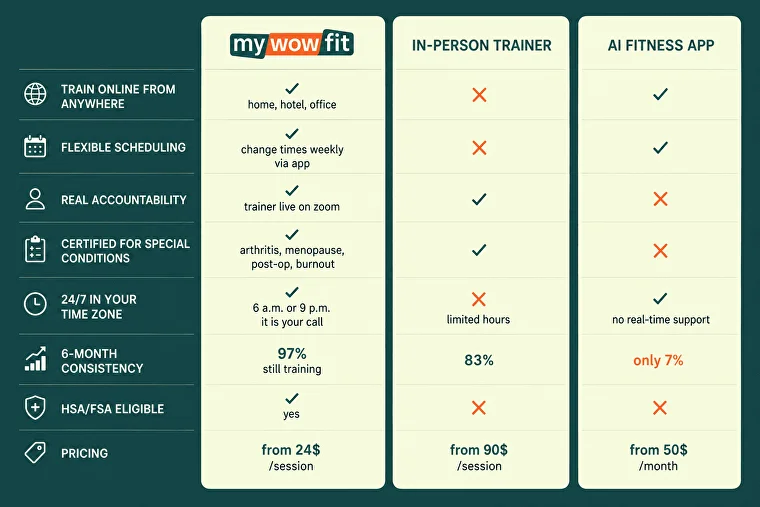
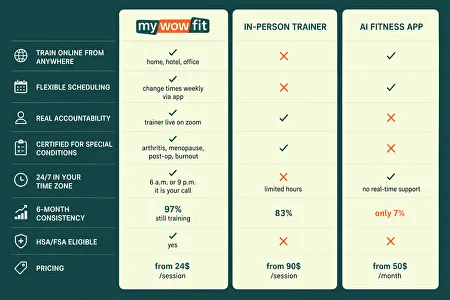
If you find it difficult to stay consistent, working with a trainer can provide the structure and motivation you need. Mywowfit offers online personal workouts with top-tier fitness and yoga professionals. It takes the stress away of planning and figuring out which workout to do.
The answer is simple, and many coaches say it.
You first, then everything else. Get up at least half an hour earlier and dedicate time to yourself.
Self-care doesn’t have to be expensive or time-consuming. It’s about giving your body and mind the chance to recover. Getting enough sleep, eating regular nutritious meals, staying hydrated and making time for activities you enjoy all help improve your ability to cope with stress. Physical activity is one of the most effective ways to reduce stress naturally. Exercise improves sleep and helps lower levels of stress hormones. You don’t have to spend hours at the gym to notice the benefits. A daily walk, a yoga session, gentle stretching or a short strength workout can all improve your mood and energy.
If you find it difficult to stay consistent, working with a trainer can provide the structure and motivation you need. Mywowfit offers online personal workouts with top-tier fitness and yoga professionals. It takes the stress away of planning and figuring out which workout to do.

Lina, Pilates Instructor
Lina is a highly experienced physical therapist and Pilates instructor who helps people regain their mobility and feel better in their bodies. She uses a gentle and personalized approach that focuses on your whole well-being. By combining movement with mindful breathing techniques, she aims to address tension in your body and relieve stress.
Simple Techniques for Immediate Stress Relief
While healthy habits reduce stress over time, there will always be moments when you need quick relief. Having a few simple techniques ready can help you stay calm during busy or emotional situations.
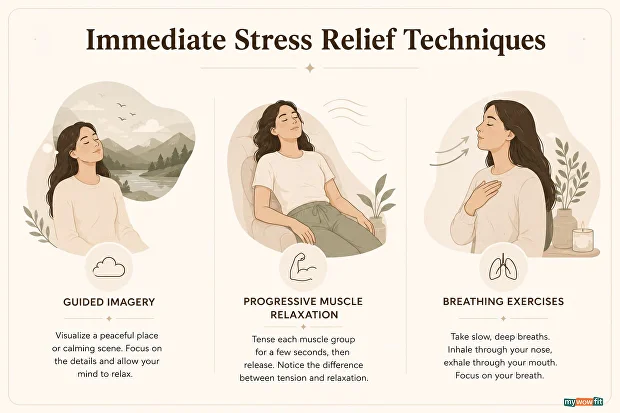
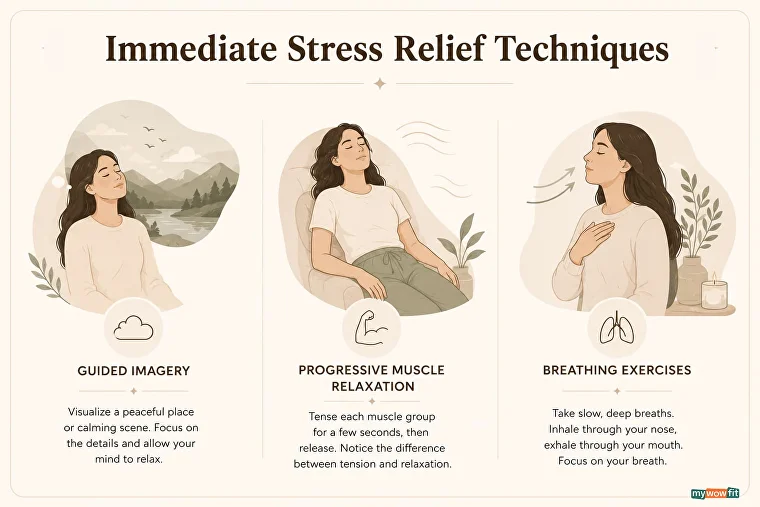
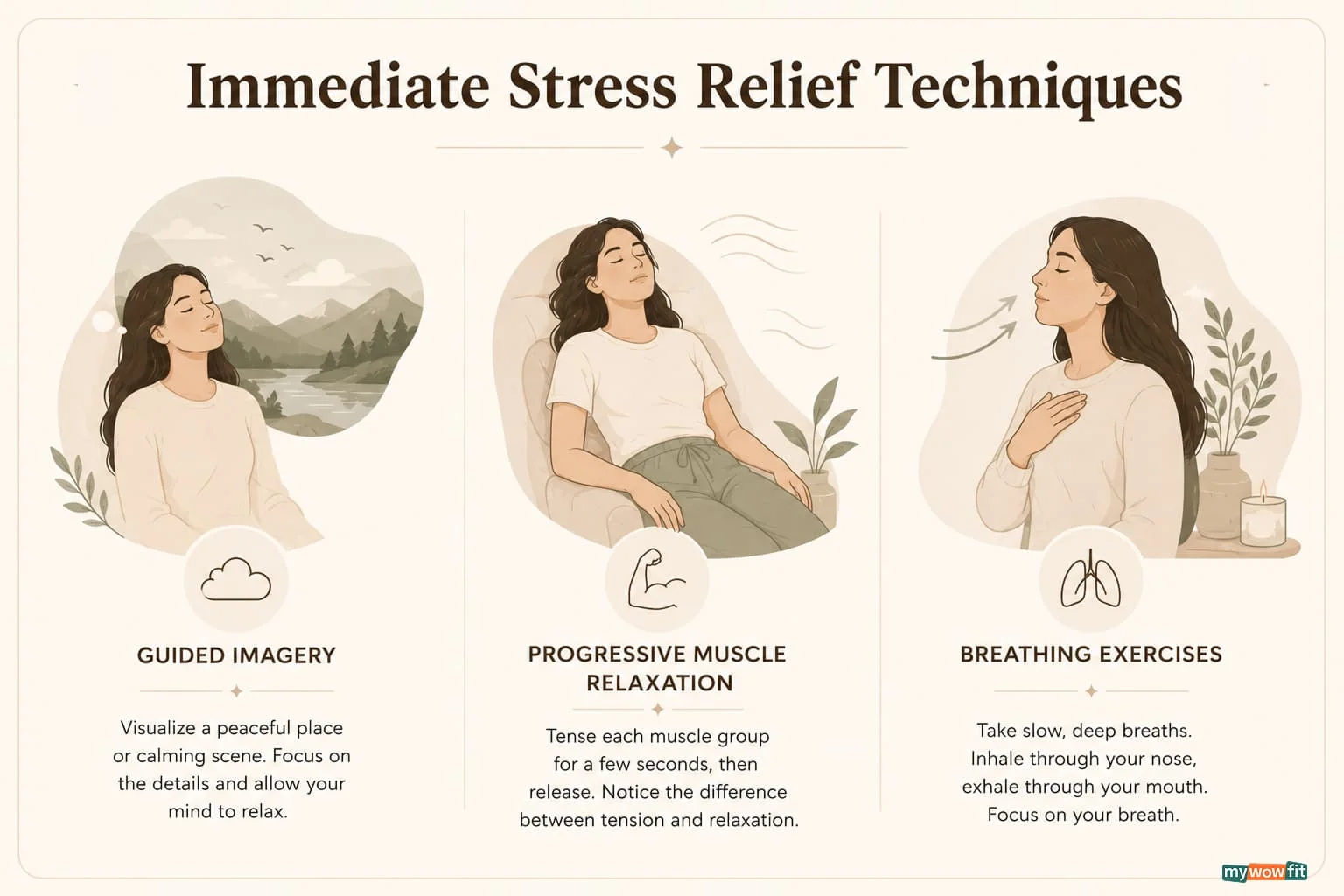
One effective method is guided imagery. Close your eyes for a minute and imagine yourself somewhere peaceful. Picture every detail, like the sounds, smells, temperature and scenery. Whether it’s a quiet beach or a walk through a forest, focusing on calming images helps shift your attention away from stressful thoughts.
Another helpful technique is progressive muscle relaxation. Stress often causes us to tighten our muscles without realizing it. Starting at your forehead and working down to your feet, gently tense each muscle group for a few seconds before relaxing it completely. This helps release physical tension while encouraging your body to relax.
Breathing exercises are another powerful tool because they work almost immediately. When you’re stressed, your breathing becomes quick and shallow. Slowing it down sends a signal to your brain that you’re safe. Try this simple exercise, you breathe in slowly through your nose for a count of three, pause briefly, then breathe out through your nose for another count of three. Repeat for one or two minutes while focusing only on your breathing. Even this small pause can help reduce anxiety and improve your focus.
One effective method is guided imagery. Close your eyes for a minute and imagine yourself somewhere peaceful. Picture every detail, like the sounds, smells, temperature and scenery. Whether it’s a quiet beach or a walk through a forest, focusing on calming images helps shift your attention away from stressful thoughts.
Another helpful technique is progressive muscle relaxation. Stress often causes us to tighten our muscles without realizing it. Starting at your forehead and working down to your feet, gently tense each muscle group for a few seconds before relaxing it completely. This helps release physical tension while encouraging your body to relax.
Breathing exercises are another powerful tool because they work almost immediately. When you’re stressed, your breathing becomes quick and shallow. Slowing it down sends a signal to your brain that you’re safe. Try this simple exercise, you breathe in slowly through your nose for a count of three, pause briefly, then breathe out through your nose for another count of three. Repeat for one or two minutes while focusing only on your breathing. Even this small pause can help reduce anxiety and improve your focus.
Build Habits That Prevent Stress
Stress management isn’t about waiting until you’re overwhelmed. The most effective approach is building small habits that make you more resilient over time. Taking regular breaks during work, setting realistic boundaries, limiting screen time before bed and making space for hobbies all help prevent stress from building up. You don’t have to change everything at once. Choosing one healthy habit and sticking with it consistently is often more effective than trying to transform your entire lifestyle overnight.
Remember that stressful periods are a normal part of life. The goal isn’t to avoid stress completely, but to recover from it more quickly and protect your long-term health.
Remember that stressful periods are a normal part of life. The goal isn’t to avoid stress completely, but to recover from it more quickly and protect your long-term health.
Exercise: One of the Most Effective Ways to Reduce Stress
Exercise is often recommended for physical health, but it’s just as valuable for mental wellbeing. Regular movement is one of the most effective natural ways to manage stress because it supports both mind and body. When you exercise, your body releases endorphins, often called “feel-good” hormones. These chemicals improve mood, reduce anxiety and increase overall wellbeing. At the same time, regular activity helps regulate cortisol, the body’s primary stress hormone. Over time, this can help you feel calmer and better able to handle daily challenges.
Exercise also offers a mental break. During a workout, your focus shifts away from deadlines, worries and constant notifications. Even thirty minutes of movement can leave you feeling refreshed and more focused. You don’t need intense workouts to feel the benefits. Gentle activities are often enough. Walking, yoga, pilates, cycling, swimming or light strength training can all reduce stress while improving fitness. The key is choosing something you enjoy. If exercise feels like another task, you’re less likely to stick with it. Consistency matters more than intensity. A 20-minute walk most days is more beneficial than one exhausting workout followed by inactivity. Regular movement helps your body recover, improves sleep, boosts energy and builds resilience against stress.
If you’re unsure where to start, professional guidance can help. At Mywowfit, certified trainers create personalized online workout plans based on your fitness level, goals and lifestyle. Whether you prefer yoga, pilates, strength training or low-impact exercise, your trainer can help you build a routine that supports both physical health and mental wellbeing. By making movement part of your week, you’ll not only get stronger but you’ll also develop habits that help you manage stress long term.
Exercise also offers a mental break. During a workout, your focus shifts away from deadlines, worries and constant notifications. Even thirty minutes of movement can leave you feeling refreshed and more focused. You don’t need intense workouts to feel the benefits. Gentle activities are often enough. Walking, yoga, pilates, cycling, swimming or light strength training can all reduce stress while improving fitness. The key is choosing something you enjoy. If exercise feels like another task, you’re less likely to stick with it. Consistency matters more than intensity. A 20-minute walk most days is more beneficial than one exhausting workout followed by inactivity. Regular movement helps your body recover, improves sleep, boosts energy and builds resilience against stress.
If you’re unsure where to start, professional guidance can help. At Mywowfit, certified trainers create personalized online workout plans based on your fitness level, goals and lifestyle. Whether you prefer yoga, pilates, strength training or low-impact exercise, your trainer can help you build a routine that supports both physical health and mental wellbeing. By making movement part of your week, you’ll not only get stronger but you’ll also develop habits that help you manage stress long term.
When to Ask for Help
Sometimes stress becomes too much to manage alone. If you’re feeling constantly anxious, struggling to sleep or finding that stress is affecting your relationships or work, it’s important to speak with a healthcare professional.
There’s nothing wrong with asking for support. Whether it’s talking to a doctor, therapist or trusted friend, reaching out early can make a significant difference.
There’s nothing wrong with asking for support. Whether it’s talking to a doctor, therapist or trusted friend, reaching out early can make a significant difference.
Final thoughts
Stress may be part of modern life, but it doesn’t have to control your wellbeing. By understanding your personal triggers, making self-care a priority and practicing simple techniques mentioned above, you can reduce daily stress and become more resilient over time. Don’t feel like you need to do everything at once. Start with one small change, practice it consistently and build from there. Over time, these simple habits can improve your mood, boost your energy and help you handle life’s challenges with greater confidence and calm.
Our qualified team will help you find a way to minimize stress in your life. Mywowfit's goal is to make fitness convenient, so you don't need to stress, we take care of everything. Mywowfit offers personal workouts with a qualified team of the best specialists for different goals you may have. Our online sessions provide flexibility, allowing you to seamlessly make it a part of a daily schedule!
Check out our trainers and book your trial now!
Our qualified team will help you find a way to minimize stress in your life. Mywowfit's goal is to make fitness convenient, so you don't need to stress, we take care of everything. Mywowfit offers personal workouts with a qualified team of the best specialists for different goals you may have. Our online sessions provide flexibility, allowing you to seamlessly make it a part of a daily schedule!
Check out our trainers and book your trial now!
faq
What are the best techniques to reduce stress quickly?
Some of the fastest ways to reduce stress include deep breathing exercises, guided imagery, progressive muscle relaxation, and taking a short walk. These techniques help calm your nervous system and can make you feel more relaxed within minutes.
What causes chronic stress?
Chronic stress is usually caused by ongoing situations such as heavy workloads, financial worries, relationship problems, caregiving responsibilities, or long-term health concerns. Unlike short-term stress, it continues for weeks or months and can affect both physical and mental health.
Can exercise help reduce stress?
Yes. Regular exercise is one of the most effective natural stress relievers. Physical activity releases endorphins, improves sleep quality, reduces muscle tension, and helps lower stress hormone levels. Even 20–30 minutes of walking, yoga, or strength training can make a difference.
How can I manage stress at work?
Start by identifying your biggest workplace stressors, prioritizing your tasks, taking regular breaks, and setting realistic boundaries. Short breathing exercises during the day and regular physical activity outside of work can also improve your ability to handle work-related stress.
How do I know if my stress is becoming unhealthy?
If stress lasts for several weeks and begins affecting your sleep, mood, concentration, relationships, or physical health, it may be becoming chronic. Persistent headaches, fatigue, anxiety, and irritability are common warning signs. If symptoms continue, it’s a good idea to speak with a healthcare professional.
What is the easiest stress management habit to start today?
One of the simplest habits is practicing mindful breathing for just two or three minutes each day. Combining this with regular movement, good sleep, and a few minutes of relaxation can have a significant impact on your overall stress levels over time.
Some of the fastest ways to reduce stress include deep breathing exercises, guided imagery, progressive muscle relaxation, and taking a short walk. These techniques help calm your nervous system and can make you feel more relaxed within minutes.
What causes chronic stress?
Chronic stress is usually caused by ongoing situations such as heavy workloads, financial worries, relationship problems, caregiving responsibilities, or long-term health concerns. Unlike short-term stress, it continues for weeks or months and can affect both physical and mental health.
Can exercise help reduce stress?
Yes. Regular exercise is one of the most effective natural stress relievers. Physical activity releases endorphins, improves sleep quality, reduces muscle tension, and helps lower stress hormone levels. Even 20–30 minutes of walking, yoga, or strength training can make a difference.
How can I manage stress at work?
Start by identifying your biggest workplace stressors, prioritizing your tasks, taking regular breaks, and setting realistic boundaries. Short breathing exercises during the day and regular physical activity outside of work can also improve your ability to handle work-related stress.
How do I know if my stress is becoming unhealthy?
If stress lasts for several weeks and begins affecting your sleep, mood, concentration, relationships, or physical health, it may be becoming chronic. Persistent headaches, fatigue, anxiety, and irritability are common warning signs. If symptoms continue, it’s a good idea to speak with a healthcare professional.
What is the easiest stress management habit to start today?
One of the simplest habits is practicing mindful breathing for just two or three minutes each day. Combining this with regular movement, good sleep, and a few minutes of relaxation can have a significant impact on your overall stress levels over time.
Sources:
1-on-1 Workouts & Custom Fitness Plans with Online Personal Trainer
★★★★★ 4.8 out of 5 across 600+ reviews
Responses (2)
Mary
That's perfect, I don't have time for the gym, so I'll give online workouts a go
Lina
great article
You may also be interested
Meet some of our trainers

© 2021-2025 Together with Online Fitness Technologies Inc.
All rights reserved
All rights reserved


About
How it Works
Trainers
Pricing
Blog
FAQ
Gift Certificate
Referral Program
Work with Us
Affiliate Program
How it Works
Trainers
Pricing
Blog
FAQ
Gift Certificate
Referral Program
Work with Us
Affiliate Program
Useful Links
Privacy Policy
Terms of Service
Code of Conduct
Disclaimer of Medical Advice
Cancellation, Refund, Referral Policy
Terms of Service
Code of Conduct
Disclaimer of Medical Advice
Cancellation, Refund, Referral Policy
Documentation


Contact Us
Headquarters:
USA, 1111B S Governors Ave #6047 Dover, DE 19904, Online Fitness Technologies INC
USA, 1111B S Governors Ave #6047 Dover, DE 19904, Online Fitness Technologies INC
Locations
Headquarters:
EU and UK: MYWOWFIT OU, Estonia, Harju maakond, Tallinn, Kesklinna linnaosa, Tornimäe tn 3 // 5 // 7, 10145
EU and UK: MYWOWFIT OU, Estonia, Harju maakond, Tallinn, Kesklinna linnaosa, Tornimäe tn 3 // 5 // 7, 10145





5.0
4.9
Share via