
Top 10 Yoga Exercises to Relieve Back Pain at Home

For this article, we drew on insights shared by Mywowfit trainer Swati during a discussion about common causes of back pain and the exercises she frequently recommends to clients. The goal is to create healthy movement habits that help your spine move better, strengthen supporting muscles and reduce tension throughout the body. Whether you’re dealing with occasional stiffness, spending long hours at a computer, or just want to improve your posture, these beginner-friendly yoga poses are what you are looking for!
Why Yoga Helps Back Pain and Posture
When back pain develops, it’s often not because one area is weak or tight. Instead, several muscles throughout the body may be contributing to the problem. [1] Tight hips, weak glutes and poor core engagement can all place additional stress on the lower back. Yoga addresses many of these issues simultaneously by combining gentle stretching with strength and stability work. Another benefit is that yoga encourages mindful movement. Instead of rushing through exercises, you learn to pay attention to how your body feels and moves. This awareness often carries into daily life, helping you sit, stand and move with better posture.

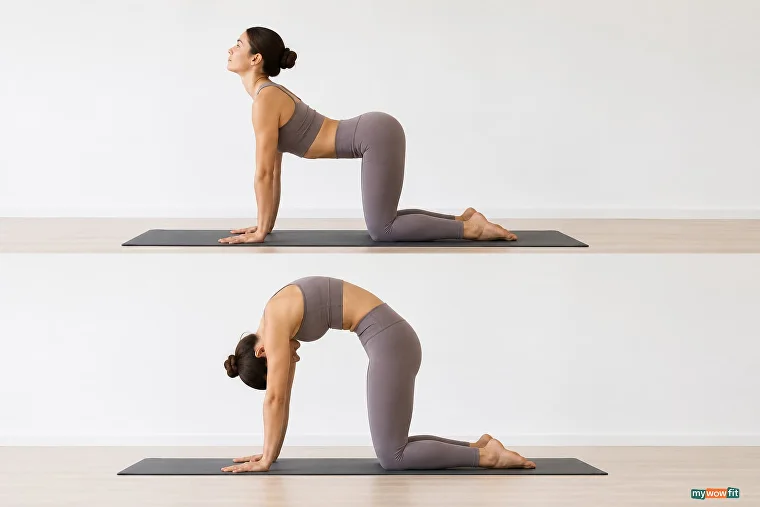
Cat-cow pose
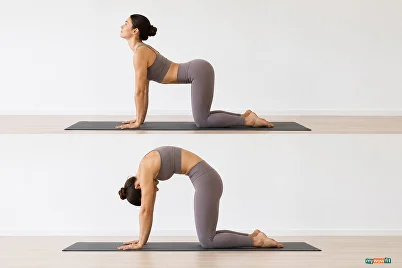
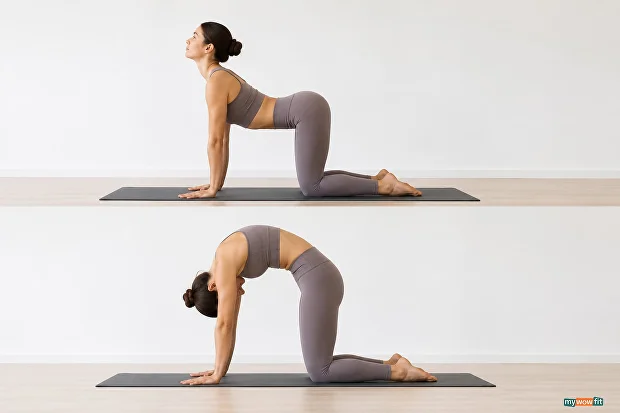
One of the best places to begin is with the Cat-Cow Pose. This gentle movement improves spinal mobility, warms up the back muscles and encourages deep breathing. It’s often recommended by physical therapists and yoga instructors because it introduces movement without placing excessive stress on the spine.
Start on your hands and knees with your wrists under your shoulders and knees under your hips. As you inhale, gently arch your back, lift your chest and look slightly upward. As you exhale, round your spine, tuck your chin toward your chest, and draw your belly inward. Continue moving slowly between these positions for five to ten repetitions. The goal isn’t to force a deep stretch. Instead, focus on smooth, controlled movement and matching each phase to your breath. Many people notice reduced stiffness after just a few rounds.
1-on-1 Workouts & Custom Fitness Plans with Online Personal Trainer
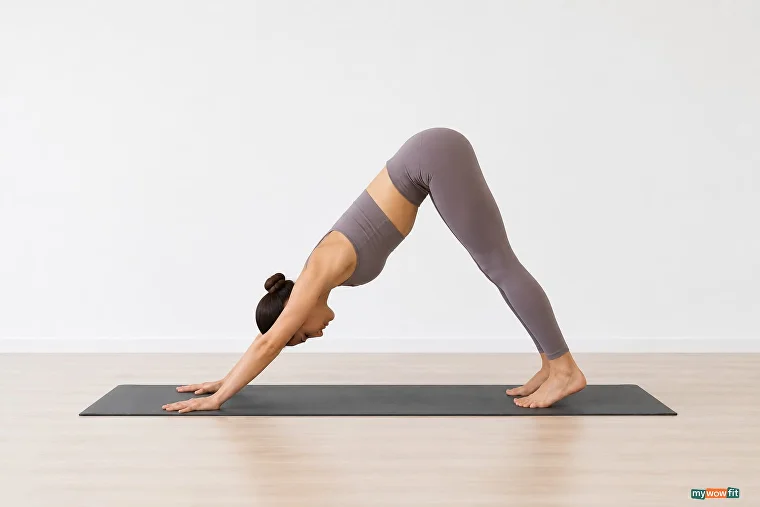
Downward-Facing Dog Pose
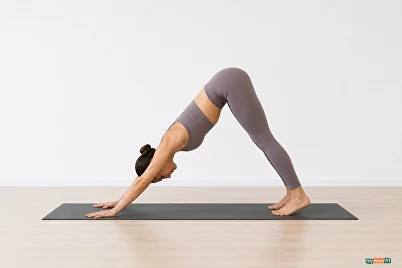
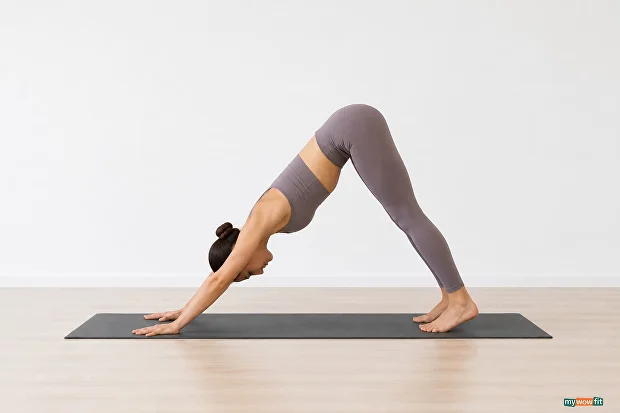
Downward-Facing Dog is one of the most recognizable yoga poses, and for good reason. It stretches the hamstrings, calves, shoulders, and back while simultaneously strengthening the upper body.
Begin in a tabletop position. Spread your fingers wide and press firmly through your palms. Lift your hips toward the ceiling and gradually straighten your legs as much as feels comfortable. Your body should form an upside-down V shape. Don’t worry if your heels don’t touch the floor. Many beginners keep a slight bend in the knees. Focus on lengthening your spine and creating space through your back. Hold the position for several breaths before slowly returning to the starting position.
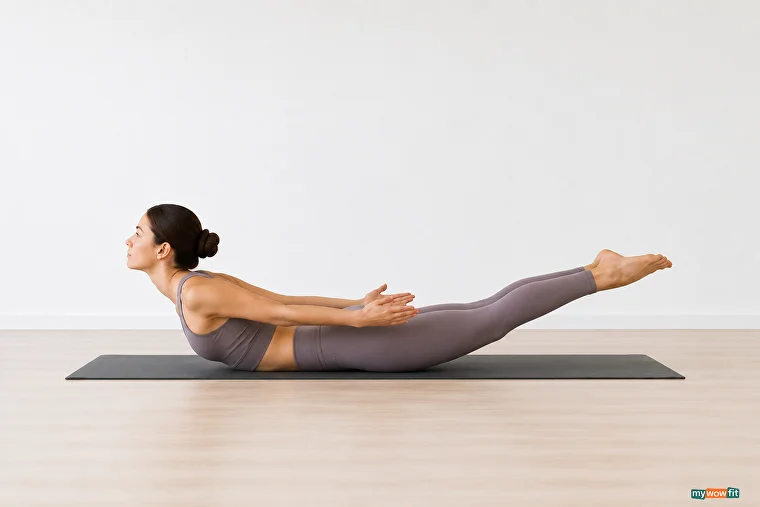
Locust pose
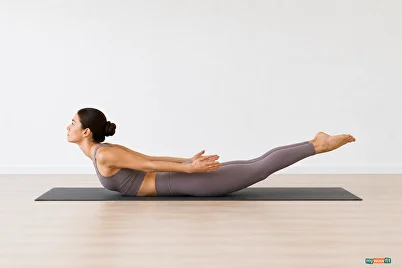
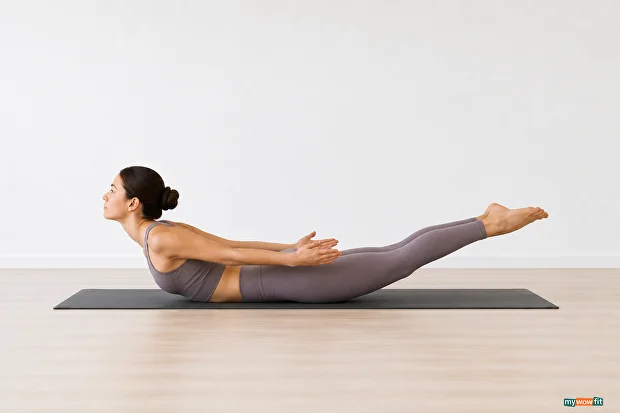
While stretching is important, strengthening the muscles that support your spine is equally essential. It also stimulates digestion and improves your metabolism. Locust Pose targets the muscles of the upper and lower back, glutes and shoulders, helping improve posture and stability.[2]
Lie face down with your arms alongside your body. As you inhale, gently lift your chest, head, and legs off the floor while keeping your neck relaxed. Draw your shoulder blades together and reach your arms toward your feet. Hold the position for a few seconds before lowering back down with control. This pose may feel challenging at first, but it helps counteract the rounded posture many people develop from prolonged sitting.
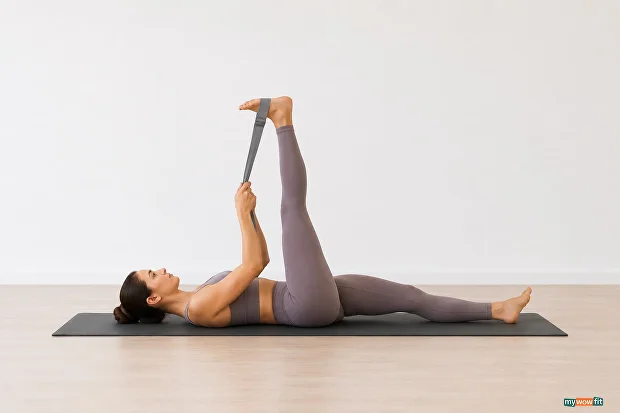
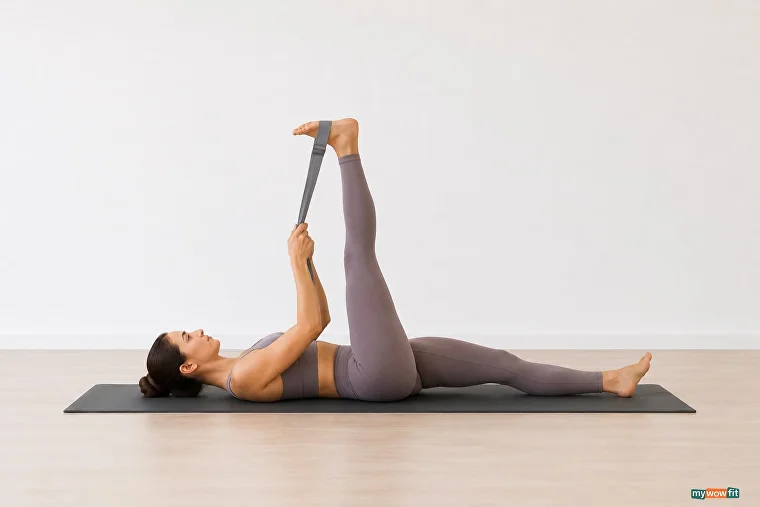
Reclining Hand to Big Toe Pose
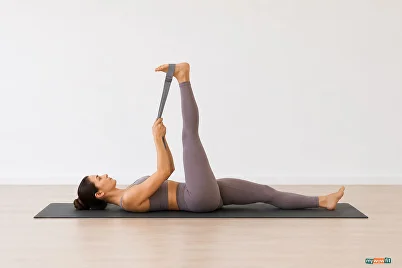
Tight hamstrings can contribute to lower back discomfort by limiting mobility and changing how the pelvis moves. This gentle stretch helps release tension in the backs of the legs while keeping the spine supported. Its gentle effect on the nervous system calms the mind and gives a sense of tranquili
Lie on your back and bring one knee toward your chest. Slowly extend the leg toward the ceiling. You can hold your big toe if comfortable, or use a yoga strap behind your foot. Keep both hips grounded and avoid forcing the stretch. Hold for several breaths before switching sides. The sensation should feel gentle rather than painful.
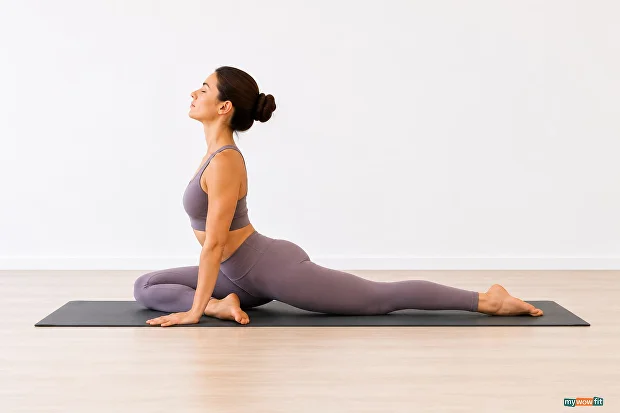
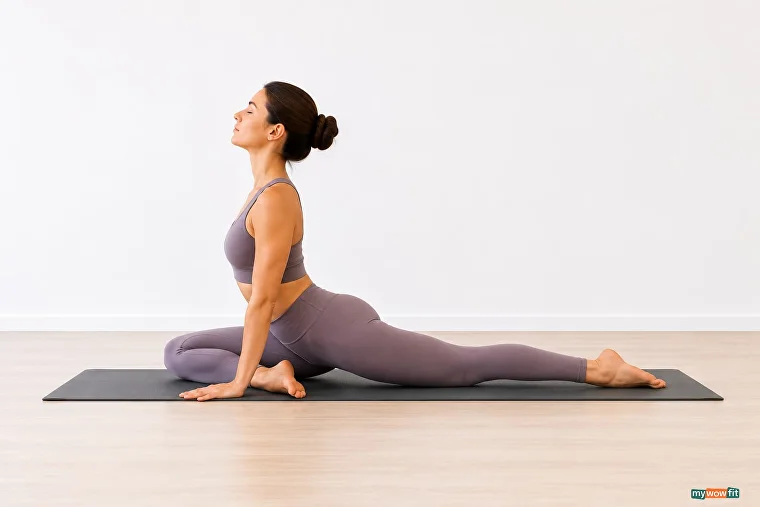
Pigeon Pose
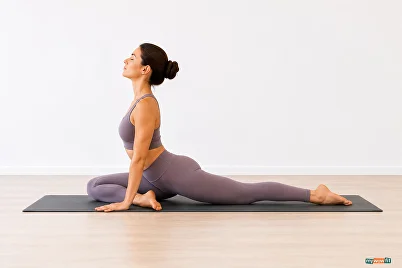
The hips and lower back are closely connected. When the hip muscles become tight, the lower back often compensates, leading to discomfort and stiffness. This. pose teaches balance and patience not only on the mat but also in life.
Pigeon Pose is one of the most effective stretches for opening the hips and releasing tension in the glutes. Start on all fours and bring one knee forward toward your wrist. Extend the opposite leg behind you and slowly lower your hips toward the floor. Only go as far as feels comfortable. Some people may prefer a modified version using cushions or yoga blocks for support. Breathe deeply and relax into the stretch for 30 to 60 seconds before switching sides.
1-on-1 Workouts & Custom Fitness Plans with Online Personal Trainer
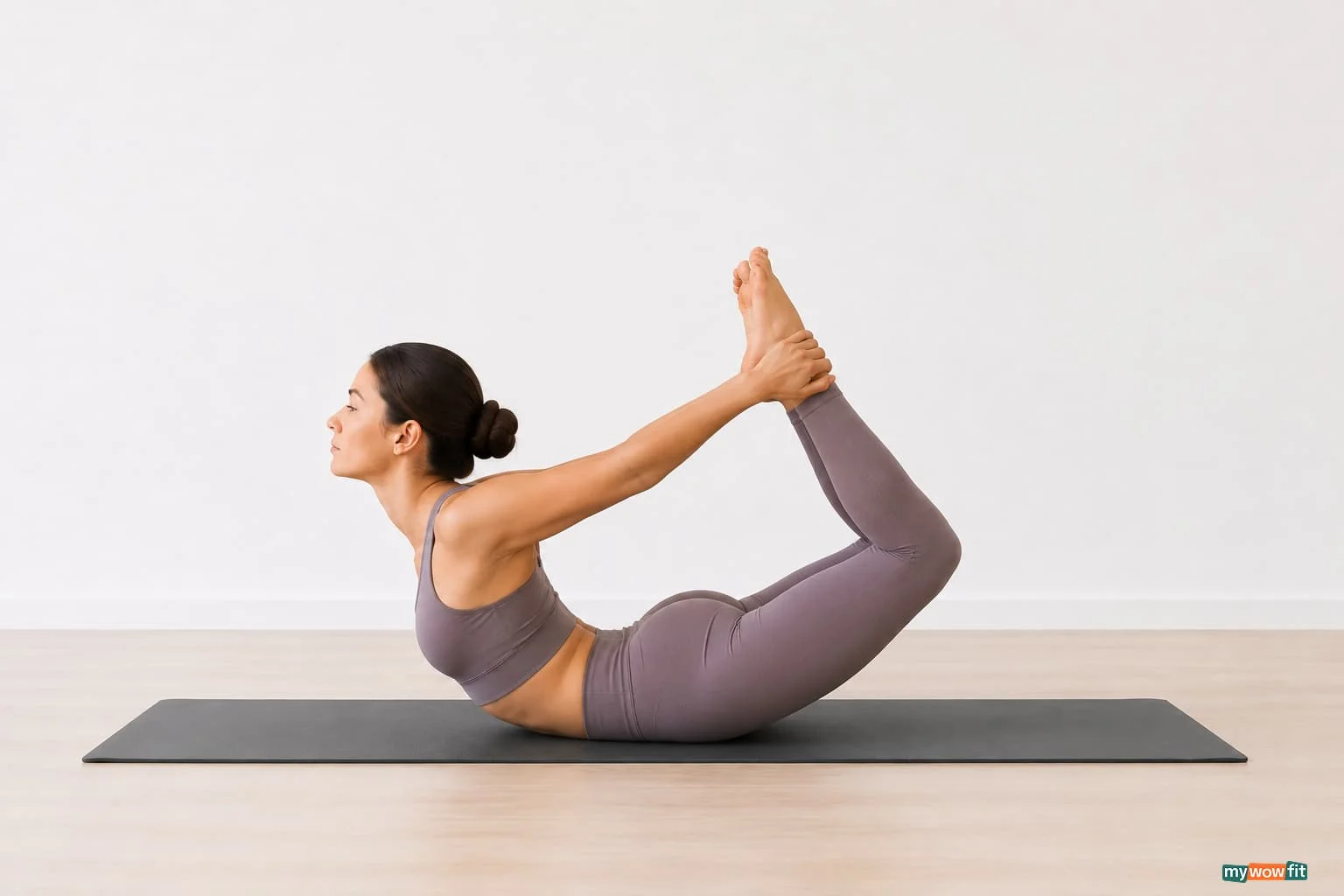
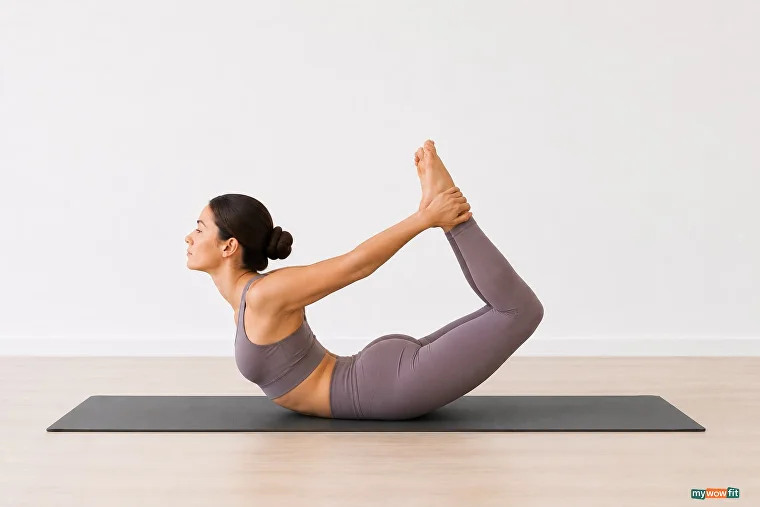
Bow Pose
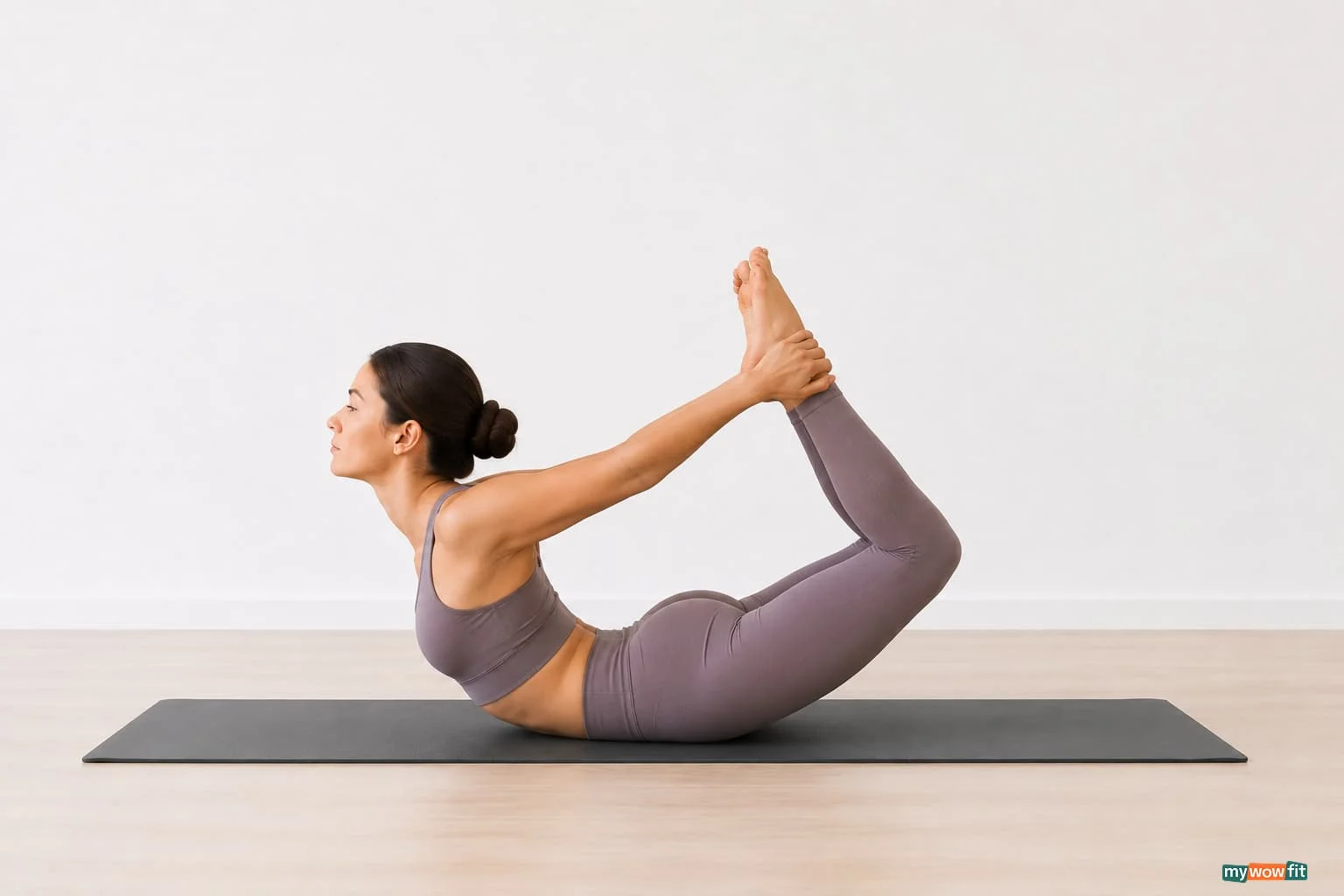
Bow Pose combines stretching and strengthening in a single movement. It opens the chest, stretches the front of the body, and strengthens the muscles of the back.
Lie on your stomach and bend your knees. Reach back to hold your ankles. As you inhale, gently lift your chest and thighs away from the floor while pressing your feet into your hands. Focus on length rather than height. Even a small lift can provide significant benefits for posture and spinal strength.
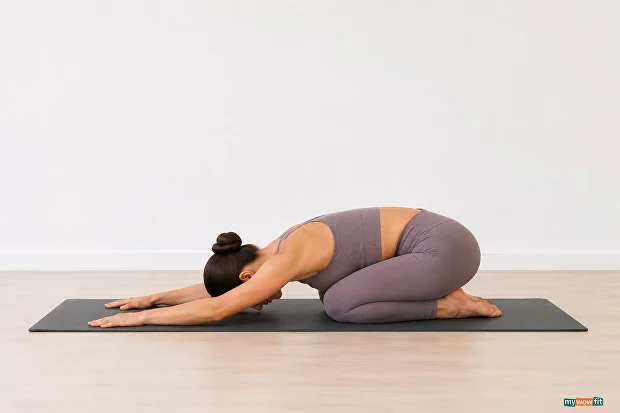
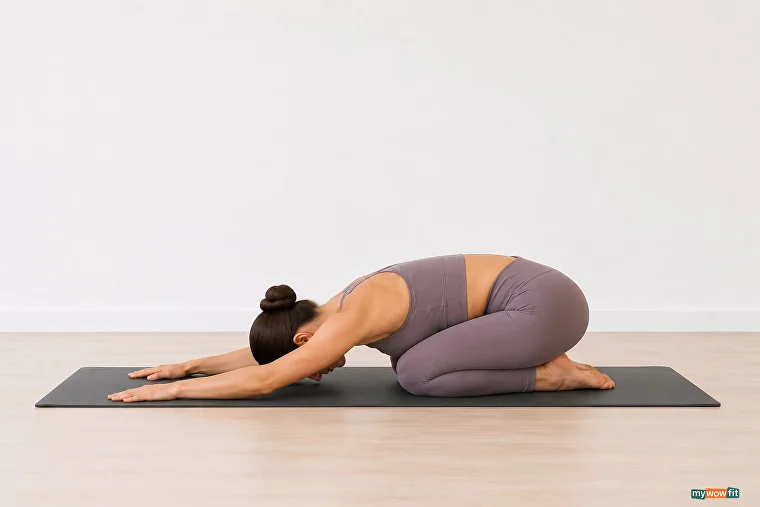
Child's Pose
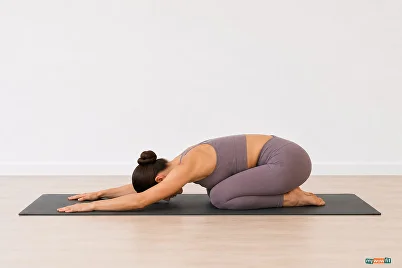
Sometimes the most effective exercise is also the simplest. Child’s Pose is a restorative position that gently stretches the lower back while encouraging relaxation and deeper breathing.
Sit back toward your heels and fold your torso forward, resting your forehead on the floor or a cushion. Allow your shoulders, neck and back to relax completely. This pose works particularly well between more active exercises or whenever your back feels tight after a long day.
Seated Spinal Twist
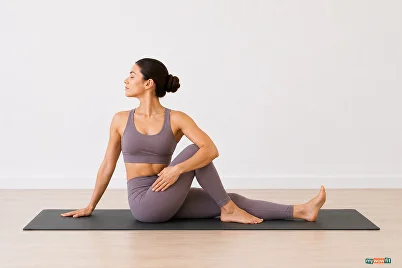
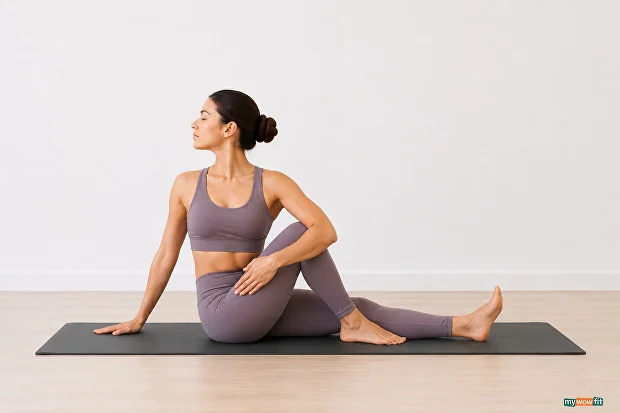
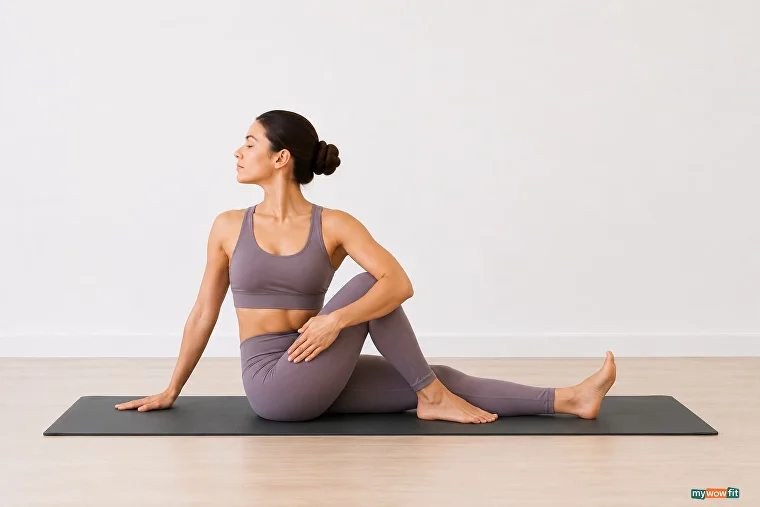
The Seated Spinal Twist is a simple pose that helps improve spinal mobility and relieve tension in the back and shoulders. It’s especially useful after long periods of sitting, as it encourages better posture and gentle movement through the spine. In addition, twists help relieve stress, improve mood and develop concentration. [2]
Sit comfortably with your legs crossed. Place your right hand behind you and your left hand on your right knee. Inhale to lengthen your spine, then exhale and gently twist to the right. Hold for 30–60 seconds while breathing deeply, then repeat on the other side.
Triangle Pose
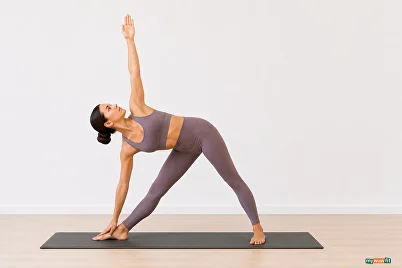
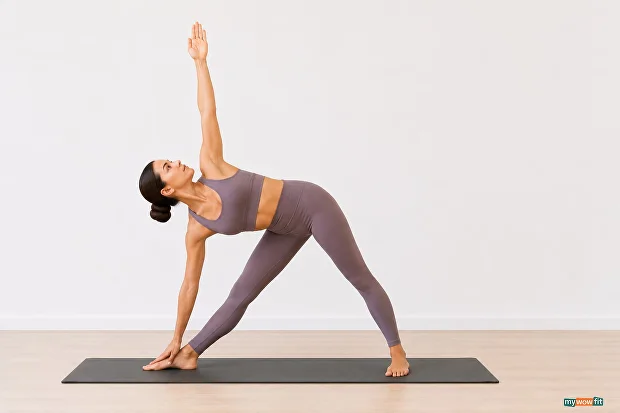
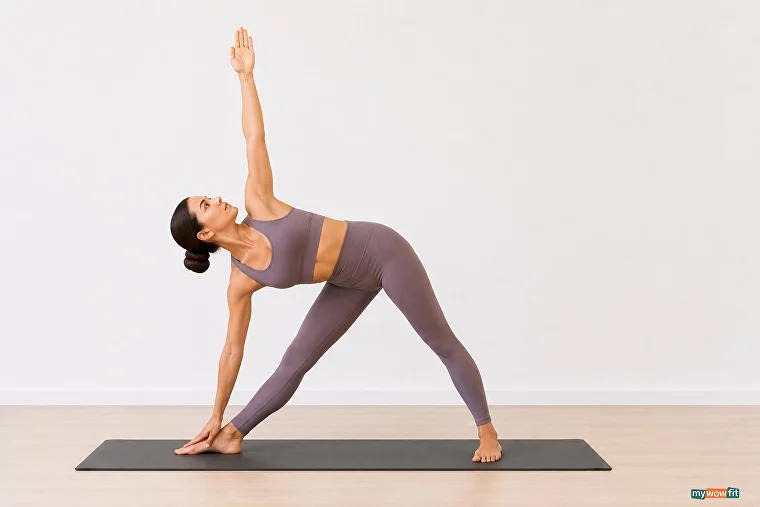
Triangle Pose strengthens the legs while stretching the hips, hamstrings and sides of the body. It also opens the chest and shoulders, helping improve posture and reduce stiffness. Practice with caution if you have injuries or high blood pressure.
Stand with your feet wide apart and extend your arms to the sides. Reach your right hand toward your right leg while lifting your left arm toward the ceiling. Hold for 30–60 seconds, then switch sides. Focus on lengthening your body rather than reaching as low as possible.
Cobra Pose
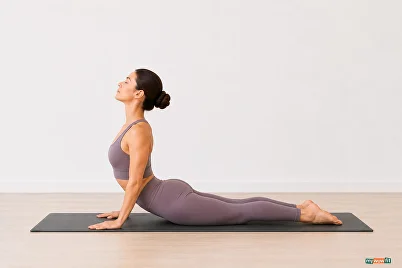
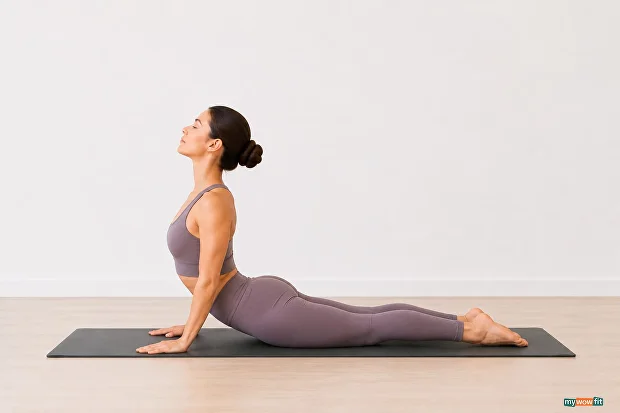
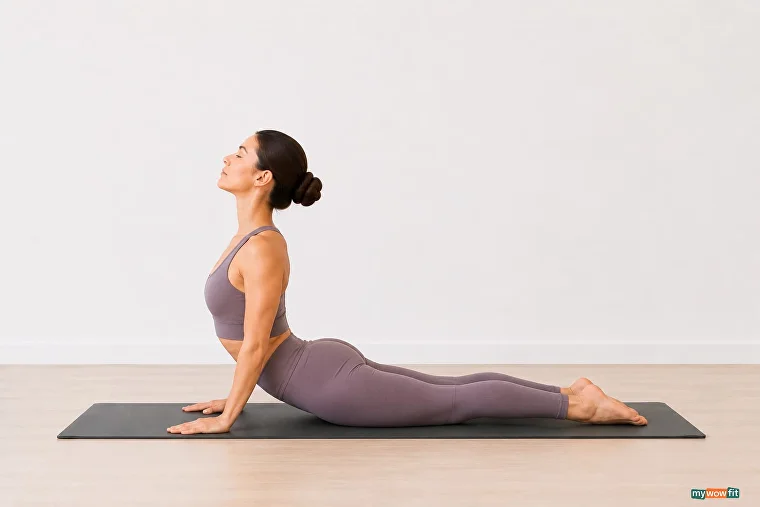
Cobra Pose is a gentle backbend that strengthens the muscles supporting the spine and helps counteract the effects of prolonged sitting. It can improve posture, flexibility and overall back strength. This pose can also give an energy and mood boost.
Lie on your stomach with your hands under your shoulders. As you inhale, slowly lift your head and chest while keeping your shoulders relaxed. Hold for 15–30 seconds, breathing steadily, then slowly lower back down.
Is yoga truly as beneficial as everyone claims?
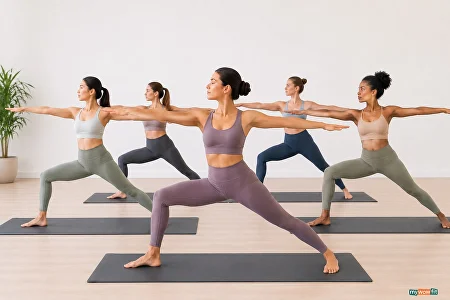
Perhaps the greatest advantage of yoga is its accessibility. You don’t need a gym, expensive equipment or hours of free time. A short routine performed consistently can make a meaningful difference in how your body feels each day. If you’re dealing with ongoing pain, it’s always a good idea to consult a healthcare professional before beginning a new exercise program. But for many people, incorporating a few simple yoga poses into their weekly routine can be an effective step toward a stronger and healthier back.
For personal training and support, consider yoga at home with Mywowfit, that offers guided stretching routines, customised plans, and a supportive community to help you reach your flexibility goals. Book your first trial yoga session!
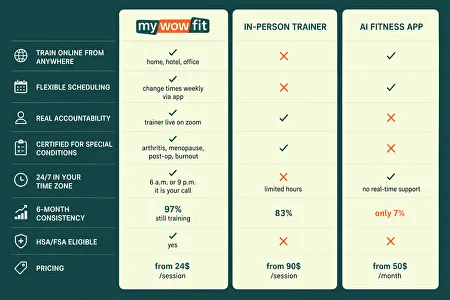
1-on-1 Workouts & Custom Fitness Plans with Online Personal Trainer
Responses (3)
You may also be interested
Meet some of our trainers

All rights reserved


How it Works
Trainers
Pricing
Blog
FAQ
Gift Certificate
Referral Program
Work with Us
Affiliate Program
Terms of Service
Code of Conduct
Disclaimer of Medical Advice
Cancellation, Refund, Referral Policy
Services


USA, 1111B S Governors Ave #6047 Dover, DE 19904, Online Fitness Technologies INC
EU and UK: MYWOWFIT OU, Estonia, Harju maakond, Tallinn, Kesklinna linnaosa, Tornimäe tn 3 // 5 // 7, 10145





Share via