
Complete Beginner’s Workout Guide: Expert-Approved Plans for 2025

Maybe you picture yourself moving confidently, but in reality you’re not even sure where to begin.
Whether you want to feel stronger, have more energy, lose weight, or just stop getting out of breath from everyday things, this guide will help you get started in a simple and realistic way.
No extreme promises or “10-day transformations.” Just a clear, sustainable way to build a routine that actually sticks.
table of contents
Understanding Workout Basics
Now, onto some basic fitness principles. They’re good guidelines to live by:
This matters more than intensity in the beginning. Doing manageable workouts several times a week is much more effective than doing one very hard session and then needing five days to recover. The goal is to create a pattern your body and schedule can handle.
Progressive overload
This sounds technical, but the idea is simple. To get stronger or fitter, your body needs a reason to adapt. That can mean adding a few reps, increasing resistance, improving your technique, or extending the length of a workout over time. Progress does not need to be dramatic to be effective.
Recovery
Rest is part of training, not a break from it. Muscles recover and adapt between workouts. If you are always sore, exhausted, or forcing yourself through discomfort, you are probably doing too much too soon.
Strength Training: Strength training helps you build muscle, improve posture, support your joints, and make daily movement easier. It includes exercises like squats, push-ups, rows, presses, lunges, and deadlifts. Strength work is useful whether your goal is muscle gain, weight loss, injury prevention, or simply feeling stronger in daily life [1]
Cardio: Cardio improves your heart and lung health, builds endurance, and helps you burn calories. Walking, cycling, jogging, swimming, dancing, and using cardio machines all fall into this category. Cardio also tends to improve mood and energy levels when done consistently. [2]
Flexibility: This part of fitness is often ignored, but it matters. Mobility and flexibility work help you move more comfortably, improve range of motion, and support better exercise technique. Stretching, yoga, mobility drills, and slower movement practices can all help.
Getting Started: Your First Workout Plan
A lot of beginners make the mistake of trying to do too much early on. They choose a plan that looks impressive, start training hard, get sore, tired, or discouraged, and then stop. A better approach is to begin with a routine that feels almost too simple. That usually means you are much more likely to keep going.
Your first workout plan should help you learn basic movement patterns, improve your stamina gradually, and get used to exercising regularly. You do not need to train every day. You do not need to sweat through every session. And you do not need to “feel destroyed” for a workout to count.
A strong beginner plan usually includes:
- 2 to 3 days of strength training
- 2 to 3 days of cardio
- rest days between more demanding sessions
- simple, repeatable exercises
- enough structure to feel guided, but enough flexibility to fit real life
Equipment Needed
A lot of people delay getting started because they think they need a full home gym, expensive activewear, or access to a large fitness facility. In reality, beginners can make excellent progress with very little.
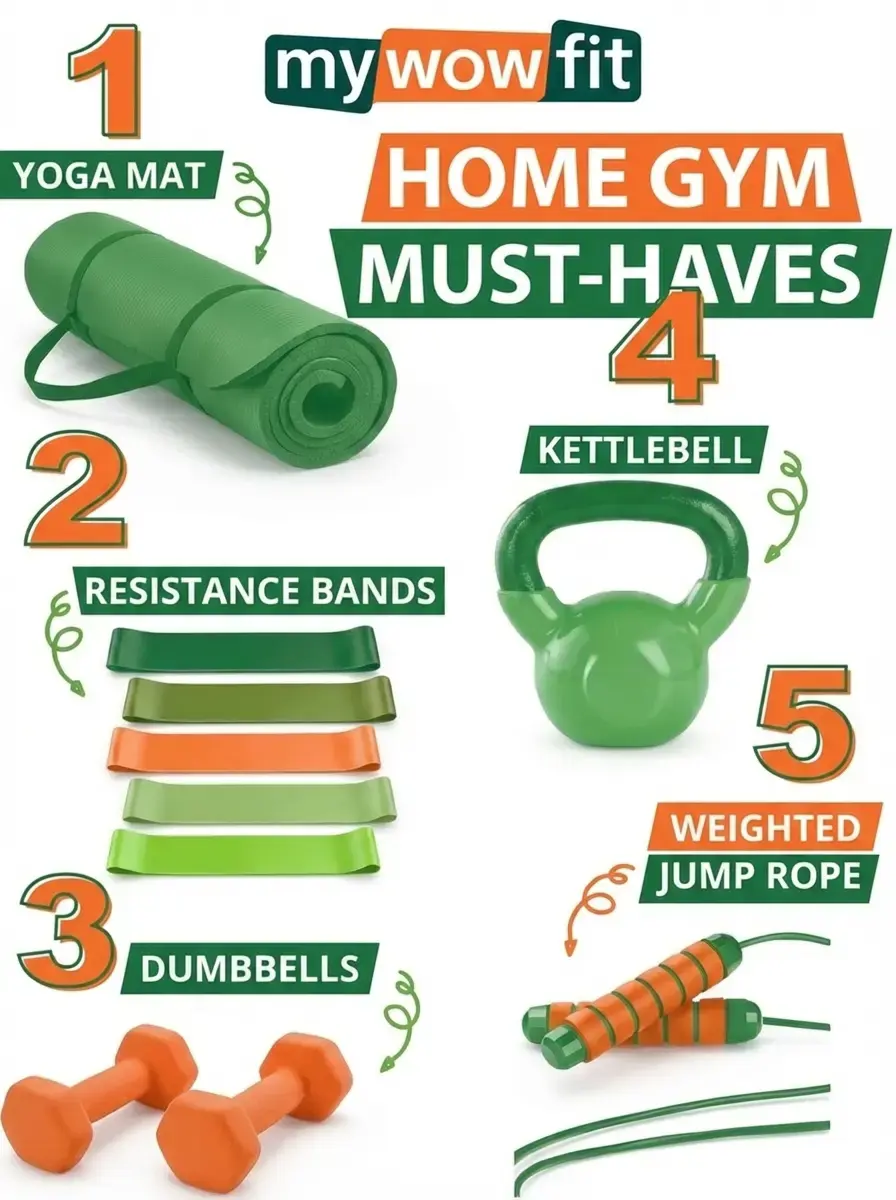
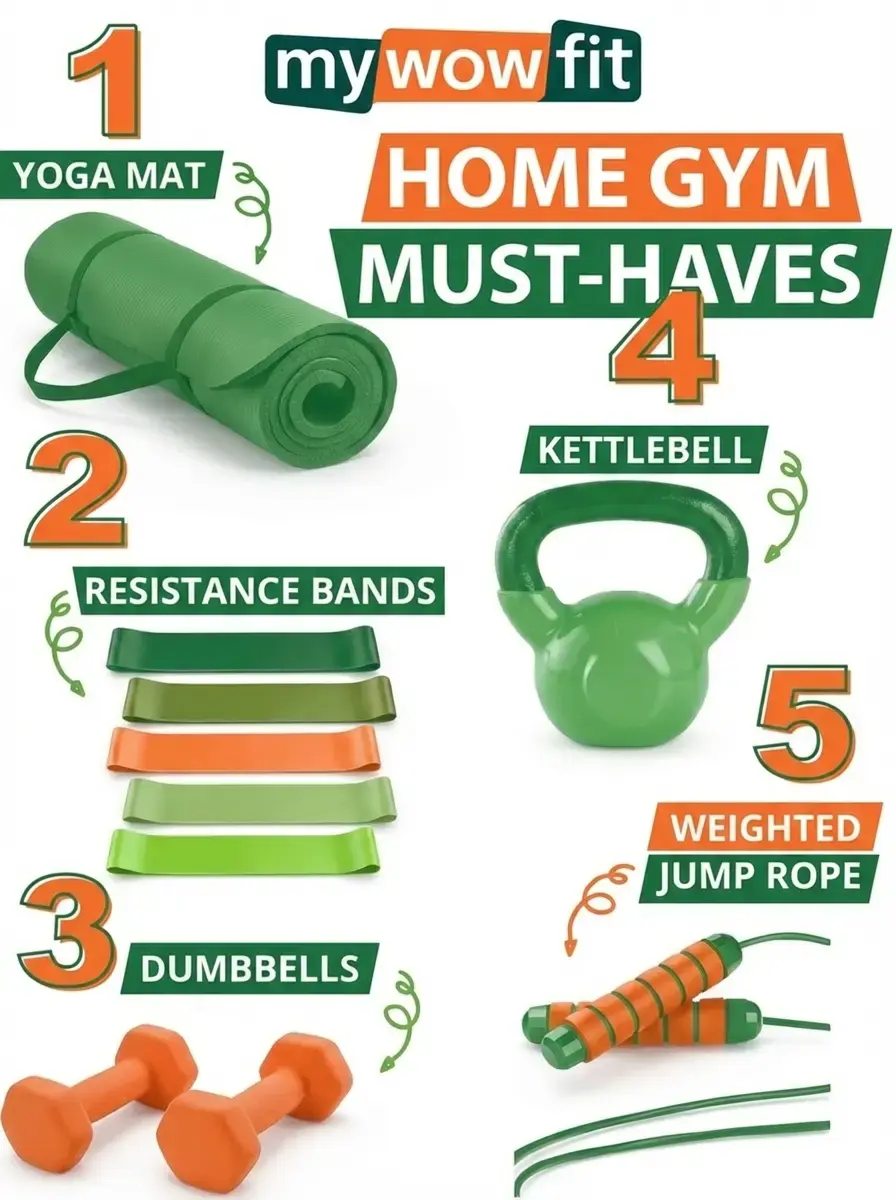
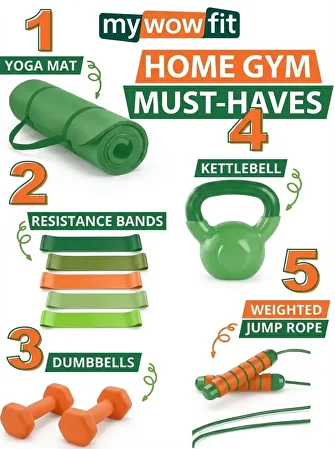
Workout mat
A mat makes floor exercises more comfortable, especially for planks, stretches, and core work. It does not need to be expensive.
Dumbbells
A light pair of dumbbells is enough for many beginners. Starting with 3-5 lb weights can work for upper body exercises, though some people may want slightly heavier ones depending on the movement.
Resistance bands
These are useful, affordable, and easy to store. They can add resistance to rows, glute exercises, presses, and mobility work, and they are especially helpful if you are working out at home.
Supportive shoes
A stable pair of training shoes can make a difference, especially for walking, lunges, squats, and longer sessions.
If you do not have dumbbells yet, you can use water bottles, backpacks, or other household items for resistance until you are ready to buy equipment.


1-on-1 Workouts & Custom Fitness Plans with Online Personal Trainer
Understanding Exercise Form
When people are new to exercise, they often focus on finishing the workout, doing more reps, or trying to keep up with what they see online. But technique matters much more than speed or intensity in the beginning. Good form helps you target the right muscles, reduce unnecessary strain, and build confidence in the movement itself.
You do not need perfect form immediately. But you should aim to move with control and awareness.
Here are a few basic patterns to learn first:
Squat
Think about sitting back into a chair. Keep your chest lifted, your feet grounded, and your back neutral. Your knees should track in line with your feet, not collapse inward.
Lunge
Step one foot forward and lower with control. Both knees bend as you move down. The goal is balance and control, not depth at any cost.
Push-up
Start in a straight-body plank position. Lower yourself with control and press back up. If a full push-up is too difficult, begin with your knees on the floor or elevate your hands on a bench or wall.
Row
This movement trains your back and helps with posture. Pull your elbows back rather than shrugging your shoulders. Resistance bands and dumbbells both work well here.
Plank
The goal is a straight, stable position from head to heels or knees. Engage your core, keep your neck relaxed, and avoid letting your hips drop.
- A beginner does not need dozens of exercises. Learning a few basic patterns well is far more valuable than constantly switching workouts.
4-Week Beginner Workout Schedule
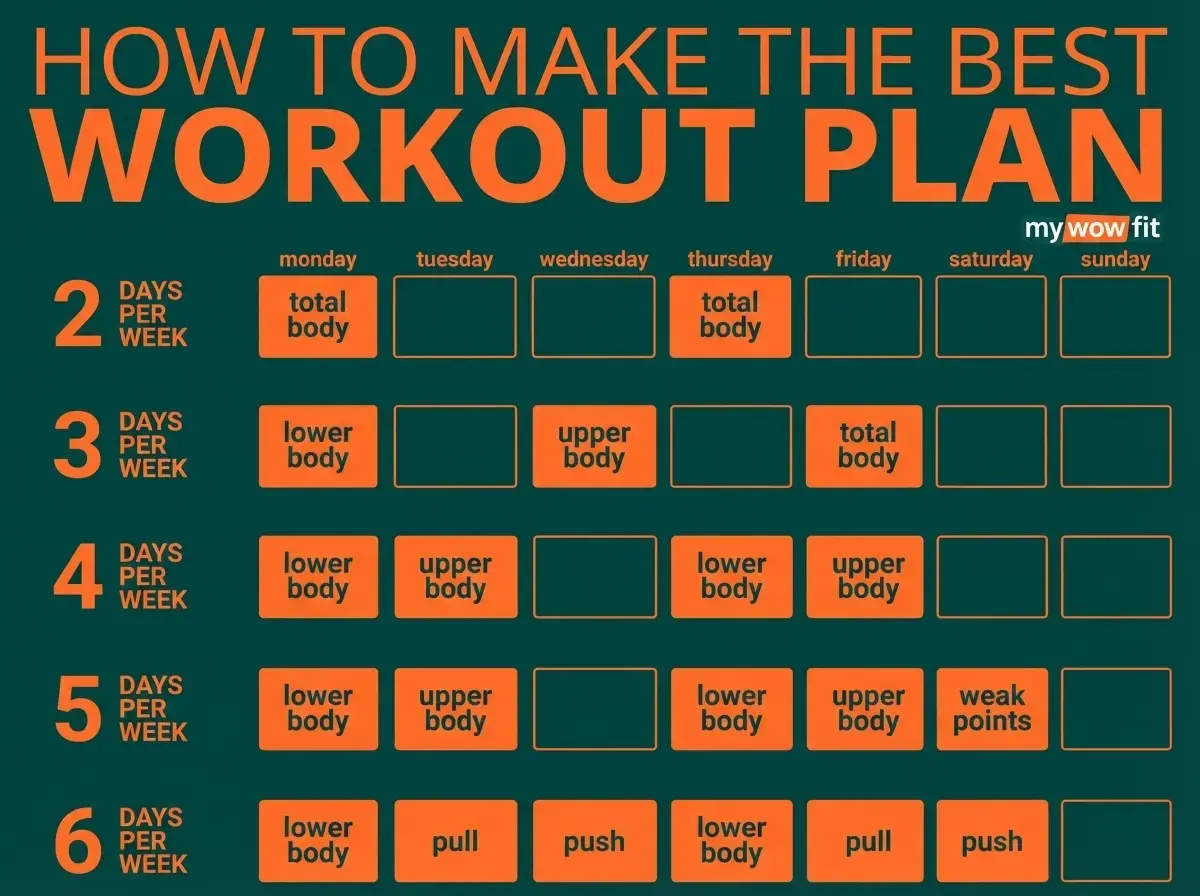
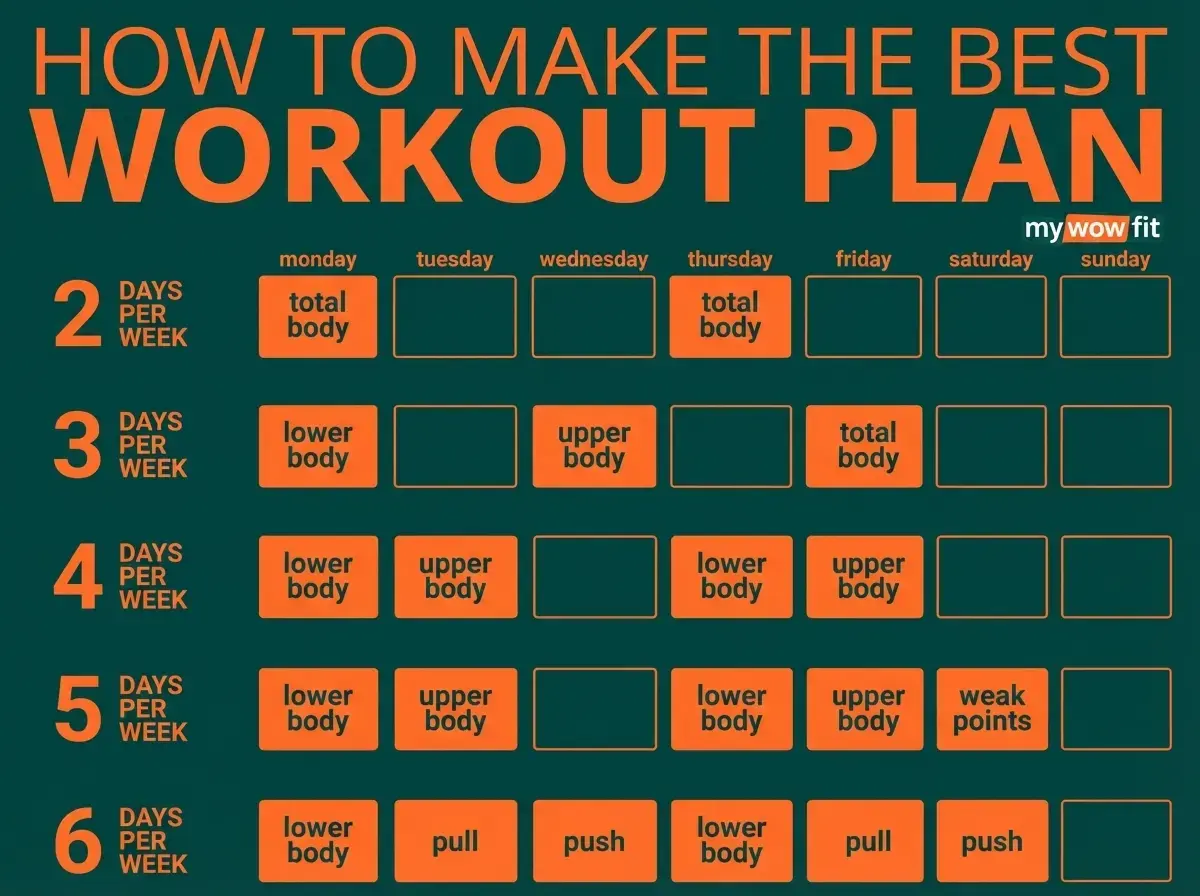
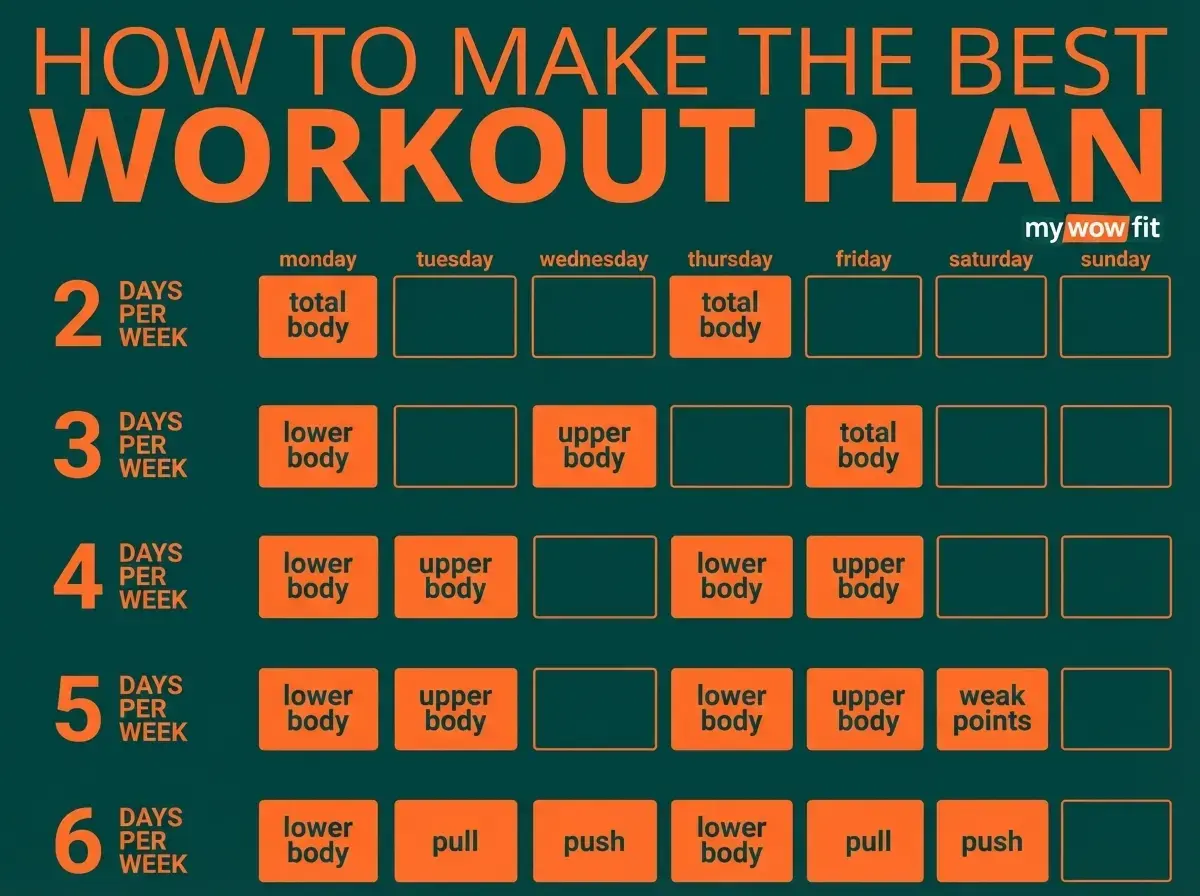
This 4-week beginner workout schedule is designed to help you ease into training. The first two weeks focus on consistency and movement quality. The next two weeks build slightly on that foundation by increasing either volume or difficulty in a manageable way.
This is not meant to be perfect. It is meant to be doable.
Week 1-2: Foundation Phase
Week 3-4: Progressive Phase
Home vs Gym Workouts
In reality, both can work very well.
The better option is the one that fits your routine, your budget, and your personality. A workout plan is only useful if you can actually follow it.
Training at home may suit you better if you prefer privacy, want to save time, or are more likely to work out if everything is convenient. Going to the gym may be a better fit if you like having access to equipment, enjoy the structure of a separate workout space, or find it easier to focus when you leave the house.
There is no universally correct answer here. A good plan in the wrong environment is still hard to maintain
Home Workout Plan
Home workouts are often the easiest way for beginners to get started because they remove several common barriers. You do not need to travel, wait for equipment, or feel self-conscious in a crowded space. You can train on your own schedule and keep things simple.
Many home workout plans for beginners rely on bodyweight exercises, and that is enough to build a strong foundation.
Gym Workout Plan
If you are new to the gym, keep the first few workouts simple. You do not need to try every machine or copy advanced routines. Start by getting comfortable with a few basic pieces of equipment.
Weight Loss Focus
Cardio for Beginners
Brisk Walking: Simple, effective, and you can do it anywhere.
Light Jogging: A step up from walking, try intervals if you find it hard to sustain for a long period of time.
Cycling: A great low-impact option.
Swimming: A full-body workout that’s easy on the joints.
Dancing: Turn up the music and let loose!
Stair Climbing: A great way to work your glutes and hamstrings.
- Start Slow: Don’t try to do too much too soon.
- Listen to Your Body: If you feel like you are overdoing it, stop and take a break.
- Talk Test: If you can hold a conversation while doing cardio, then you are at the right workout intensity. If you can’t, slow down.
- Gradual Progression: Increase the duration and intensity of your cardio workouts over time.
Combining Strength and Cardio
The secret to successful weight loss isn’t just doing a ton of cardio, it’s the magic of combining cardio and strength training. They each play an important role, and working them together is the key to a well-balanced fitness routine. Strength training will increase muscle mass which will help you to burn calories more effectively, even at rest. It’s important to find the best workout plans for beginners that incorporate both strength and cardio. [3]
Schedule Planning
Alternate Days: Do strength training one day and cardio the next to give your body time to recover. This is an example of how important rest periods are.
Combine Sessions: Do cardio and strength training in the same workout, if you are short on time. Try doing strength before cardio for best results.
Listen to Your Body: If you are feeling tired or sore, then take a day off. Rest is crucial to your success. You will find many effective workout plans for beginners female emphasize the importance of rest.
Exercise Selection
Full-Body Movements: Focus on exercises that work multiple muscle groups, such as squats, lunges, and deadlifts.
Compound Exercises: These move multiple joints at the same time, burning more calories.
Variety: Mix it up, try new exercises to keep things interesting. There are many great workout plans for beginners that offer a great range of exercises.
Common Beginner Mistakes
Using poor form
This is one of the biggest reasons beginners get frustrated or injured. If your technique breaks down, reduce the weight, shorten the range of motion, or slow the movement down.
Doing too much too soon
Motivation can make people train harder than their body is ready for. Soreness, fatigue, and inconsistency often follow.
Skipping warm-ups and cool-downs
You do not need long warm-ups, but a few minutes of light movement and mobility can help you feel much better during a workout.
Setting unrealistic goals
Trying to completely transform your body or routine in a very short time usually creates pressure rather than momentum.
Comparing yourself to other people
Your starting point is your own. Other people’s pace has nothing to do with what your body needs.
Ignoring nutrition
Even a great workout plan has limits if your eating habits consistently work against your goals.
Most beginner mistakes come from impatience, not lack of effort. Slow, steady progress is usually the better strategy.
Tracking Progress
It helps you stay motivated and notice changes that are easy to miss when you rely only on how you look in the mirror.
Setting Realistic Goals
- Be specific: Instead of saying “I want to get fit,” choose something more concrete, like “I want to work out three times a week.”
- Be measurable: Use simple markers you can actually follow.
- Be realistic: A goal should challenge you, but still fit your current life.
- Use a timeframe: A timeline makes progress easier to evaluate.
Measuring Success
- Body weight: This can be useful, but it is only one data point.
- Measurements: Waist, hips, arms, or thighs may change even when the scale moves slowly.
- Photos: Progress photos often show changes you do not notice in daily life.
- Energy and mood: Better sleep, more energy, improved focus, and a better mood are real signs of progress.
- Strength and performance: Doing more reps, using heavier weights, walking farther, or feeling more stable all matter.
Conclusion
You do not need advanced knowledge, perfect motivation, or expensive equipment. You need a plan that makes sense, a few basic exercises, and the willingness to keep showing up even when you are still figuring things out.
The best beginner workout plans are the ones that help you build confidence and consistency. They do not ask you to do everything at once. They help you create momentum one workout at a time.
If you follow a simple structure, learn proper form, give yourself time to improve, and stay patient through the early stages, you can build a strong foundation that lasts much longer than short bursts of motivation.
This guide gives you a solid place to start. If you want more support along the way, Mywowfit can help you train with more structure, accountability, and personalization. Our new app gives you access to customized plans, progress tracking, and expert guidance wherever you are. And if you want real-time coaching, our 1-on-1 live Zoom sessions connect you with experienced trainers who can guide, adjust, and support you based on your goals and fitness level.
1-on-1 Workouts & Custom Fitness Plans with Online Personal Trainer
FAQ
How should a beginner start a workout? A beginner should start with a 5-10 minute warm-up, followed by a workout that focuses on compound exercises and proper form. Start slow, choose exercises that feel comfortable, and always prioritize form over intensity.
What is the 4/30/10 method workout? The 4/30/10 workout method typically refers to a workout that involves 4 sets of an exercise, each set lasting 30 seconds, with a 10 second rest period in between. This is just one way to organize your workouts, and you can adjust the sets, reps and intensity as you see fit.
What is the 5 4 3 2 1 method of lifting? The 5 4 3 2 1 method of lifting refers to a structured approach to weight lifting, where you perform 5 repetitions with a lighter weight, 4 reps with a medium weight, 3 reps with a slightly heavier weight, 2 reps with an even heavier weight and finally 1 rep at your maximum weight. This method helps you develop strength and muscle mass.
- STRENGTH TRAINING GUIDELINES Role in Body Composition and Health Enhancement
- INTERVAL TRAINING FOR CARDIOMETABOLIC AND BRAIN HEALTH
- Effects of combined resistance and cardiovascular training on strength, power, muscle cross-sectional area, and endurance markers in middle-aged men
Responses (4)
You may also be interested
Meet some of our trainers
" I'm committed to bringing aboard top-tier trainers to provide the best personal training service in the world. I will help you find your perfect match."

All rights reserved


How it Works
Trainers
Pricing
Blog
FAQ
Gift Certificate
Referral Program
Work with Us
Affiliate Program
Terms of Service
Code of Conduct
Disclaimer of Medical Advice
Cancellation, Refund, Referral Policy
Services


USA, 1111B S Governors Ave #6047 Dover, DE 19904, Online Fitness Technologies INC
EU and UK: MYWOWFIT OU, Estonia, Harju maakond, Tallinn, Kesklinna linnaosa, Tornimäe tn 3 // 5 // 7, 10145





Share via