
Safe Postpartum Ab Workouts: Your Complete Week-by-Week Recovery Guide
Bringing a baby into the world is an incredible experience, but it also puts a huge amount of stress on the body, especially the core and pelvic floor. Once the early postpartum chaos begins to settle, many women naturally start wondering when they can safely return to exercise and how to rebuild core strength again. The important thing to remember is that postpartum recovery is not about rushing to “get your body back.” Your body has just gone through pregnancy, delivery, hormonal changes, sleep deprivation and major physical stress. Recovery takes time and rebuilding strength safely is much more important than trying to progress too quickly.
This guide is designed to help you approach postpartum ab workouts in a safer and more realistic way. Instead of jumping straight into intense core exercises, the focus is on rebuilding strength step by step. Every postpartum journey looks different. Some women recover quickly, while others need more time depending on factors like sleep, stress, delivery type, diastasis recti or C-section recovery. The goal is to create a routine that supports healing, improves strength and helps you feel more confident in your body over time.
table of contents
Understanding Your Postpartum Core
Postpartum Core Anatomy and Healing Process
Initial Recovery Phase: Weeks 0-6
Progressive Core Restoration: Weeks 6-12
Advanced Core Training: 12+ Weeks
Workout Programs
The Emotional Side of Postpartum Fitness
Conclusion
Key Takeaways
FAQ
Medical Disclaimer and Consultation Importance
This article is for informational purposes only and should not replace medical advice. Always consult your doctor, pelvic floor physical therapist or qualified healthcare provider before beginning postpartum exercise, especially after a C-section, complicated delivery, pelvic floor symptoms or severe diastasis recti. If you experience pain, pelvic heaviness, leaking, dizziness, increased bleeding, or abdominal doming during exercise, stop and seek professional guidance.
You have to take the time to find the right postpartum ab workout plan. Mywowfit online personal trainer can be incredible helps since you can train from home at any time!
1-on-1 Workouts & Custom Fitness Plans with Online Personal Trainer
Understanding Your Postpartum Core
Many women describe the postpartum core as feeling unstable or disconnected at first. Even basic movements like rolling out of bed, carrying the baby, or standing for long periods can feel surprisingly difficult during early recovery. But slowly you can start working on getting to how things were. [2]
One of the most important muscles involved in postpartum healing is the transverse abdominis, often called the TVA. This deep abdominal muscle acts almost like a built-in support system around the spine and pelvis. Rebuilding connection to this muscle is one of the foundations of safe postpartum core recovery. The pelvic floor is equally important. These muscles support the bladder, bowel, and reproductive organs while also working closely with the diaphragm and deep core muscles during movement and breathing. Pregnancy and birth can weaken or overload this system, which is why some women experience leaking, heaviness, or pressure postpartum.
Diastasis recti is another major part of postpartum recovery. This refers to the separation of the rectus abdominis muscles which are commonly known as the “six-pack” muscles during the pregnancy. Some degree of separation is extremely common and often completely normal. The goal is not necessarily eliminating every gap, but improving tension, function, strength and coordination across the abdominal wall.
One thing several women mention is how emotionally difficult it felt to see their body change postpartum, especially when progress seemed slow. But many also shared that once they shifted their focus toward strength and healing rather than appearance alone, recovery became much less stressful. That mindset shift is important because postpartum exercise is not just about aesthetics. Your core affects posture, breathing, balance, lifting mechanics, back support, and daily comfort. Rebuilding it properly helps support your entire body.
Postpartum Core Anatomy and Healing Process
“Studies published in the Journal of Women’s Health Physical Therapy have shown that targeted exercises can effectively reduce diastasis recti and improve core strength in postpartum women.” This is why you have to find the right way to be doing all of this and all those breathing techniques. [3]
Many women feel pressure to “bounce back” quickly after birth. Social media is full of postpartum transformations that make recovery look almost immediate. But rushing back into intense workouts too early can actually slow healing down. Recovery usually goes much more smoothly when women focus first on breathing, walking, posture, and gentle core activation before progressing into more demanding exercises. Postpartum recovery is not a race. The goal is building a strong foundation that supports your body long term rather than forcing intense workouts before the body is ready for them.

C-Section Recovery Requires Extra Patience
That experience is incredibly common.
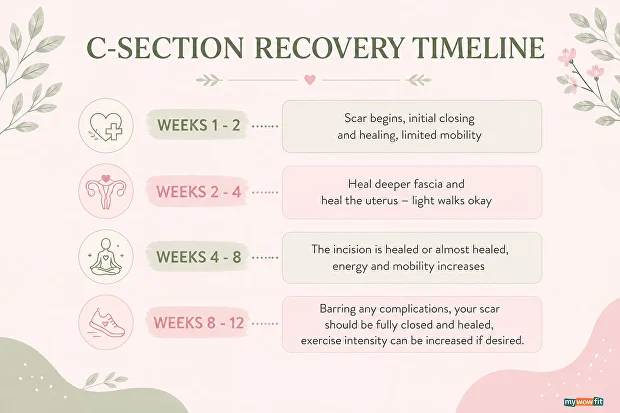
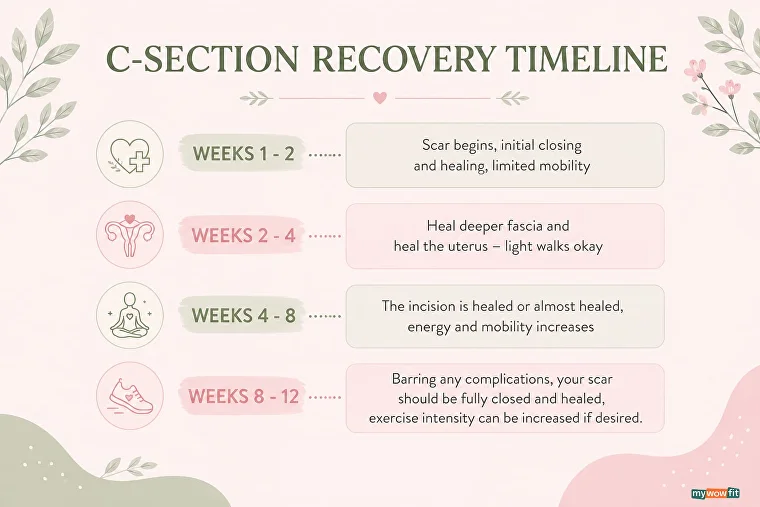
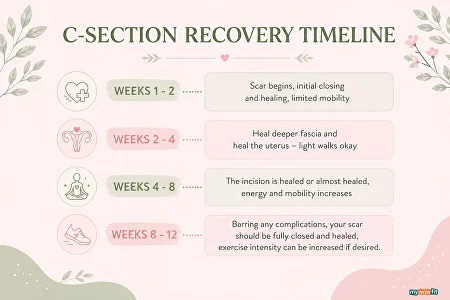
The abdominal wall, fascia, nerves, and connective tissues all need time to heal properly after surgery. Because of this, progression often needs to happen even more gradually. Early recovery after a C-section focuses heavily on breathing, posture, gentle walking and learning how to move comfortably again. Scar tissue healing may also become part of recovery later on. Once cleared by a healthcare provider, gentle scar massage can sometimes help improve mobility and reduce tightness around the incision area. Pelvic floor therapy can also be extremely beneficial after a C-section, even though many people incorrectly assume pelvic floor issues only happen after vaginal birth.
The most important thing during this stage is avoiding pressure and strain that the body is not yet ready to handle.
Initial Recovery Phase: Weeks 0-6
At this stage, movement should feel restorative rather than exhausting. Breathing or pelvic tilts can help begin reconnecting the deep core muscles safely but exercises are not the first priority. The focus is on slow, controlled movement without pressure, pain or abdominal bulging. This is also the phase where many women start noticing symptoms like abdominal doming, pelvic heaviness or leaking during certain movements. Those signs usually mean the body needs more support and a slower progression. If you are not sure if this is the right moment, be sure to do a checkup with your doctor to get more information on what is and when to start ab workout postpartum
Crunches, aggressive twisting exercises, intense planks, heavy lifting, and high-impact workouts are generally not appropriate during these early weeks. One important point many women talk about is that recovery timelines vary significantly depending on birth experience. Women recovering from difficult deliveries or C-sections often needed substantially longer before movement felt comfortable again. That’s why comparison is rarely helpful postpartum, every journey is very personal.
Breathing Techniques
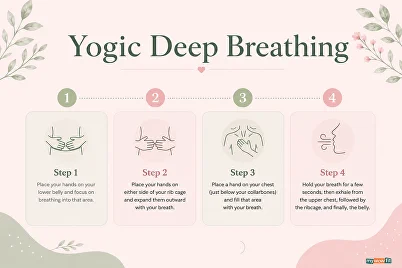
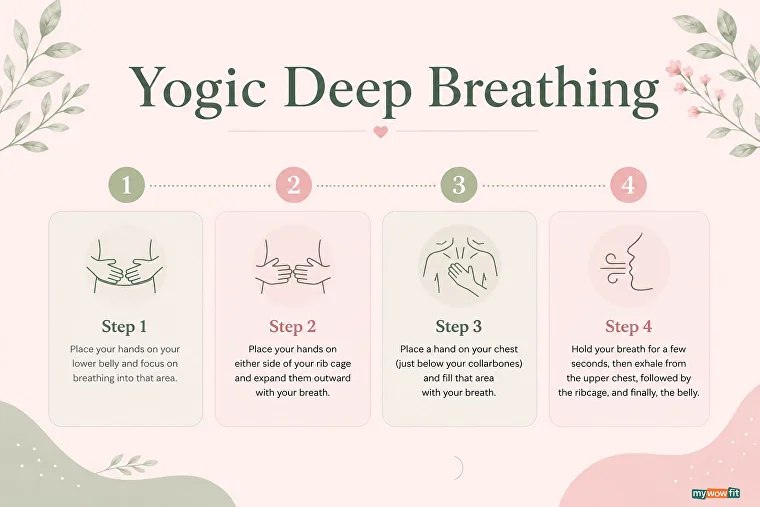
One of the most overlooked parts of postpartum recovery is learning how to breathe properly again. During pregnancy, your core, diaphragm and pelvic floor all go through major changes. After birth, reconnecting with those muscles gently is often the first step toward rebuilding strength safely.
Deep diaphragmatic breathing can help activate the deep core muscles, especially the transverse abdominis, meaning the muscle that acts like your body’s natural corset. At the same time, slow breathing helps calm the nervous system, which many new moms desperately need during the stressful and exhausting early postpartum phase.
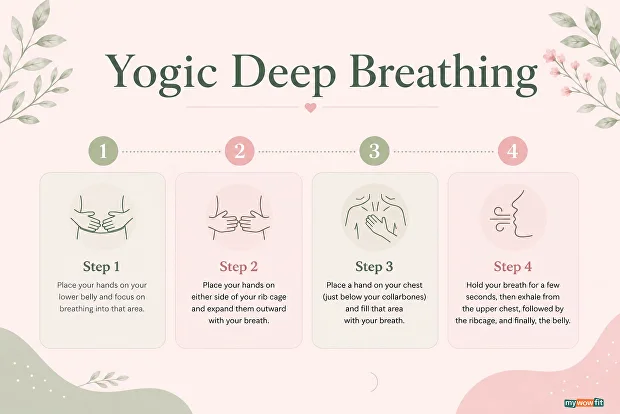
Good thing is that breathing exercises are simple and can be done almost anywhere. You do not need a gym or a long workout session. Even a few quiet minutes focusing on your breathing can help you reconnect with your body again. Start slowly. Sit or lie in a comfortable position and take deep breaths into your ribcage and belly instead of shallow breaths into the chest. As you exhale, gently engage your core and pelvic floor without forcing or squeezing too hard. The goal is not intensity, the goal is awareness and gentle activation.
This stage of recovery is also a reminder that postpartum fitness is not only about “getting your body back.” It’s about healing, rebuilding strength, improving daily movement and feeling more comfortable in your body again. Setting realistic goals and focusing on consistency instead of perfection usually leads to much better long-term progress.
Basic Movements
Exercises like gentle pelvic tilts, small bridges, heel slides or modified bird-dogs are commonly recommended during early postpartum recovery because they encourage core activation while staying low impact. These movements may feel simple, but they help rebuild coordination, posture and stability, all of which are important after pregnancy and childbirth.
One thing many women in postpartum recovery communities mention is how important patience becomes during this stage. Recovery is rarely perfectly linear. Some days your body feels stronger, while other days you may feel tired, sore, or overwhelmed. That is completely normal. Listening to your body matters far more than rushing progress. Pain, heaviness, pressure, leaking or discomfort are signs that the body may not be ready for more intense exercises yet. Slowing down is not failing it is just a part of recovering properly.
And if the process feels confusing or overwhelming, getting support from a qualified postpartum trainer or pelvic floor specialist can make a huge difference. Personalized guidance often helps women feel more confident, safe, and supported throughout recovery.
1-on-1 Workouts & Custom Fitness Plans with Online Personal Trainer
Progressive Core Restoration: Weeks 6-12
Many women still feel weak during this phase, especially because sleep deprivation, feeding schedules and the physical demands of caring for a baby continue to affect recovery. Some moms mention feeling frustrated because they expected to “feel normal” again by this stage but still felt physically drained. It is important to normalize, that healing is still happening.
Basic Ab Exercises
- TVA Activation: You need to continue practicing this essential exercise, focusing on maintaining a gentle contraction throughout the day. This muscle is amazing and really needed for those ab workout postpartum.
- Pelvic Tilts: Time to increase the challenge by adding a resistance band around your knees. The goal is to stay there and find the best postpartum exercises to lose weight, by keeping you on that body alignment.
- Modified Planks: Want to be able to have more control over all? Start with forearm planks on your knees, gradually progressing to full planks as your strength improves. The most important part is for you to do the most you can and get that muscle engagement going! This is the core stability going!
TVA activation remains important here. Bridges, dead bugs, bird dogs, side-lying exercises, and supported planks are commonly introduced gradually depending on comfort and symptom response.
Modified planks on the knees or elevated surfaces can be a good transition exercise because they build stability without creating excessive abdominal pressure too quickly.
This is also where women often start noticing how important posture and breathing are during everyday life. Carrying a baby, lifting a stroller, feeding for long periods, and sleeping in awkward positions can all place stress on the neck, back, ribs, and core.
Functional strength becomes just as important as “ab exercises.”
Several women in the Reddit thread talked about how much better they felt once they focused on overall strength rather than trying to aggressively flatten their stomach.
That perspective can completely change postpartum fitness.
Diastasis Recti Recovery
In reality, some separation during pregnancy is completely normal.
The goal of postpartum recovery is improving strength, tension, function and coordination across the abdominal wall, not obsessing over achieving a perfectly flat stomach immediately.
Exercises that usually help include breathing work, TVA activation, controlled core exercises, bridges, heel slides, dead bugs, and gradual strengthening progressions. What matters most is monitoring pressure management. If an exercise causes doming, bulging, pain, or heaviness, the movement may simply be too advanced right now.
Interestingly, some moms mention becoming overly afraid of movement because of conflicting online advice about diastasis recti. Some felt scared to do almost any core exercise. That fear can actually become counterproductive. The goal is not avoiding movement forever. The goal is learning how to strengthen the core safely and progressively.
1-on-1 Workouts & Custom Fitness Plans with Online Personal Trainer
Advanced Core Training: 12+ Weeks
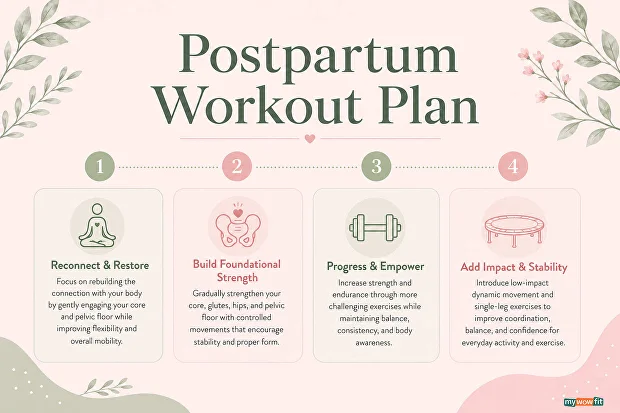
This stage is still not about rushing into intense workouts or trying to “bounce back” quickly. Instead, it’s about gradually rebuilding strength in a way that feels sustainable and realistic for your body. Many moms notice that they feel more connected to their core, more stable during movement and more confident returning to exercise around this stage.
At the same time, postpartum recovery still looks different for everyone. Some women feel ready for more challenging exercises at 12 weeks, while others need additional time depending on sleep, stress, healing, pelvic floor symptoms or delivery type. Listening to your body remains one of the most important parts of the process.
Functional Movements
Postpartum recovery is not only about abdominal exercises. It’s also about making normal movement feel easier again. Carrying your baby, lifting a stroller or getting up from the floor all require coordination between the core, hips, glutes, back and pelvic floor. This is why many postpartum programs begin adding movements like squats, controlled lunges, resistance band work, standing core exercises, modified planks and rotational movements during this stage. These exercises help improve balance, posture, and overall stability while teaching the body to handle movement more naturally again.
Many women also find standing core exercises especially helpful because they feel more practical and functional compared to traditional ab workouts alone.
Exercise Combinations
For example, exercises that combine core activation with lower body movement, balance or upper body strength can help rebuild coordination and functional strength more efficiently. Glute bridges with breathing, bird-dogs, squats with core engagement and resistance band rotations are all common progressions. Progressive overload also becomes more important here. That does not mean pushing yourself to exhaustion. It simply means increasing difficulty gradually over time by adding repetitions, resistance, longer holds, or more challenging variations as your strength improves. Research on postpartum recovery consistently shows that combining core work with functional movement patterns helps improve stability, posture, and overall strength after pregnancy. [5]
Most importantly, advanced postpartum training should still feel supportive rather than punishing. A stronger core can improve energy levels, reduce back pain, improve posture, and make everyday life feel physically easier. The goal is not perfection — it’s building strength steadily and safely while creating a routine you can actually maintain long term.
Workout Programs
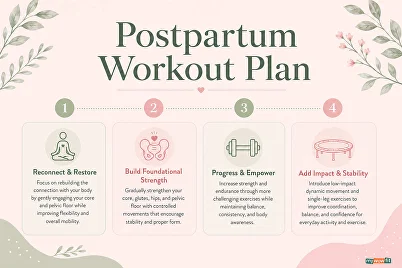
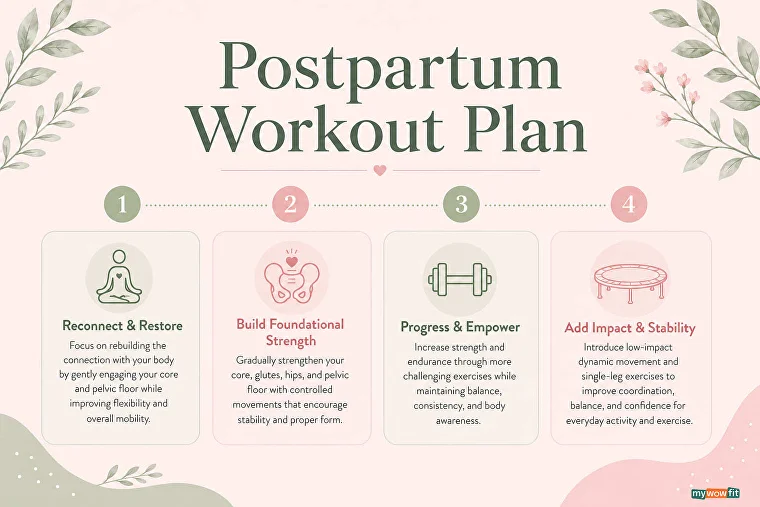
The best postpartum fitness routine is usually not the most intense one. It’s the one you can realistically maintain while taking care of yourself and your baby. That may mean shorter workouts, walking regularly, doing strength sessions at home, or focusing on consistency rather than perfection.
Many postpartum moms also benefit from expert support, especially when navigating diastasis recti, pelvic floor symptoms, or uncertainty around exercise progression. Academy of Pelvic Health Physical Therapy emphasizes the importance of individualized treatment plans for postpartum women to address specific needs and concerns.
If you’re navigating postpartum recovery after a C-section, you know that extra TLC is a must. Online coaching has become increasingly popular during postpartum recovery because it allows women to exercise from home while adapting workouts around real schedules, energy levels, and recovery needs. Mywowfit connects you with experienced trainers who specialize in postpartum ab workout plans. You’ll gain access to expert guidance, modified exercises to support scar tissue healing, and a personalized Safe Exercise Progression Guide. Whether you prefer the convenience of working out through the Mywowfit app or connecting with a trainer in real-time via Zoom sessions, you’ll find a supportive and accessible way to rebuild your core and regain your strength
The Emotional Side of Postpartum recovery
That emotional experience is incredibly common.
Postpartum recovery is not only physical. Hormones, identity changes, sleep deprivation, stress and mental health all play a role too. Exercise during this stage should ideally support your well-being rather than becoming another source of pressure.
For many women, movement becomes less about shrinking their body and more about reconnecting with it. That’s a very different mindset and usually a much healthier one.
1-on-1 Workouts & Custom Fitness Plans with Online Personal Trainer
Conclusion
Pregnancy and childbirth place enormous demands on the core, pelvic floor, posture and nervous system. Recovery takes time, sometimes much more time than people expect. Some women feel strong relatively quickly. Others need several months before exercise feels comfortable again. Both experiences are normal.
The most important thing is listening to your body, progressing gradually and focusing on long-term healing instead of short-term pressure. Breathing exercises, walking, gentle core work, posture, strength training and patience all play a role in recovery. Small consistent steps matter far more than intense workouts done too early. And perhaps most importantly, postpartum fitness should help you feel supported by your body again — not at war with it.
Thinking about taking your progress to the next level?
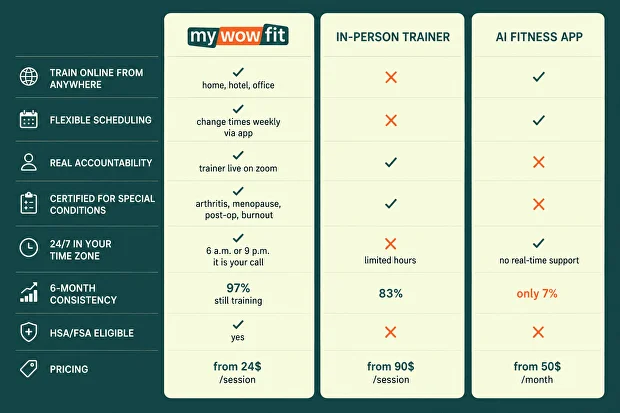
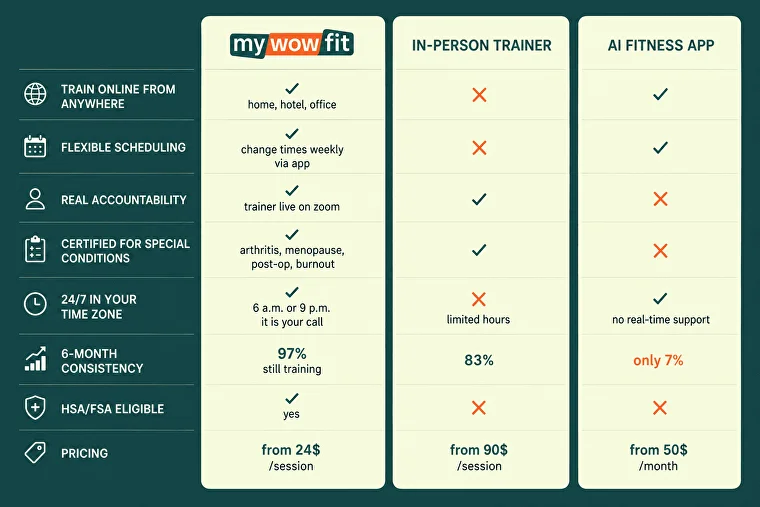
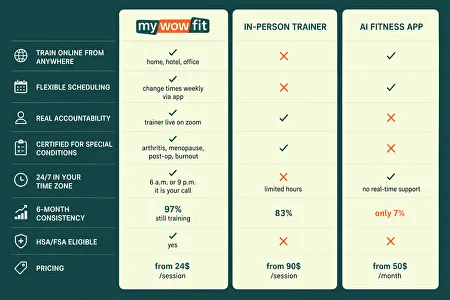
If you’re feeling stuck or just want more structure and accountability, professional support like what Mywowfit offers can be a game changer. Expert guidance helps you stay consistent, avoid injury, and actually reach your goals faster.
Here’s how going it alone compares to getting expert help:
Key Takeaways
- Start small and focus on consistency rather than intensity. In reality, even 10 minutes of gentle core work, breathing exercises, walking, or mobility training can make a difference when done regularly. You do not need long or exhausting workouts to begin reconnecting with your core and rebuilding strength.
- It’s also important to choose exercises that actually feel supportive for your body. Postpartum recovery should not feel punishing. The best routine is usually the one you can stick to consistently and safely while gradually progressing over time. Functional movements, gentle core activation, standing exercises, and stability work often become much more useful than jumping straight into intense ab workouts.
- Most importantly, listen to your body throughout the process. Pain, pressure, leaking, heaviness, increased bleeding, or discomfort are signs to slow down and seek guidance if needed. Recovery is not linear, and some days will naturally feel better than others. Patience, consistency, and gradual progress are what truly help rebuild strength long term.
FAQ
How can I flatten my stomach after pregnancy? “Flattening” involves:
- Healing Diastasis Recti: Specific exercises to close abdominal separation; work with a specialist.
- Core Strengthening: TVA, obliques, pelvic floor exercises (pelvic tilts, heel slides, bird-dog, modified planks).
- Cardio: Regular cardio to burn calories and reduce body fat.
- Nutrition: Balanced diet for fat loss and muscle growth.
- Patience: Recovery takes time.
How to tighten the lower belly postpartum? Target deep core muscles:
- TVA Activation: Master the TVA draw-in maneuver.
- Pelvic Floor Exercises: Support lower abdominal muscles.
- Lower Ab Exercises: Reverse crunches (once cleared), leg raises, scissor kicks. Proper form is key.
- Avoid Early Crunches: Can worsen diastasis recti; focus on deep core engagement first.
What exercises get rid of mommy tummy overhang?
“Mommy tummy overhang” is a mix of skin, fat, and muscle weakness. Strategies:
- Address Diastasis Recti: Crucial first step. A transformation is always about the first step.
- Build Muscle: Core and surrounding areas (back, glutes) for a toned look.
- Reduce Body Fat: Cardio and a healthy diet.
- Professional Guidance: Physical therapist or certified trainer for a customized plan and safe training. They ensure the most convenience.
- Be Realistic: Excess skin may not fully retract; surgery may be an option.
- PTJ Author Interview With Sabine Vesting: Early Postpartum Exercise and the Impact on Pelvic Symptoms - apta.org
- Uterus Anatomy in Pregnancy and Childbirth - medicoverhospitals.in
- Efficacy of a Core Strengthening Program for Diastasis Rectus Abdominis in Postpartum Women - journals.lww.com
- Physical Activity and Exercise During Pregnancy and the Postpartum Period - acog.org
- Return to Exercise After Childbirth: Benefits & Tips - growingbones.com.au
Responses (7)
You may also be interested
Meet some of our trainers

All rights reserved


How it Works
Trainers
Pricing
Blog
FAQ
Gift Certificate
Referral Program
Work with Us
Affiliate Program
Terms of Service
Code of Conduct
Disclaimer of Medical Advice
Cancellation, Refund, Referral Policy
Services


USA, 1111B S Governors Ave #6047 Dover, DE 19904, Online Fitness Technologies INC
EU and UK: MYWOWFIT OU, Estonia, Harju maakond, Tallinn, Kesklinna linnaosa, Tornimäe tn 3 // 5 // 7, 10145





Share via