
Best Weight Loss Programs for Menopause: Expert-Backed Guide to Sustainable Results

The good news is that menopause weight gain is not inevitable and it certainly isn’t a personal failure. The hormonal changes that occur during this stage of life can make weight management more challenging, but with the right approach, it is absolutely possible to lose weight, improve your health, and feel stronger and more confident again. The key is finding a sustainable plan that works with your body instead of fighting against it.
table of contents
Understanding Menopause Weight Gain

We will be finding the best weight loss programs for menopause that actually work. It’s all about having those menopause health programs, so let’s dive in!
At the same time, metabolism naturally slows with age. This means your body burns fewer calories at rest than it did in your 20s or 30s. Muscle mass also tends to decrease, which further reduces calorie burn. Combined with stress, poor sleep, and busy schedules, these changes can make weight management feel much more difficult than it used to. But understanding these changes allows you to make smarter decisions. Rather than relying on restrictive diets or quick fixes, successful menopause weight loss programs focus on sustainable habits that support hormone health, preserve muscle mass, and improve overall wellbeing.
For women looking for personalized support, Mywowfit offers one-on-one online coaching designed to fit around busy schedules. With customized workout plans and guidance from certified trainers, it can provide structure and accountability during a stage of life when fitness needs often change.
1-on-1 Workouts & Custom Fitness Plans with Online Personal Trainer
Exercise Adaptation
One of the biggest mistakes many women make during menopause is assuming they should continue exercising exactly as they did before. The reality is that your body may respond differently to training during this stage of life. Hormonal changes can affect recovery, energy levels, sleep quality, and muscle maintenance. Exercises that once felt easy may suddenly seem more challenging. This doesn’t mean you should stop exercising. [1]
The key is learning how to adapt your workouts to support your changing body.
Many women notice two common shifts during menopause:
These changes can contribute to a slower metabolism and increase the risk of insulin resistance, making weight management more difficult. However, regular exercise remains one of the most effective tools for counteracting these effects. Strength training becomes especially valuable because it helps preserve and build muscle, which supports a healthy metabolism. Cardiovascular exercise improves heart health and helps burn calories, while flexibility and mobility work can improve movement quality and reduce the risk of injury.
Just as importantly, exercise can help manage some of the less visible symptoms of menopause, including stress and sleep disturbances.
It’s important to remember that menopause is a biological transition, there is nothing wrong with you. Your body is changing and your fitness strategy may need to change with it. Finding the right balance of exercise, nutrition, recovery and support can make a significant difference in how you feel throughout this stage of life.
Many women find that having expert guidance helps them stay consistent and confident. Programs that offer personalized coaching, accountability, and flexibility can make it easier to adapt workouts to your individual needs, fitness level, and lifestyle. Hop on a 60-minute video call via Zoom for a full workout. Your instructor will get to know more about your lifestyle and goals. You can either stick with the coach you had during the trial or switch to someone new.
1-on-1 Workouts & Custom Fitness Plans with Online Personal Trainer
Types of Weight Loss Programs - check
The most successful programs focus on long-term habits rather than quick fixes. Menopause is already a time of significant change, so the goal should be creating sustainable routines that support your health for years to come.
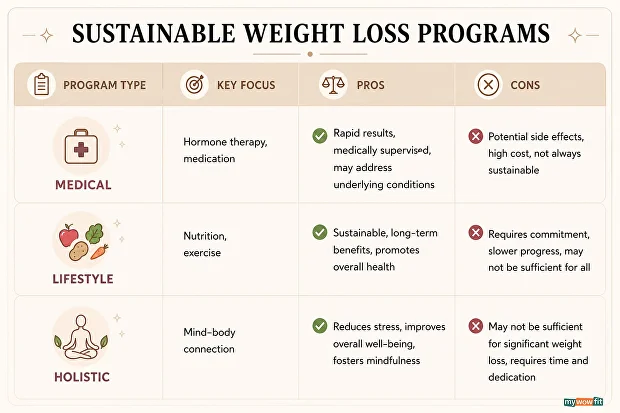
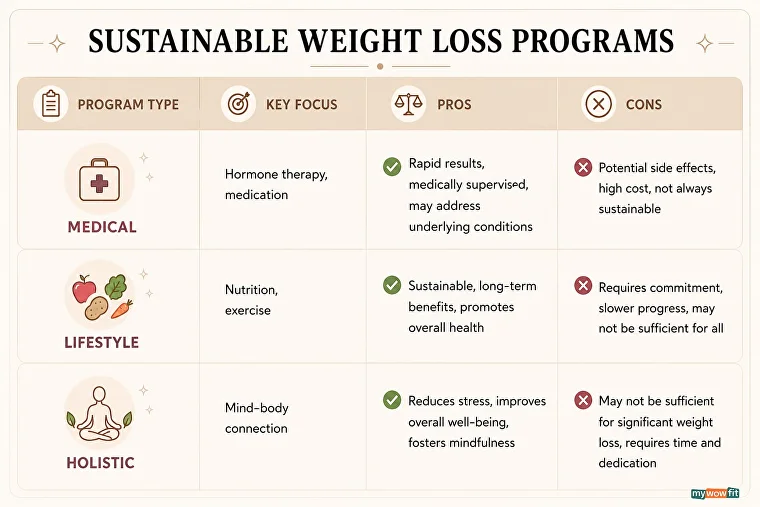
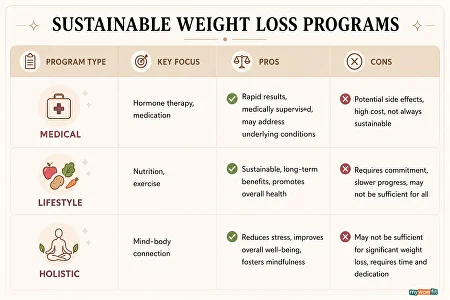
Medical Programs
These are doctor-supervised options that may involve hormone therapy, prescription medications and intensive health monitoring. They are often a good option for people with medical conditions or who need intensive care and attention. If the main problem is about those pesky hormonal changes, then this can be the path to take. [2]
Lifestyle Programs
These programs focus on nutrition, exercise and behavioral changes, offering support and guidance for making sustainable lifestyle modifications. This helps out with making your body composition better as well. This can also really help out with the nutritional needs, since you are doing it consistently!
Holistic Programs
These programs incorporate mind-body approaches, such as yoga, meditation and stress management techniques, to promote overall well-being and address the emotional and psychological factors that can contribute to weight gain. The main issue is being consistent about exercise adaptation is being sure that you are not burned out.
Ultimately, the menopause health programs will work if you stay consistent. You have to make a conscious decision to start your sustainable weight loss journey and stick to it.
Choosing the Right Program
Start with an honest assessment of your current situation.
Consider your overall health, activity level, weight loss goals and any symptoms you’re experiencing during perimenopause or menopause. Understanding where you are now will help you choose a program that supports your specific needs rather than following a one-size-fits-all approach.
Next, think about your lifestyle.
A busy professional may need a flexible program that fits around work and family commitments, while someone with more free time might enjoy a more structured approach. The most effective plan is one you can realistically follow week after week.
Cost is another important factor.
Menopause weight loss programs range from free online resources and community support groups to premium coaching programs and medically supervised interventions. Consider your budget, but also think about the value of expert guidance, accountability, and personalized support.
Finally, consider how much support you need.
Some women are comfortable managing their health independently, while others thrive with regular coaching, group support or professional guidance. Many menopause support programs offer access to fitness experts, nutrition advice and accountability tools that can make the process feel less overwhelming.
Workplace wellness programs can also be a useful resource. Some employers now offer health coaching, fitness benefits and stress management support that may help women navigate menopause more successfully. Having the right support system in place can make healthy habits easier to maintain and help you achieve sustainable results over time.

Program Components and Success Factors
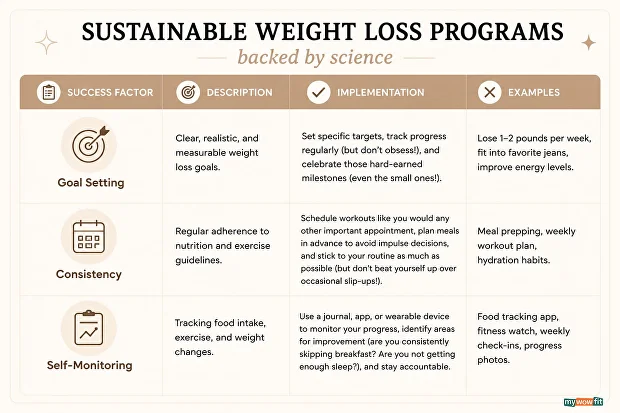
Rather than chasing quick fixes or dramatic transformations, the goal should be creating habits that support your health, energy levels and weight management for the long term.
Nutrition Guidelines
Focus on Balanced Meals
Instead of counting every calorie, focus on building balanced meals that include protein, healthy fats, fiber, and complex carbohydrates.
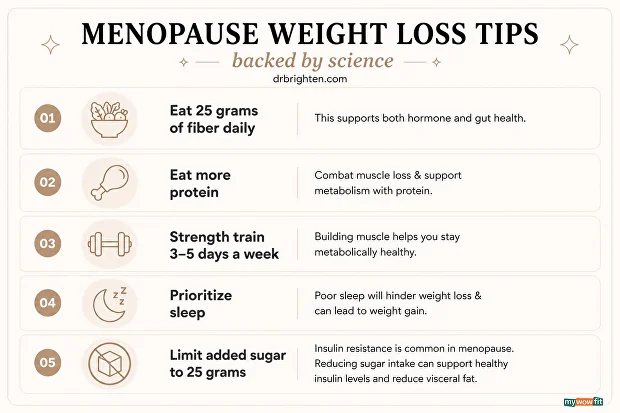
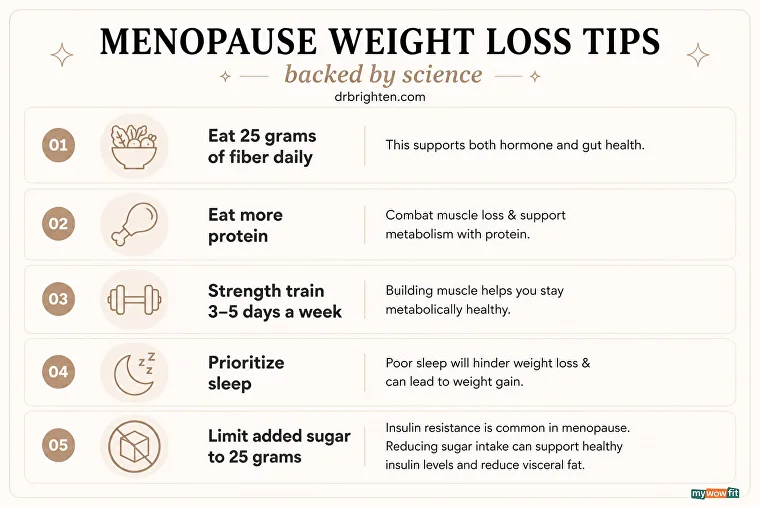
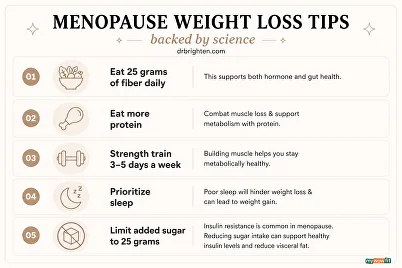
Protein becomes especially important during menopause because it helps preserve muscle mass, supports recovery, and promotes fullness after meals. Good sources include fish, chicken, eggs, greek yogurt and tofu.Fiber-rich foods such as vegetables and whole grains can help improve digestion and keep you satisfied between meals.
Pay Attention to Portion Sizes
Many restaurant meals and packaged foods contain much larger portions than most people actually need. You don’t have to measure every bite, but becoming more aware of portion sizes can make a significant difference over time. Eating slowly and paying attention to hunger and fullness cues can also help prevent overeating.
Choose Whole Foods Most of the Time
Highly processed foods often contain excess sugar, sodium, and calories without providing much nutritional value. While no food needs to be completely off-limits, focusing primarily on whole, minimally processed foods can make weight management much easier. Think colorful vegetables, fruits, lean proteins, healthy fats, nuts, seeds and whole grains.
Many women also find that reducing highly processed snacks helps stabilize energy levels and minimize cravings throughout the day.
Exercise Recommendations
Prioritize Strength Training
If there is one type of exercise that deserves special attention during menopause, it’s strength training. As estrogen levels decline, muscle loss naturally accelerates. Building and maintaining muscle helps support metabolism, improve strength and make everyday activities easier. You don’t need to spend hours lifting weights. Two to four strength-training sessions per week can be enough to produce meaningful results. [3]
Include Regular Cardio
Cardiovascular exercise supports heart health, burns calories, and improves endurance. Current recommendations generally suggest aiming for at least 150 minutes of moderate-intensity activity per week. This can include walking, cycling, swimming, dancing, hiking or any activity that gets your heart rate up. The best cardio exercise is the one you enjoy enough to do consistently.
Don’t Forget Mobility and Flexibility
Flexibility and mobility often become more important with age.
Stretching, yoga, pilates and mobility exercises can help maintain joint health, improve posture, and reduce stiffness. These activities can also provide valuable stress relief, which is particularly helpful during menopause.
A well-rounded fitness routine doesn’t need to be complicated. Combining strength training, cardio, and mobility work often delivers the best overall results.
Lifestyle Modifications
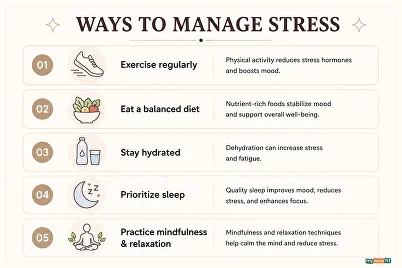
Nutrition and exercise are important, but they aren’t the whole story. Several lifestyle factors can significantly affect weight management during menopause.
Prioritize Sleep
Sleep is often overlooked, yet it plays a major role in weight regulation. Poor sleep can increase hunger hormones, reduce energy levels and make it harder to make healthy decisions throughout the day. Many women also experience sleep disruptions during menopause due to hormonal changes. Creating a consistent bedtime routine, limiting screen time before bed and maintaining a comfortable sleep environment can help improve sleep quality.
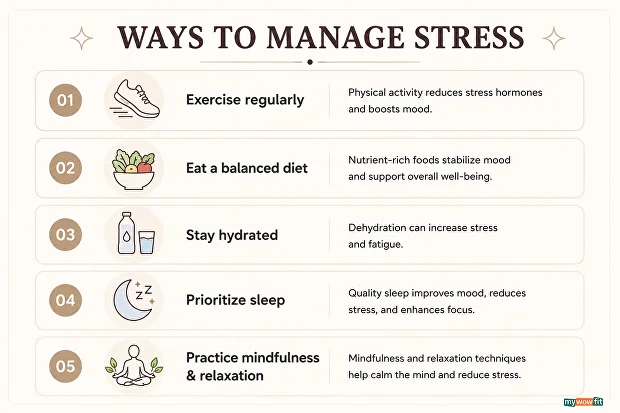
Manage Stress
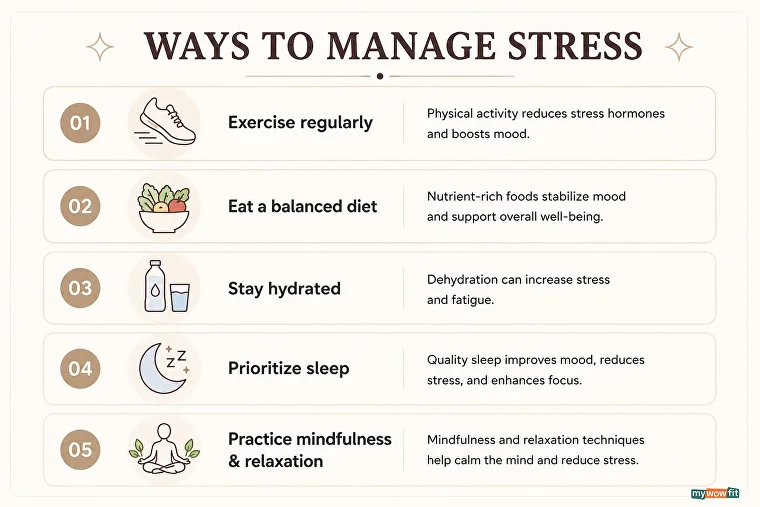
Chronic stress can make weight loss more challenging by increasing cortisol levels, which may contribute to cravings, overeating and abdominal fat storage. Stress management doesn’t have to be complicated. Walking, meditation, journaling and spending time with loved ones can all help reduce stress levels. Finding healthy ways to cope with stress can benefit both your physical and emotional wellbeing.
Build a Support System
Making lifestyle changes is often easier when you don’t do it alone. Support can come from friends, family members, fitness communities or healthcare professionals. Having people who encourage your progress and understand your challenges can make a significant difference in long-term success. Many women find that accountability helps them stay consistent even when motivation naturally rises and falls.
1-on-1 Workouts & Custom Fitness Plans with Online Personal Trainer
Implementation and Monitoring
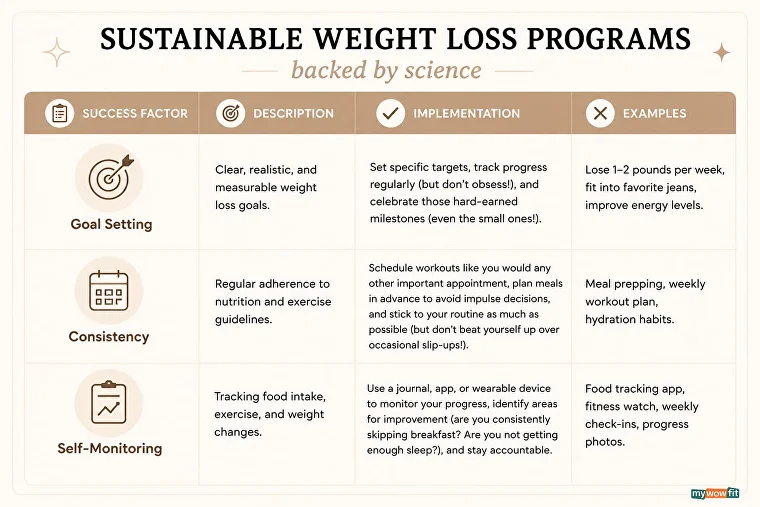
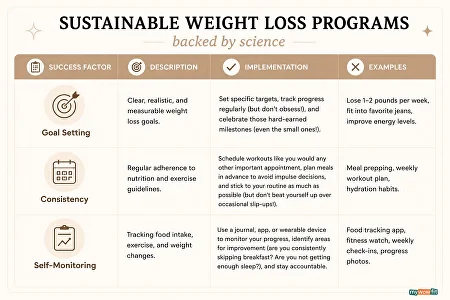
Start by setting realistic goals and focusing on habits you can maintain long term. Track your progress in a way that feels helpful rather than stressful. This could include monitoring your workouts, taking progress photos or just paying attention to how your clothes fit and how you feel. Don’t be discouraged if progress slows occasionally. Weight loss is rarely linear, especially during menopause. Hormonal fluctuations, stress, sleep quality, and other factors can all influence results. If something isn’t working, make adjustments rather than giving up entirely. You may need to modify your nutrition, increase activity levels or seek additional support.
Most importantly, be patient with yourself. Menopause is a significant life transition and taking care of your health during this stage is about much more than the number on the scale. Building strength, supporting long-term health and feeling confident in your body are all meaningful measures of success.
Summary
Most importantly, remember that menopause is not something you need to “fight” against. It is a natural stage of life that requires a different approach to health and fitness. Be patient with yourself, celebrate small victories, and focus on progress rather than perfection.
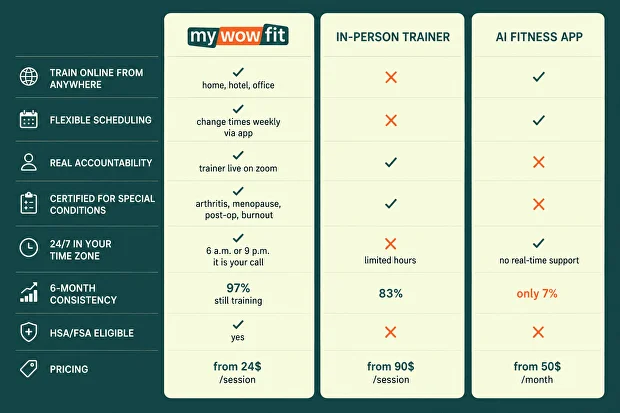
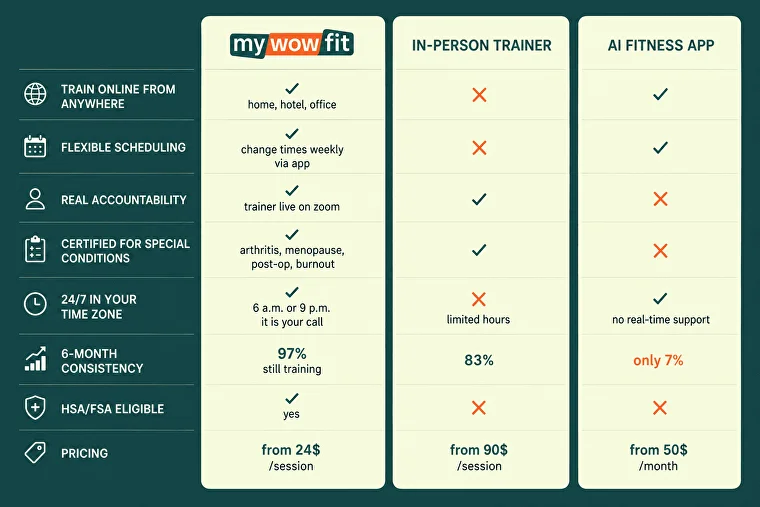
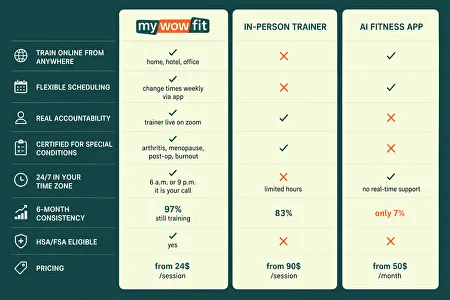
If you’re looking for extra guidance, support and accountability, Mywowfit can help you create a personalized fitness plan that fits your lifestyle. Our trainers know how to work with women going through a menopause and are experienced in strengths training. The goal isn’t simply to lose weight. It’s to feel your best, protect your long-term health and create a sustainable routine that works for the life you’re living today. Check out how Mywowfit compares to other options:
1-on-1 Workouts & Custom Fitness Plans with Online Personal Trainer
FAQ Section
The most effective menopause weight loss program is the one you can realistically follow for months, not just a few weeks. Research consistently shows that long-term success comes from combining balanced nutrition, regular exercise, strength training, stress management, and healthy sleep habits. There is no single program that works for everyone, which is why personalization is so important. A plan that fits your lifestyle, preferences, and health needs is far more likely to produce lasting results than an overly restrictive approach.
How long does it take to see results from a menopause weight loss program?
The timeline varies from person to person. Factors such as age, hormone levels, activity level, sleep quality, and overall health can all affect progress. Some women notice improvements in energy, sleep, and fitness within a few weeks, while visible weight loss may take longer. A healthy and sustainable rate of weight loss is generally considered to be around 1–2 pounds per week. The focus should be on steady progress rather than rapid results.
Can workplace wellness programs help with menopause weight management?
Yes. Many workplace wellness programs now offer resources that can support women during menopause, including fitness initiatives, nutrition education, mental health support, and stress management tools. While these programs may not be designed specifically for menopause, they can provide valuable structure, motivation, and accountability that support healthy lifestyle changes.
Are medical weight loss programs better than lifestyle programs during menopause?
Not necessarily. Medical weight loss programs can be helpful for women with specific health conditions or those who need additional medical support. However, lifestyle-based programs focused on nutrition, exercise, sleep, and behavior change are often highly effective and carry fewer risks. The best approach depends on your individual health history, goals, and needs. It’s always a good idea to discuss your options with a healthcare professional before starting any new weight loss program.
Is strength training really important during menopause?
Absolutely. Strength training is one of the most valuable forms of exercise during menopause. It helps preserve muscle mass, supports metabolism, improves bone density, increases strength, and may make weight management easier over time. Even two or three sessions per week can make a meaningful difference in overall health and body composition.
Mywowfit delivers high-quality 1-on-1 personal training online via Zoom, built for busy people who want flexible scheduling, consistent progress, and truly personalized support. Work with top certified trainers from around the world and achieve safe, sustainable results—anytime, anywhere.
- Understanding weight gain at menopause - ncbi.nlm.nih.gov
- Weight management and healthy ageing - menopause.org.au
- Hormone therapy: Is it right for you? - mayoclinic.org
Responses (8)
You may also be interested
Meet some of our trainers
" I'm committed to bringing aboard top-tier trainers to provide the best personal training service in the world. I will help you find your perfect match."

All rights reserved


How it Works
Trainers
Pricing
Blog
FAQ
Gift Certificate
Referral Program
Work with Us
Affiliate Program
Terms of Service
Code of Conduct
Disclaimer of Medical Advice
Cancellation, Refund, Referral Policy
Services


USA, 1111B S Governors Ave #6047 Dover, DE 19904, Online Fitness Technologies INC
EU and UK: MYWOWFIT OU, Estonia, Harju maakond, Tallinn, Kesklinna linnaosa, Tornimäe tn 3 // 5 // 7, 10145





Share via