
Why Am I Gaining Weight While Working Out? The Complete Science-Based Guide

And then you step on the scale… and it goes up.
Wait, what?
If you’re wondering “Why am I gaining weight while working out?”, you’re definitely not alone. Many people experience this during the first weeks or months of a fitness routine, and it can feel frustrating or confusing.
But here’s the good news: weight gain after starting workouts is often completely normal, and sometimes even a sign that your body is changing for the better.
Your body isn’t a simple “calories in, calories out” machine. It’s a complex system that adapts to exercise in multiple ways — building muscle, storing energy, repairing tissue, and even retaining water temporarily.
In this guide, we’ll break down the real science behind weight changes during exercise so you can understand what’s happening in your body and track progress the right way. Get ready to understand the nuances of weight fluctuation! We’ll cover everything you need to know if you’re experiencing gaining weight while working out, or even if you’re a female gaining weight while working out!
table of contents
Understanding Weight Fluctuations
Normal vs. Concerning Weight Gain
The Science Behind Exercise-Related Weight Gain
Immediate Post-Workout Weight Gain
That usually happens because of inflammation and water retention in the muscles.
Exercise creates tiny micro-tears in muscle fibers. This is normal and actually necessary for muscle growth. To repair the tissue, your body sends fluid, nutrients, and immune cells to the area.
That temporary fluid retention can increase body weight for 24–72 hours after exercise.
In other words, the scale might go up because your muscles are recovering,not because you gained fat. [1]
1-on-1 Workouts & Custom Fitness Plans with Online Personal Trainer
Long-Term Body Composition Changes
Muscle tissue is denser than fat. That means a pound of muscle takes up less space than a pound of fat.
So you might experience a situation where:
• the scale stays the same
• or even increases slightly
• but your body looks leaner and stronger
Think of it like replacing a fluffy pillow with a compact brick. The brick may weigh more, but it occupies less space.
This is why many people ask:
“Why am I gaining weight but look the same or even slimmer?”
The answer is usually improved body composition.
Muscle also burns more calories at rest, which gradually improves metabolism.!

Common Causes of Weight Gain During Fitness Journey
Muscle Growth
📈 Timeline expectations: You won’t bulk up overnight like a Marvel superhero. It takes consistent training and adequate nutrition over weeks and months. Expect to see gradual increases rather than a dramatic overnight transformation. This is true even if you are working out more but gaining weight.
⚖ Normal ranges: The amount of muscle gain varies from person to person, but beginners can typically gain a few pounds of muscle in their first few months of training. It’s not all about looking bulky, think of the increased strength and improved metabolism. The key thing to remember is that gaining weight from working out can be positive. It’s really common to question “why am i gaining weight when working out?”. It’s important to understand the physiological process. It’s also worth keeping in mind that “does muscle gain cause weight gain?”, and the answer is yes. [3]
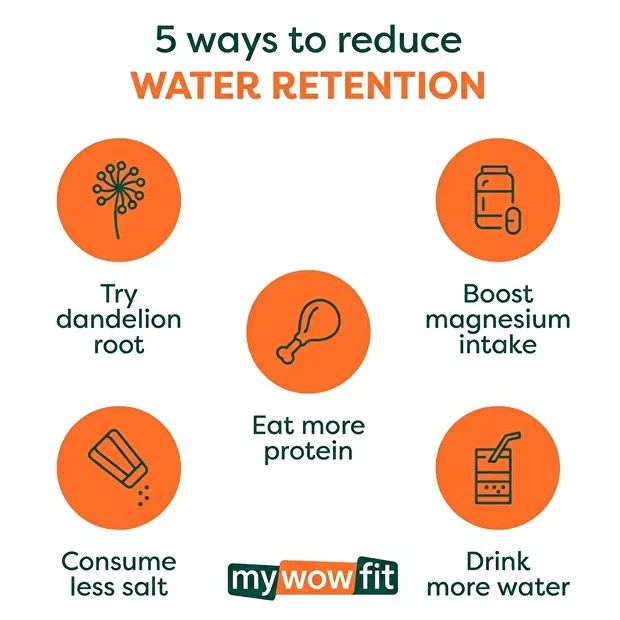
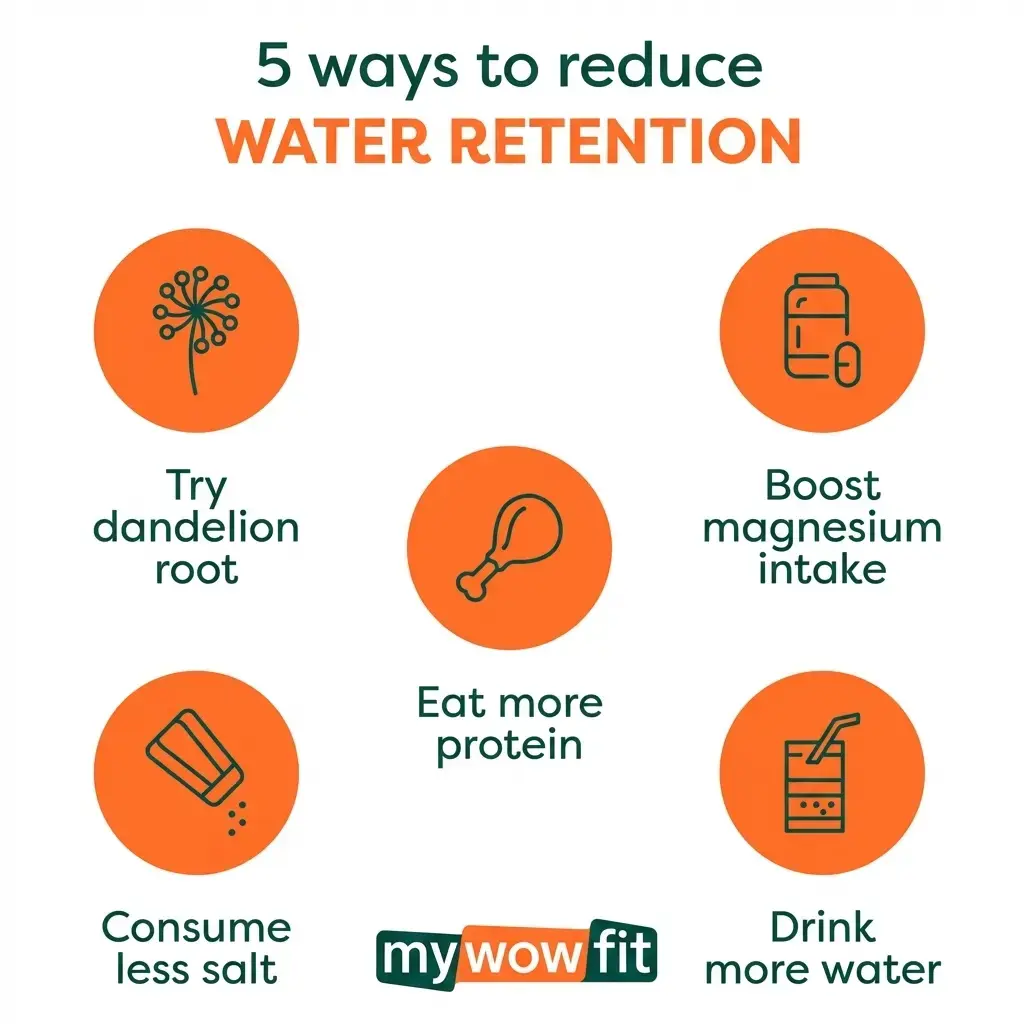
Water Retention
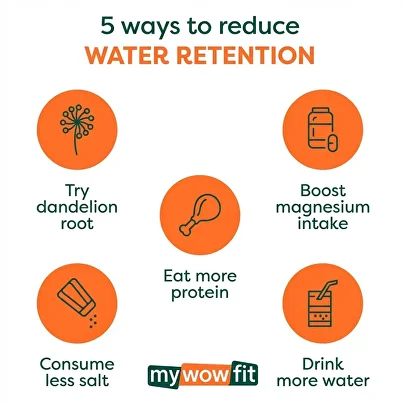
Post-exercise inflammation: After a tough workout, your muscles might be a little sore and inflamed. This can lead to temporary water retention.
Increased blood volume: Your body may increase its blood volume to help deliver oxygen and nutrients to your muscles, and this can contribute to weight fluctuation.
Glycogen storage: Understanding why you might gain weight after working out requires looking beyond the scale at factors like muscle repair and glycogen storage. When you exercise, your muscles use stored carbohydrates (glycogen) for energy. After a workout, your body replenishes these glycogen stores along with water molecules. This leads to temporary weight gain from working out too. [4]
Diet-Related Factors
🤳 Nutrient timing: Timing your meals strategically around your workouts can also make a difference to your fitness progress. You need to be smart with the food you eat.
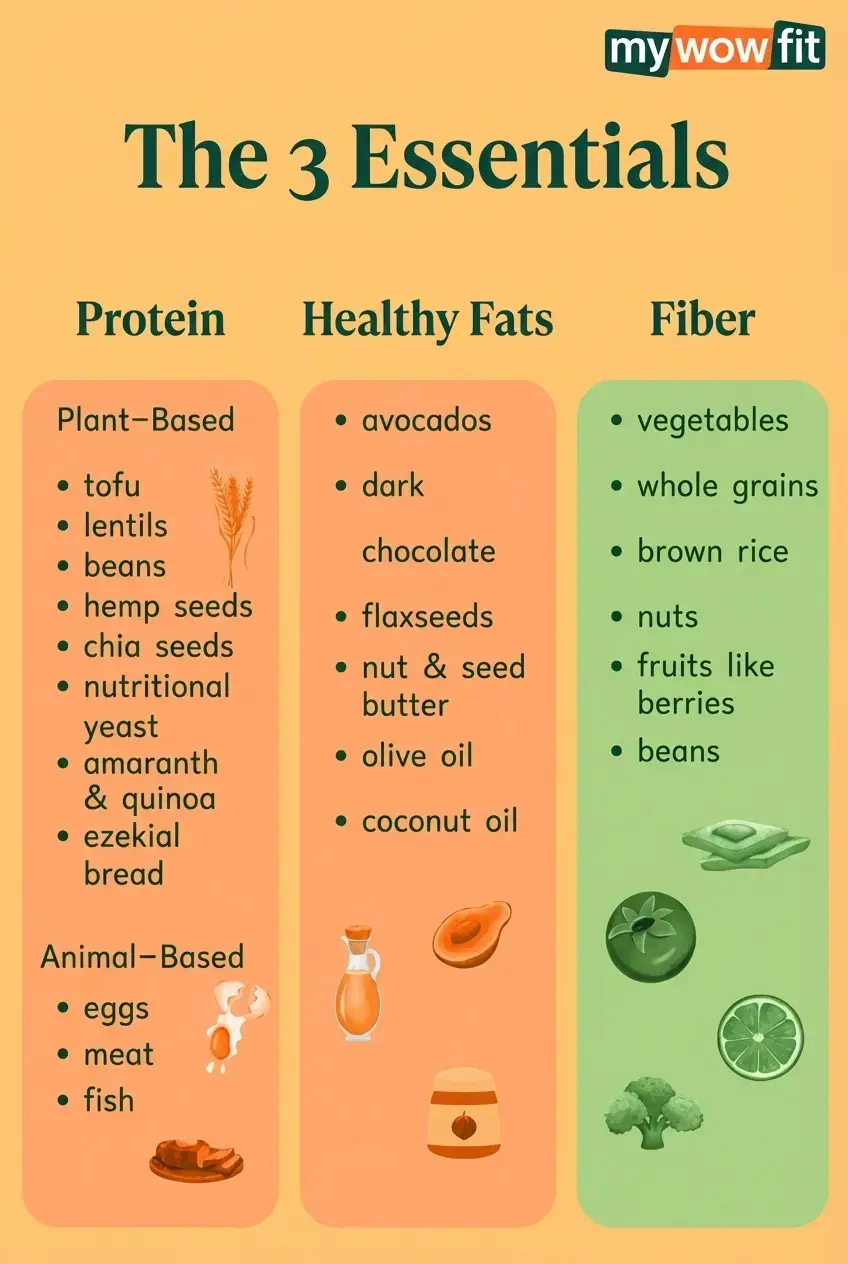
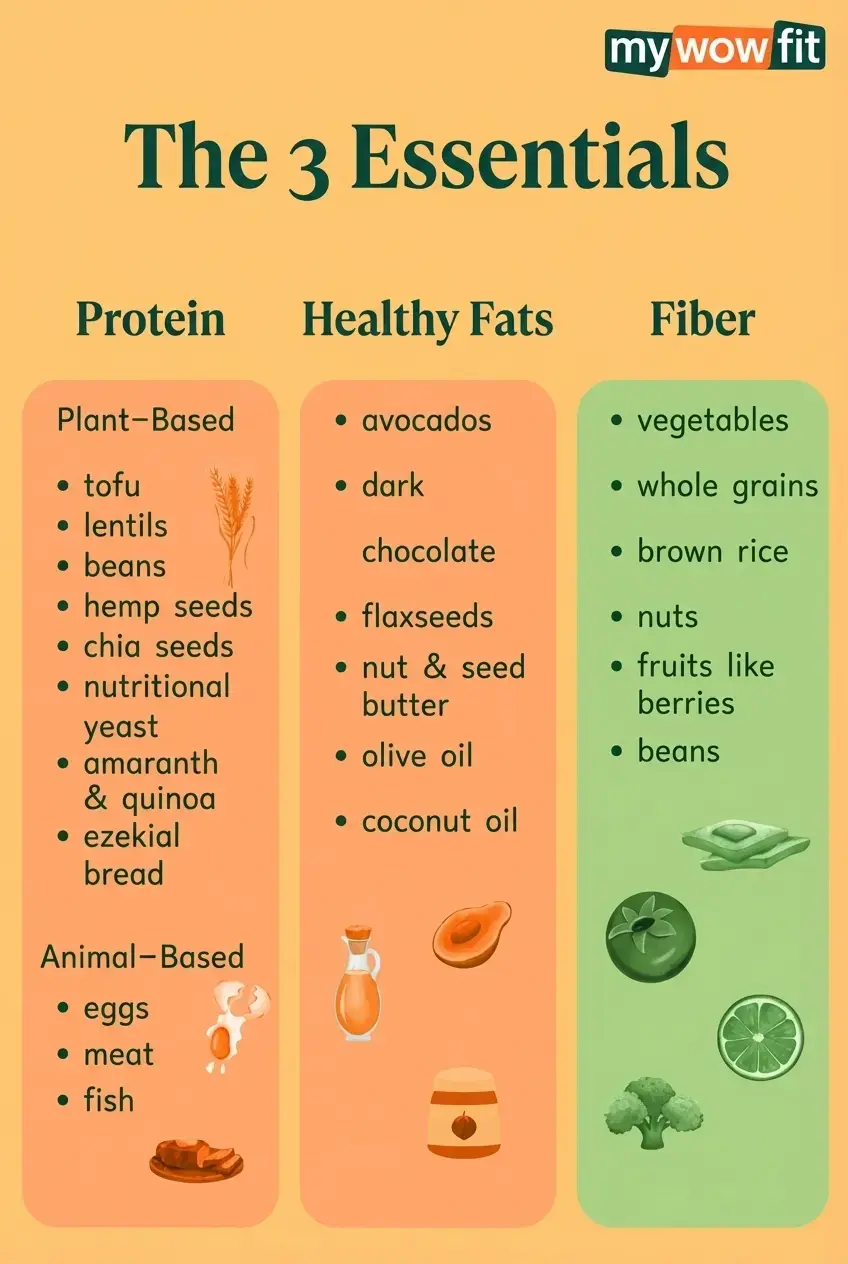
🥗 Meal composition: You can’t just eat junk food and hope it magically transforms into muscle; a diet rich in protein, complex carbs, and healthy fats is crucial for building and maintaining muscle, while also aiding in fat loss. The key here is to understand your caloric intake.
Measuring Progress Beyond the Scale
Alternative Progress Metrics
Measurements: Tracking your waist, hip, and chest measurements can give you a more objective way of monitoring your progress, as well as monitoring the specific areas where changes are occurring. If you’re losing inches, you’re definitely heading in the right direction.
Performance: How well can you perform a certain exercise? Are you able to lift more weight? Can you run for longer? Increased strength and endurance are powerful indicators of progress, and should also be factored in. These improvements show how your overall fitness is evolving. It’s important to focus on your body transformation as a whole, rather than just the number on the scale.
When to Be Concerned
Rapid and consistent weight gain: If you’re gaining weight rapidly and consistently, despite being consistent with your workout plan, then it may be a sign of an underlying health issue.
Extreme fatigue: If your workouts are leaving you completely wiped out and struggling with low energy on a regular basis, it’s a sign you may be pushing your body too hard.
Changes in appetite: Significant increases or decreases in your appetite can also be a sign that something is not quite right.
Pain or injury: If you have pain, or feel that you have an injury from exercising, it’s really important to allow your body to recover. Do not exercise through pain.
Optimizing Your Workout Results
Training Adjustments
Vary your workouts: Introducing variety into your routine is really important. By changing the type and intensity of your workouts, you will avoid plateaus and will continue to challenge your body.
Rest and recovery: Your muscles grow during rest, so make sure you get the required rest days to avoid burnout. It’s just as important to rest as it is to exercise. This is also important for optimal muscle repair. [5]
1-on-1 Workouts & Custom Fitness Plans with Online Personal Trainer
Nutrition Strategies
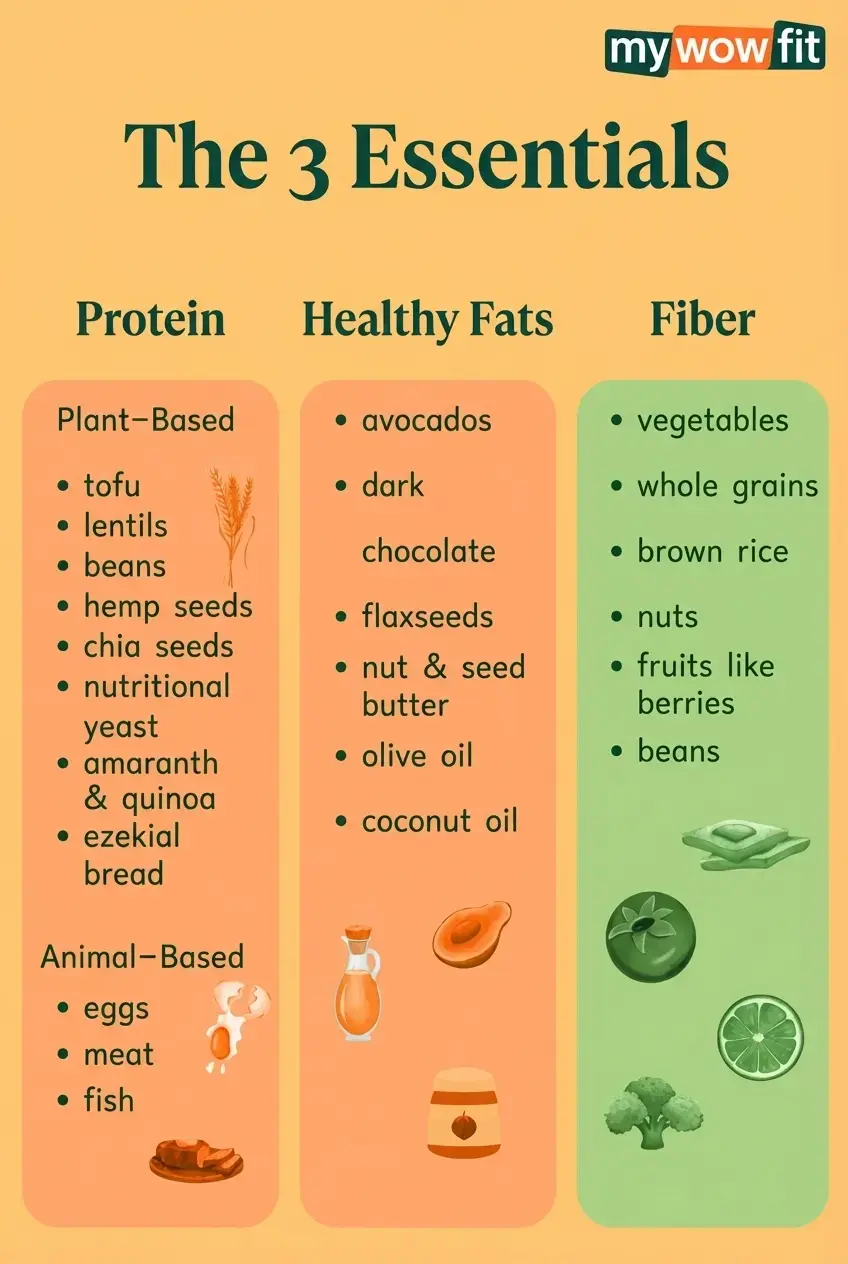
Protein intake: Make sure you’re consuming enough protein to support muscle development and repair. Protein is the building block of muscle, so you can’t afford to go without it. You need this for effective protein synthesis.
Carbohydrates: Choose complex carbohydrates for sustained energy. They are your body’s primary fuel source for energy during exercise.
Healthy fats: Include healthy fats in your diet for hormone balance and overall health. They are a key component in maintaining a balanced approach.out too. [6]
Summary
“Why am I gaining weight while working out?”
The answer is usually simple: your body is adapting.
Weight fluctuations during exercise can come from:
• muscle growth
• water retention
• glycogen storage
• improved circulation
• temporary inflammation
The scale doesn’t always reflect the full story.
Real progress shows up in:
• strength
• endurance
• energy levels
• body composition
• how your clothes fit
Fitness is a long-term process. Stay consistent, focus on sustainable habits, and trust the changes happening inside your body.
Looking to go further with your fitness? If you’re ready for extra support, a structured plan, and real-time expert feedback, consider guided solutions like Mywowfit. Having a certified trainer focused solely on you can make all the difference—keeping your workouts safe, personalized, and results-driven.
Here’s how training on your own compares to working with a professional:


Key Takeaways
• Muscle is Your Friend: If you’re experiencing gaining weight while working out, remember that muscle is denser than fat, and a little extra weight is not a bad thing. It increases your metabolism.
• The Scale Isn’t Everything: Focus on other measures of progress, like photos, measurements, and performance improvements. These will help you monitor your overall fitness progress.
• Diet Matters: Pay attention to your caloric intake, protein synthesis, and choose whole, nutrient-rich foods to support your workouts.
• Be Patient and Consistent: Real body transformation takes time, so keep at it, stay consistent, and trust the process. And if you’re working out but gaining weight, focus on all the factors discussed.
• Listen to Your Body: If you notice red flags such as consistent weight gain from working out, extreme fatigue, or pain, be sure to seek professional guidance.
• You’ve Got This: Now you know why do i gain weight when i exercise and how to approach these challenges. You’re now equipped with the knowledge to make informed choices about your fitness journey.
FAQ
Yes, it’s totally normal to see some gaining weight working out after starting an exercise program, particularly if you’re new to strength training. This is often due to muscle gain, water retention, and other physiological changes that happen when you start working out. It’s not a sign that you are doing anything wrong, but it’s your body adjusting to change. This is common with people who are gaining weight after starting to workout.
Is it normal to gain weight before losing?
Yes, it’s possible to gain some weight initially before you start seeing a decrease on the scale. This is often a result of water retention and muscle gain, but it is not necessarily indicative of fat gain. Don’t get discouraged if you see the scale go up at first, keep going, and you will see results! It’s a really common experience for people starting a new exercise regime. Remember that” is it normal to gain weight while working out”, and the answer is a yes.
How long does temporary weight gain after exercise last?
Temporary weight gain from working out, often due to water retention, typically lasts for 24 to 72 hours after exercise. After this time, your body will start to adjust and your weight will settle back down. Don’t worry if the scale fluctuates during this period, it’s all completely normal. Be patient with the process.
Why is my belly fat increasing after working out?
It’s unlikely that your belly fat is actually increasing after working out. If you feel this is the case, it is usually related to either an increase in your caloric intake or water retention. If you feel this is happening, then it is important to re-evaluate your diet and exercise plan. It might also be related to bloating, rather than a real increase in body fat. It’s best to take photos and measurements to really understand what is happening. It’s always worth remembering “why am i gaining weight when i exercise”, and reviewing your own process objectively. It’s also worth noting that” can gaining muscle make you gain weight? “, and the answer is yes.
Responses (4)
National Library of Medicine. National Center for Biotechnology Information (PudMed) - pubmed.ncbi.nlm.nih.gov
PubMed - How many times per week should a muscle be trained to maximize muscle hypertrophy? A systematic review and meta-analysis of studies examining the effects of resistance training frequency
Journal of Strength and Conditioning Research - The Mechanisms of Muscle Hypertrophy and Their Application to Resistance Training - journals.lww
Photo
You may also be interested
Meet some of our trainers

All rights reserved


How it Works
Trainers
Pricing
Blog
FAQ
Gift Certificate
Referral Program
Work with Us
Affiliate Program
Terms of Service
Code of Conduct
Disclaimer of Medical Advice
Cancellation, Refund, Referral Policy
Services


USA, 1111B S Governors Ave #6047 Dover, DE 19904, Online Fitness Technologies INC
EU and UK: MYWOWFIT OU, Estonia, Harju maakond, Tallinn, Kesklinna linnaosa, Tornimäe tn 3 // 5 // 7, 10145





Share via