
Complete Guide to Exercise During Menopause
When your body feels different every day, staying active can feel challenging. Even simple movement can feel like climbing a mountain. A lot of us know what it’s like to be told that movement will help, only to find that every resource defaults to advice that assumes you’re supplementing with hormones, which leaves you stuck before you’ve even started.
But here’s the important truth: the right menopause fitness routine can help manage symptoms, protect your bones, stabilize mood, and maintain strength and energy. Instead of avoiding movement, the goal is to adapt your approach to exercise during menopause so that it works with your body and not against it, without waiting for a perfect plan or for your energy to magically return.
This guide takes a practical look at how to approach exercise during menopause. We will explore the hormonal shifts that influence your body, discuss the types of workouts that are most beneficial, and explain how to build a sustainable perimenopause workout plan that doesn’t require you to live in a gym or push through joint pain that feels impossible.
table of contents
Exercises to Avoid During Menopause
Optimal Exercise Types for Menopause
Creating Your Menopause Workout Plan
Nutrition and Recovery
Tracking Progress and Adjusting
Common Challenges and Solutions
Expert Tips and Success Stories
FAQ section
Summary
Key Takeaways: Menopause & Motion
Understanding Exercise Needs During Menopause
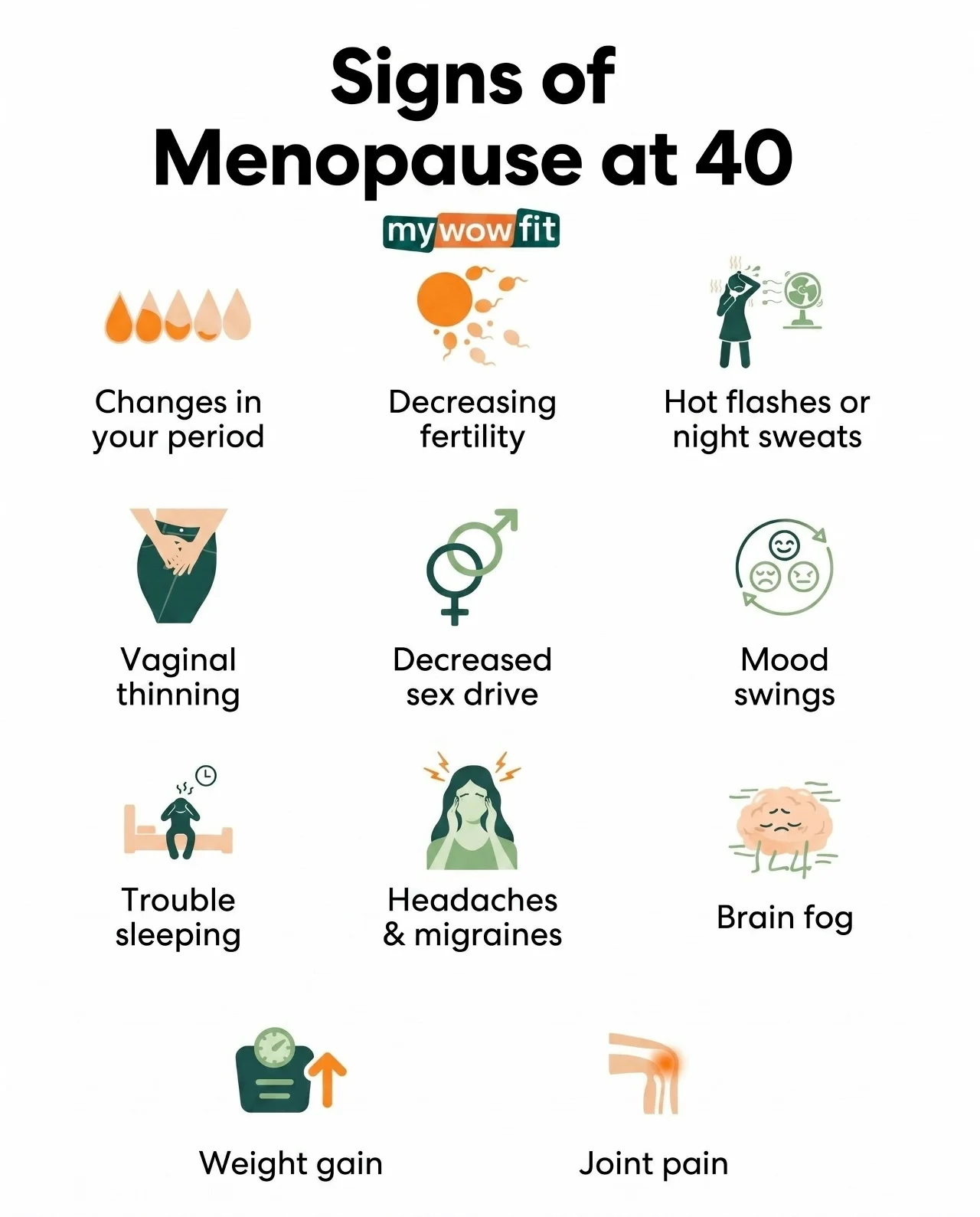
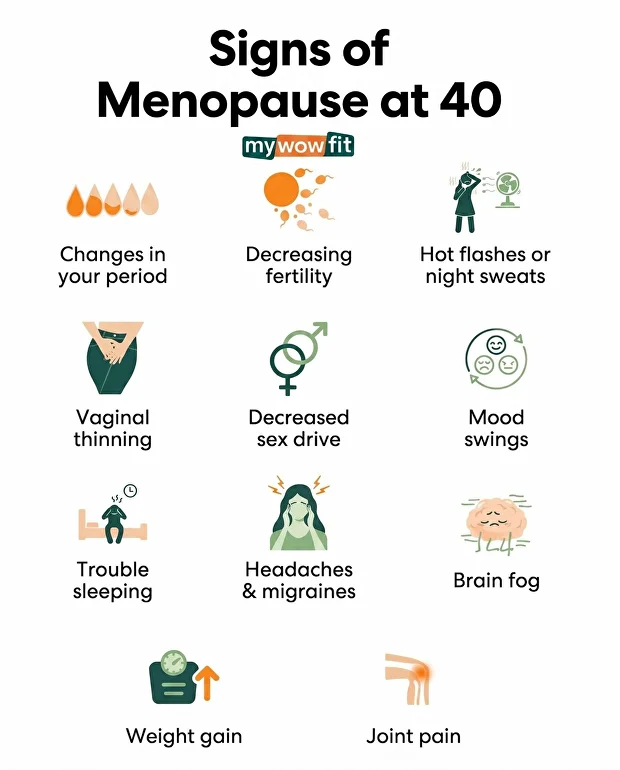
Menopause is often described as a hormonal rollercoaster, and that description isn’t far from the truth. As estrogen levels decline, the body begins to experience changes that affect several systems at once. Bone density may decrease, muscle mass can gradually decline, metabolism often slows, and mood regulation can become more sensitive. Many of us notice that our joints suddenly demand attention in a way they never did before, and that simple stiffness can feel like a betrayal from a body we used to trust.
These hormonal changes make exercise during menopause particularly important. Physical activity plays a crucial role in maintaining strength, protecting bone health, and supporting cardiovascular function. It also helps regulate stress and improves sleep, which are both essential during this stage of life. What rarely gets mentioned in the early days is that strength training in particular is practically non-negotiable for keeping your joints happy when estrogen steps back, a truth that many women end up discovering far later than they wish they had.
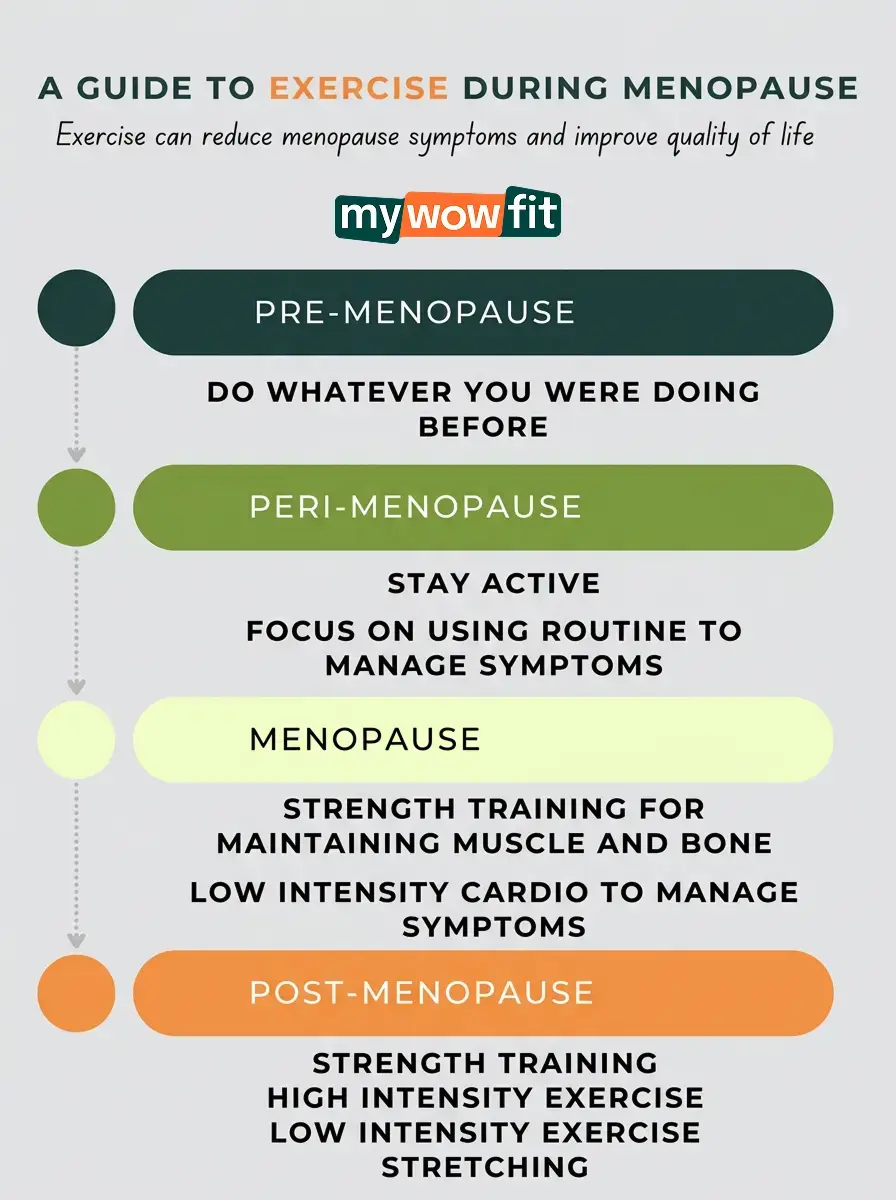
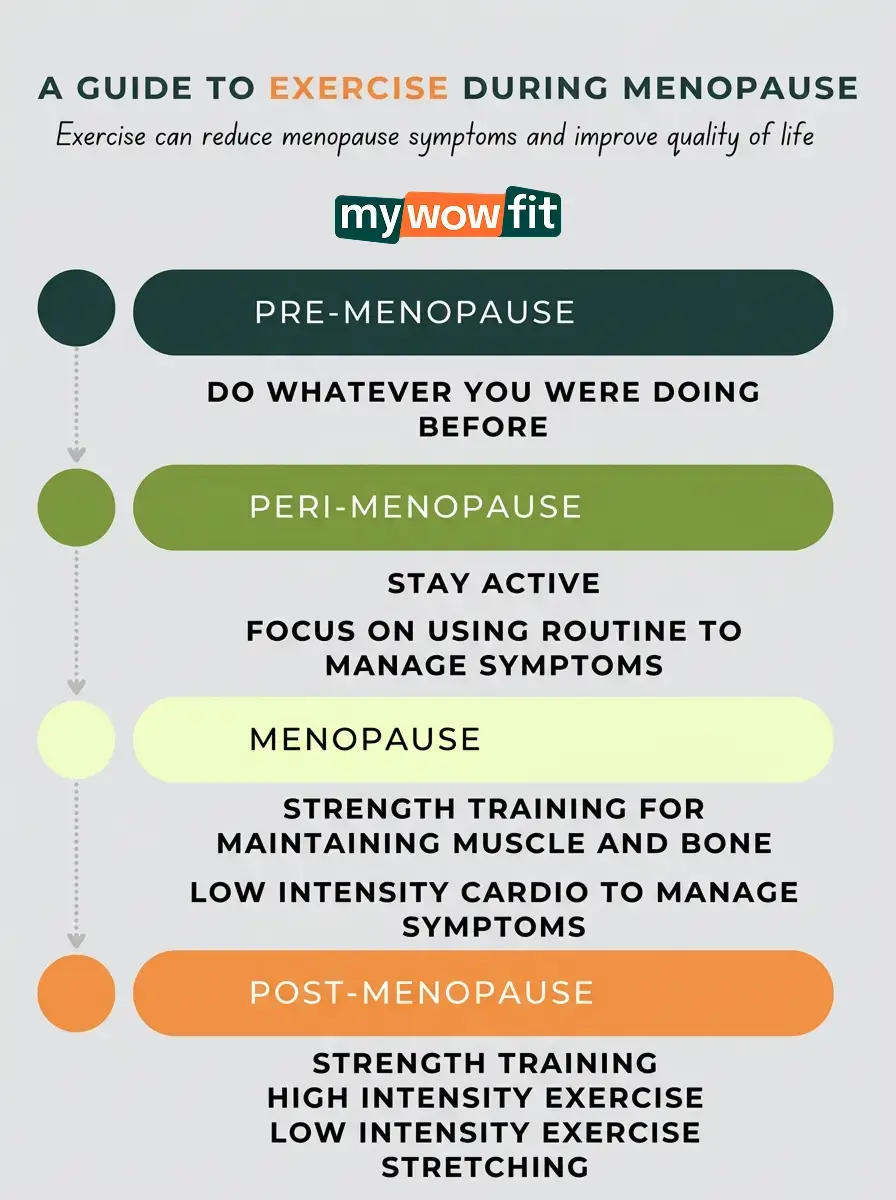
At the same time, exercise during perimenopause and menopause rarely looks exactly the same as it did earlier in life. Workouts may need to be adjusted to match the body’s current needs. Intensity, frequency, and recovery time often require thoughtful planning. That is why creating a balanced perimenopause workout plan becomes essential, and why so many women have started setting aside the high-impact routines that used to work in favor of something that actually supports where their body is right now.
Rather than thinking of these changes as limitations, it can be helpful to see them as a strategic shift. A menopause fitness routine that focuses on strength, mobility, and recovery can be just as effective as high-intensity workouts from earlier years—sometimes even more so. The women who have been through this often talk about starting with a simple set of five- and eight-pound dumbbells and a few minutes of bodyweight movement, and then slowly building confidence from that quiet beginning.
Many women also wonder whether exercise can delay menopause. While regular activity cannot stop menopause from happening, it can make the transition significantly easier by improving overall health and reducing symptom severity. The goal shifts from delaying a biological process to making sure you feel steady and capable inside the process, and that starts with a kind of movement that doesn’t demand more than you have to give on any given day.
Exercises to Avoid During Menopause
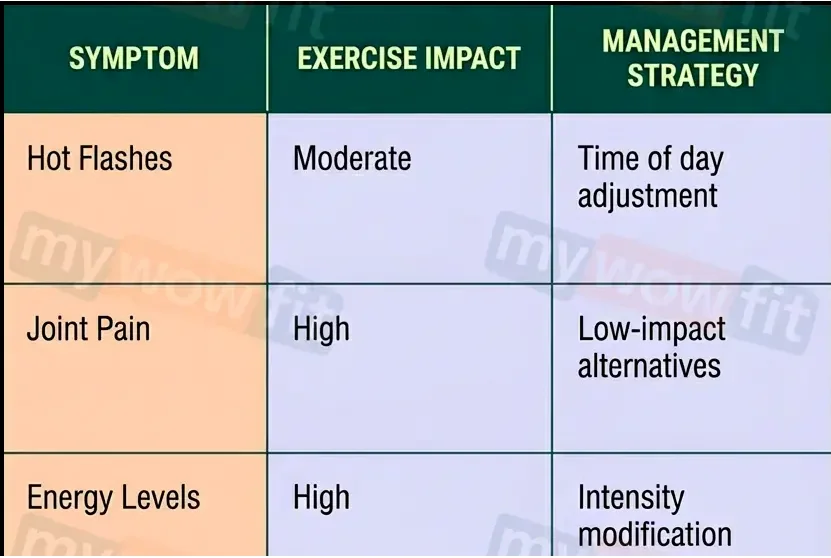
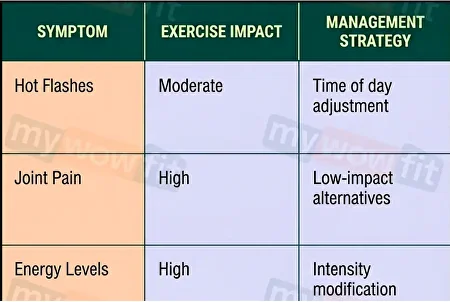
High-impact workouts are often the first category to reconsider. Activities that involve repeated jumping or explosive movements, such as burpees or intense plyometric exercises, can place extra pressure on joints that may already be sensitive due to hormonal changes. Over time, this strain may increase the risk of joint pain or injury.
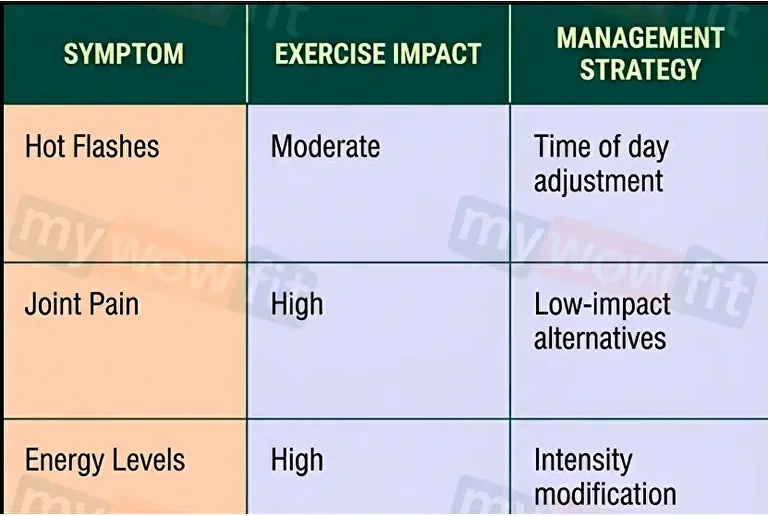
Extremely intense cardio sessions can also be challenging for some women. Long periods of high-intensity exercise, especially in hot environments, may trigger hot flashes or increase fatigue. When the body is already adjusting to hormonal fluctuations, pushing too hard can sometimes do more harm than good.
That does not mean you need to stop exercising or avoid challenging workouts entirely. In most cases, small modifications are enough to create a more sustainable approach. Running, for example, can be replaced with power walking or cycling. Heavy lifting can be adjusted into controlled resistance training for menopause, focusing on proper technique rather than maximum weight. Even yoga classes can be adapted by choosing gentler sessions instead of heated environments.
These adjustments allow you to remain active while protecting joint health and managing energy levels more effectively.

Tatjana’s training is designed to enable you to feel confident and capable in your own body. Tap into her energy today and begin your journey now!
Optimal Exercise Types for Menopause
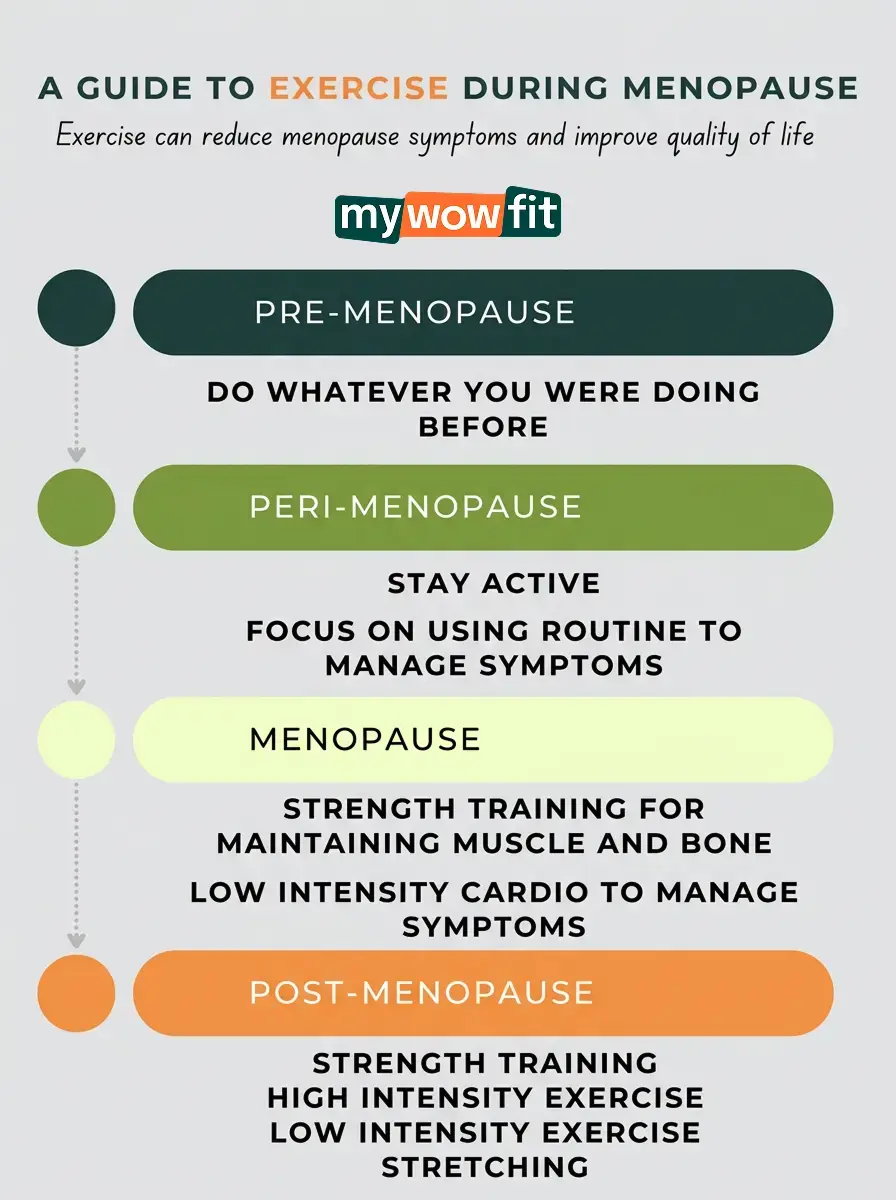
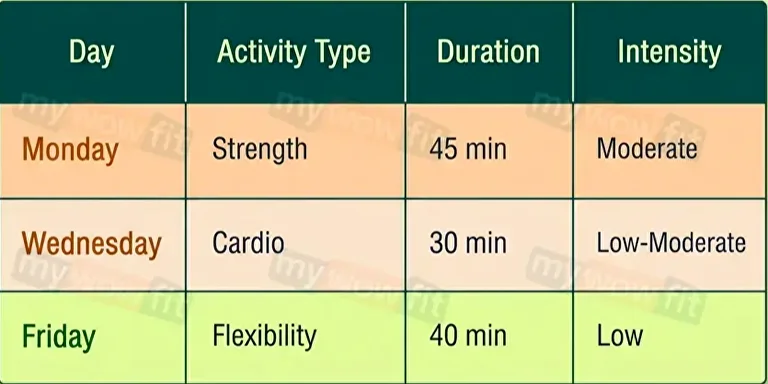
Now for the part that actually moves the needle, planning a perimenopause workout that fits both your life and the joints that have been asking for a different kind of attention lately. So many of us realize later than we wish that strength training becomes non-negotiable when estrogen steps back, and the full picture also pulls in the kind of steady cardio that wakes up your metabolic rate without leaving you wiped out, all layered with the flexibility and balance work that stops the nagging tightness from turning into something that sidelines you. This is exactly where you will start to see that shift in your metabolism, and we are about to map out exactly what that looks like for you.
Strength Training
Aiming for two or three sessions a week that wake up your legs and back and chest and arms and shoulders gives your body a full invitation to get stronger without pushing past what feels sustainable. You can use a pair of dumbbells or the resistance bands tucked in your closet or simply your own bodyweight when you are first figuring out where your baseline sits. Starting with a weight you can comfortably lift for ten to twelve clean reps lets you learn proper form before you add anything extra, and then you gradually increase the load or the reps or the sets as your body tells you it is ready. This kind of progressive loading keeps your joints safe while still building exactly the kind of strength that supports your bones.
Mywowfit steps into this process by matching you with a trainer who actually designs a perimenopause workout program around your specific needs instead of handing you a one-size-fits-all plan that ignores where your energy actually lives. You get real guidance on proper form and on how to layer in progressive overload through the Mywowfit app or through personal Zoom sessions that fit into your actual schedule. The trainers who work with you will hold you accountable and they will also show up to celebrate the small wins that stack up into a genuine transformation, which makes the whole journey toward better bone density and muscle mass feel far less lonely. Achieving your strength training goals with that kind of customized support really does simplify everything..
Vanessa
Shashi
Lina
Fernanda
1-on-1 Workouts & Custom Fitness Plans with Online Personal Trainer
Cardiovascular Exercise
Flexibility and Balance
When your joints feel stiff and unpredictable, holding gentle stretches for twenty to thirty seconds gives your muscles permission to release and your mind a moment to notice that you are still capable of moving with care. Focusing on the areas where tightness tends to live, like your hips or your lower back, turns these simple mobility exercises into a daily check-in with the body you are learning to trust again. Balance work matters just as much because the thought of falling becomes real when your body no longer feels like your own, and practicing something as simple as standing on one foot or walking heel-to-toe or moving through a slow yoga flow rebuilds a foundation of steadiness that soothes that quiet anxiety.
These practices round out the work you are already doing with strength and cardio and they remind you that tending to your joint health and your body awareness is what keeps you feeling steady and present as your body moves through this transition.
Creating Your Menopause Workout Plan
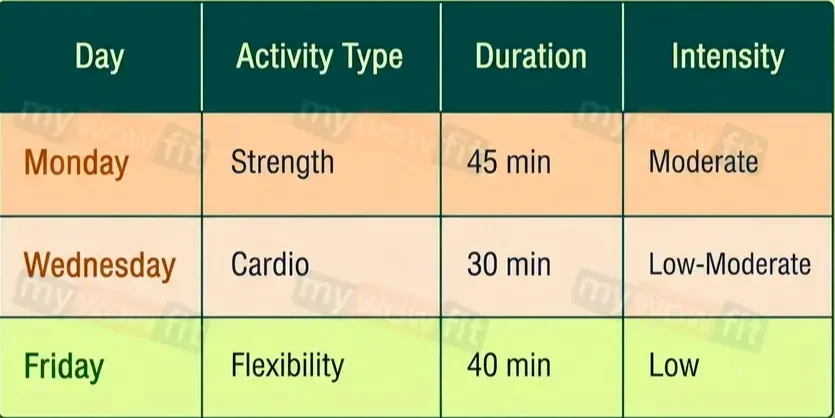
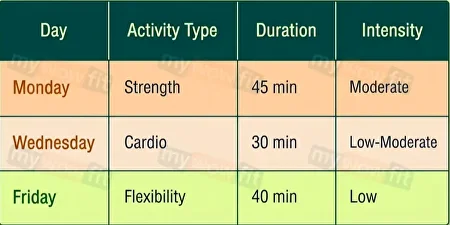
Aim for a balanced week that includes strength training for menopause, cardio, and flexibility/balance training work. You know about the best exercise for perimenopause and what your best exercise for perimenopause weight gain are! You can definitely expect to see changes to your bone density and muscle mass. This also helps in changing your metabolic rate.
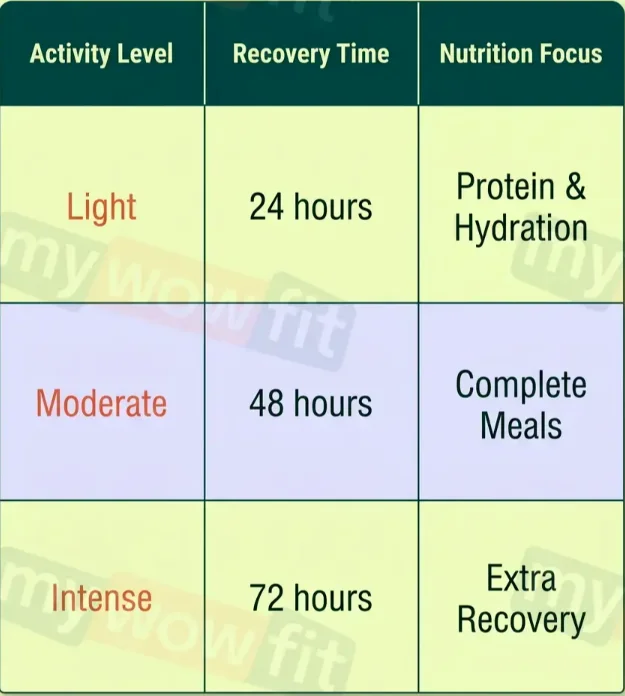
Combine different types of exercise to keep things interesting and challenge your body in new ways. Now that you know more about resistance training for menopause, you can implement it into your system. Track your progress and adjust as needed. Listen to your body and don’t be afraid to take recovery time days when you need them. What about seeing the best exercise for perimenopause weight gain? Look no further and make sure that the work outs are consistent! Also keep in mind what you have read here for the correct menopause fitness!
Nutrition and Recovery
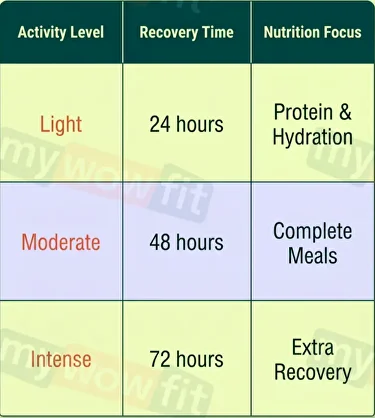
Time your meals and snacks strategically around your workouts. Aim to eat a combination of protein and carbohydrates both before and after exercise. This will help with the effects of resistance training for menopause. 4
Stay hydrated by drinking plenty of water throughout the day, especially before, during, and after exercise. Prioritize sleep: aim for 7-9 hours of quality sleep quality each night to allow your body to recover and repair. Nutrition and recovery time go hand in hand with strength training and menopause. You are on the way to get results for that menopause strength training!
Tracking Progress and Adjusting
Imagine having a certified personal trainer specializing in weight training for menopause, right at your fingertips, guiding you through every rep, every set, and every milestone. With Mywowfit , that dream becomes a reality. Whether you prefer the convenience of training through the Mywowfit app or the personalized interaction of 1-on-1 Zoom sessions, you can connect with fitness experts who understand the unique needs of women during perimenopause and beyond. They will provide you with everything that will help you on that weight training for menopause journey.


1-on-1 Workouts & Custom Fitness Plans with Online Personal Trainer
Common Challenges and Solutions
Menopause has a way of throwing you off balance just when you thought you had a handle on your body, and that unsettling feeling of not recognizing your own energy or mood is exactly what makes you wonder whether exercise can actually reach deep enough to help. The question sits there because you need to know that the effort you are pouring into strength training and into checking your bone density will lead you toward a version of fitness that holds up under the weight of everything that is changing.
When motivation slips away it often comes wrapped in loneliness, which is why finding an accountability partner or a trainer or a class full of women who understand the same exhaustion can turn a scheduled workout from a dreaded appointment into a lifeline. Putting those sessions on your calendar and protecting them like a promise you made to yourself helps quiet the inner voice that says you are too tired to matter.
Learning to read your own energy instead of fighting against it is one of the hardest but kindest shifts you can make, because pushing through deep fatigue only deepens the frustration and taking a rest day or choosing a gentle stretch can feel like failure until you realize it is actually wisdom. That is how you begin to trust that movement can support you without draining you further.
Staying tuned in to the symptoms your body is sending allows you to adjust in real time and keep going without spiraling into fear that perimenopause weight gain is winning, and every small step forward quiets the worry that you are doing it all wrong. This is how you slowly find the approach that lets you feel capable and steady on a journey that often feels anything but straightforward.
Expert Tips and Success Stories
- Experts in women’s health emphasize that exercise strategies often need to shift during menopause. Exercise physiologist Dr. Stacy Sims explains that workouts should focus on supporting hormonal balance and preserving muscle mass rather than relying solely on high-intensity routines.
- Medical organizations such as the Mayo Clinic also highlight the role of exercise in managing menopause symptoms. Regular physical activity helps regulate mood, improve sleep quality, and maintain a healthy weight. These benefits make exercise one of the most effective tools for maintaining well-being during menopause.5
FAQ section
- What type of exercise is best for menopause? A combination of strength training for menopause, cardio, and flexibility exercises. Make sure that you keep that phrase ” does exercise help menopause?”
- What exercises get rid of menopause belly? Strength training for menopause and high-intensity interval training (HIIT) can help burn fat and build muscle mass. Now that you know what to look for, ” does exercise help menopause?”
- How can I stay fit during menopause? Prioritize consistency, listen to your body, and make adjustments as needed. Now that you know more about hormonal changes, you can see the changes that will come.
Summary
Take a look at what becomes possible when you stop trying to figure it all out alone and instead move forward with a coach who knows how to help your body feel like home again:
Key Takeaways: Menopause & Motion
- Menopause Isn’t the End, It’s a New Beginning (Fitness-Wise!): Think of it as a software update for your superhero body. Time to recalibrate, not retreat!
- Hormones are Having a Party (and Sometimes a Rager): Understand how plummeting estrogen affects everything from bone density and muscle mass to your mood regulation and make adjustments
- Strength Training: This is your secret weapon for building muscle mass, strengthening bone density, and boosting your metabolic rate. Time to embrace your inner weightlifter (safely, of course!). And now you can see if ” does exercise help menopause?”
- Know Thy Limits (and the Exercises to Avoid): High-impact activities and intense cardio can sometimes trigger hot flashes and exacerbate joint health issues. Modify, adapt, and find what works for you.
- The Perimenopause Workout Plan: It’s All About YOU: There is no right way and wrong.
- Movement is Medicine (But Not a Miracle Cure): Regular exercise can ease menopause symptoms, boost your mood, protect your heart, and strengthen your bones.
- Adapt, Adapt, Adapt (It’s the Name of the Game): As your body changes, your fitness routine should evolve. Listen to your body, be flexible, and don’t be afraid to tweak your plan. This is the key thing for everything in menopause fitness.
- Mindset Matters (More Than You Think): Cultivate a positive attitude, celebrate your progress, and remember that every step forward is a victory. Because exercise delay menopause with the right mindset.
- Fuel Your Body Right: Don’t expect a Ferrari to run on cheap gas! It is important to nurture it!
- You Are Not Alone (Join the Tribe!): Connect with other women, find a workout buddy, and enlist the help of a fitness professional. Support and encouragement can make all the difference. To help you on that menopause strength training journey.
- It’s Not Just About Fitness; It’s About Living Your Best Life: Menopause can throw curveballs but you will get that symptom management taken care of! It’s about unlocking your inner potential, discovering your strength, and creating a future where you feel confident, energized, and empowered. Also knowing ” does exercise help menopause?”
Responses (6)
Love the reminder that it’s not about pushing harder, but working smarter. I needed that
- Tissue-specific effects of loss of estrogen during menopause and aging - frontiersin.org
- The Efficacy of Strength Exercises for Reducing the Symptoms of Menopause: A Systematic Review - pubmed.ncbi.nlm.nih.gov
- Menopause and Exercise - journals.lww.com
- Nutrition and menopause - nutrition.org.uk
- Women’s Wellness: Fitness tips for menopause - newsnetwork.mayoclinic.org
1-on-1 Workouts & Custom Fitness Plans with Online Personal Trainer
You may also be interested
Meet some of our trainers
" I'm committed to bringing aboard top-tier trainers to provide the best personal training service in the world. I will help you find your perfect match."

All rights reserved


How it Works
Trainers
Pricing
Blog
FAQ
Gift Certificate
Referral Program
Work with Us
Affiliate Program
Terms of Service
Code of Conduct
Disclaimer of Medical Advice
Cancellation, Refund, Referral Policy
Services


USA, 1111B S Governors Ave #6047 Dover, DE 19904, Online Fitness Technologies INC
EU and UK: MYWOWFIT OU, Estonia, Harju maakond, Tallinn, Kesklinna linnaosa, Tornimäe tn 3 // 5 // 7, 10145





Share via