
Barre vs Pilates: A Comprehensive Comparison Guide for Fitness Enthusiasts

Both workouts have loyal fans, beautiful studios, and a reputation for creating long, lean muscles. At first glance, they can even seem similar. Slow movements, controlled exercises, low-impact training, so what’s the real difference? The truth is, Barre and Pilates may share a few similarities, but they feel very different once you step into the class. One leaves your legs shaking after tiny pulsing movements. The other has you focusing on breathing, posture, and deep core strength in ways you never expected. Neither workout is “better.” It really comes down to what your body needs, what motivates you, and what kind of movement you genuinely enjoy enough to stick with.
So before you book your next class, let’s break down what Barre and Pilates actually are, how they work, and what kind of results you can realistically expect from each one.
table of contents
Understanding the Basics
A lot of people compare Barre and Pilates because they want similar results: a toned body, better posture, increased flexibility, and improved overall fitness. But the way each workout gets you there is completely different. Barre tends to create a faster muscle burn with high repetitions and pulsing movements, while Pilates focuses on precision, breathing, and deep muscle engagement. The “better” workout really depends on your goals and the kind of movement you enjoy most. Some people love the energetic, fast-paced feel of Barre, while others prefer the slower, more mindful approach of Pilates. Both can be incredibly effective when done consistently.
Choosing between pilates and barre is a great first step, but truly transforming your body and achieving your fitness goals requires consistent effort and dedicated support. You can choose online pilates trainer via Mywowfit, 1-on-1 virtual workouts connect you with online personal trainers via Zoom who are passionate about helping you reach your potential. We will also help you build long term habits that will stick, and they will be there to support you every step of the way. With Mywowfit you develop a routine that combines the perfect balance of both methods or focuses on one, depending on your needs.
1-on-1 Workouts & Custom Fitness Plans with Online Personal Trainer
What is Barre?
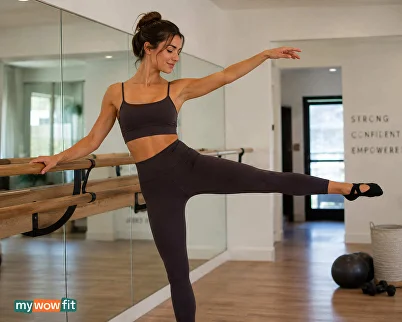
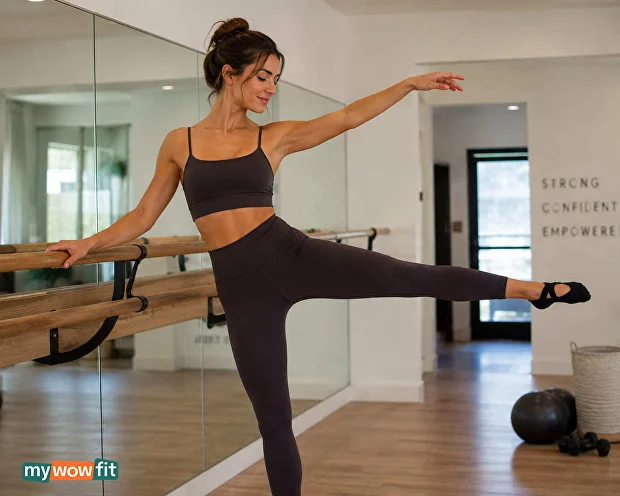
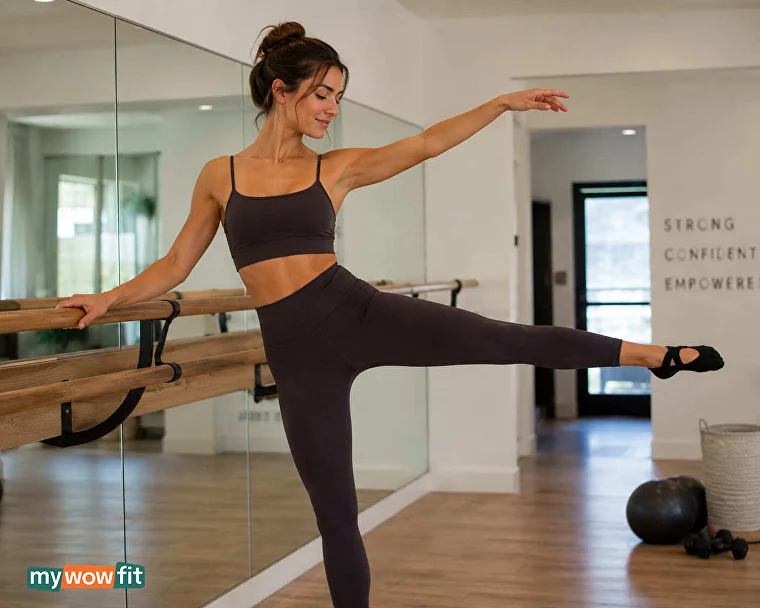
Barre is a workout inspired by ballet training, but don’t worry, you do not need dance experience to survive a class. In fact, most people who try Barre have never stepped into a dance studio before. A typical Barre class combines elements of ballet, strength training, Pilates, and sometimes even yoga. You’ll usually work at a ballet barre, but classes also include floor exercises, light weights, resistance bands, and bodyweight movements. What makes Barre unique is the focus on tiny, controlled movements. Instead of heavy lifting or intense cardio bursts, you’ll hold positions, pulse your muscles, and repeat small movements until your legs, arms, or glutes start trembling.
Don't worry the shakes are normal!
Barre targets muscle endurance rather than maximum strength. The movements may look simple from the outside, but after a few minutes of tiny pulses, your muscles quickly realize they’re working hard. Most Barre classes move at a fairly fast pace and are set to upbeat music, which gives them an energetic and motivating feel. Many people enjoy Barre because it feels less intimidating than a traditional gym workout while still delivering a serious challenge, also the ballet aesthetic is all the rage right now.
The workout is especially popular among people looking to tone their legs, strengthen their glutes, improve posture, and build flexibility without high-impact exercises. [1]
Barre Fundamentals
What is Pilates?
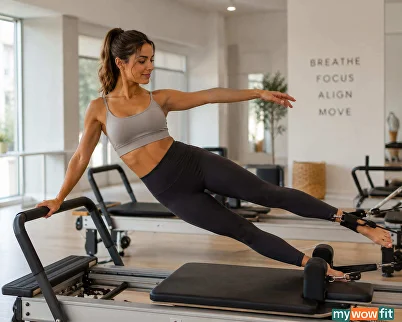
Pilates has a very different history and purpose. It was originally created as a rehabilitation and conditioning method designed to strengthen the body in a balanced, controlled way. At the heart of Pilates is the core. And when Pilates instructors say “core,” they don’t just mean abs. They’re talking about the deep muscles that support your spine, pelvis, posture, and overall movement. Pilates focuses heavily on alignment, breathing, balance, and body awareness. Every movement is meant to be intentional and controlled. Rather than rushing through exercises, the goal is to move with precision.
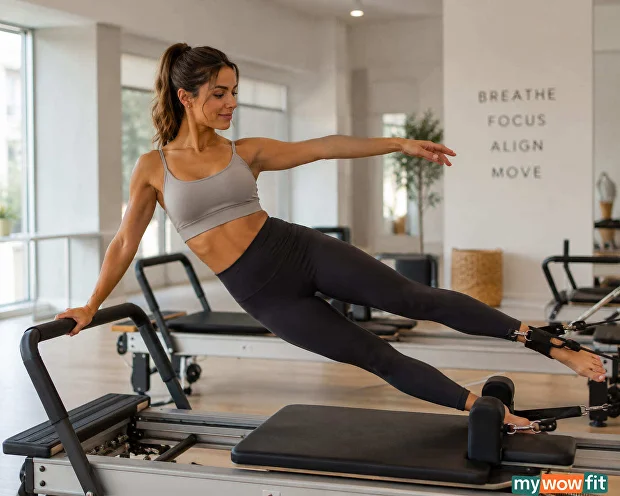
There are two main types of Pilates: mat Pilates and reformer Pilates.
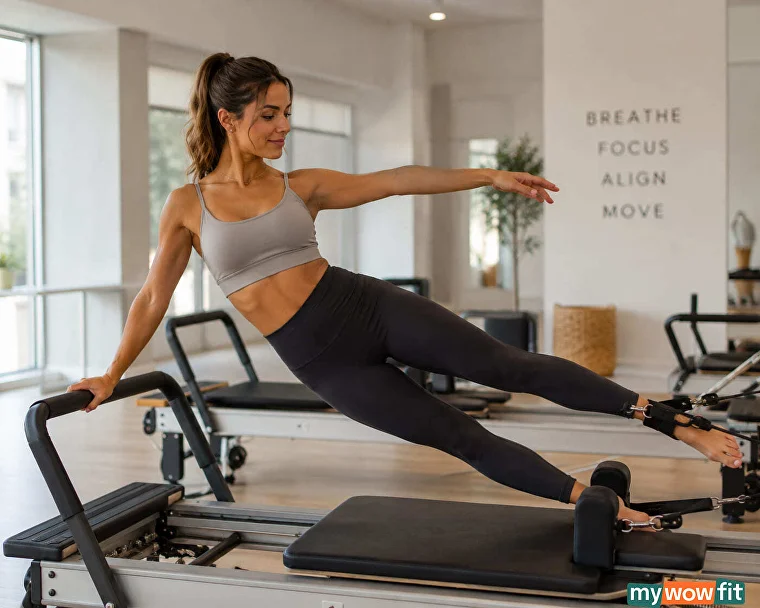
Mat Pilates uses body weight and small props like resistance bands or Pilates rings. Reformer Pilates uses a machine with springs and sliding platforms that add resistance and support. If you’ve ever seen a reformer machine, you probably thought it looked slightly terrifying at first. Surprisingly, many beginners actually find it easier on the body because the machine helps support proper movement. Pilates is often recommended for people recovering from injuries, improving posture, dealing with back pain, or building foundational strength. But it’s also challenging enough for athletes and experienced fitness enthusiasts. Instead of leaving class breathless and sweaty, Pilates usually leaves people feeling stronger, taller, and more connected to their bodies.
Pilates Principles
The Biggest Difference Between Barre and Pilates
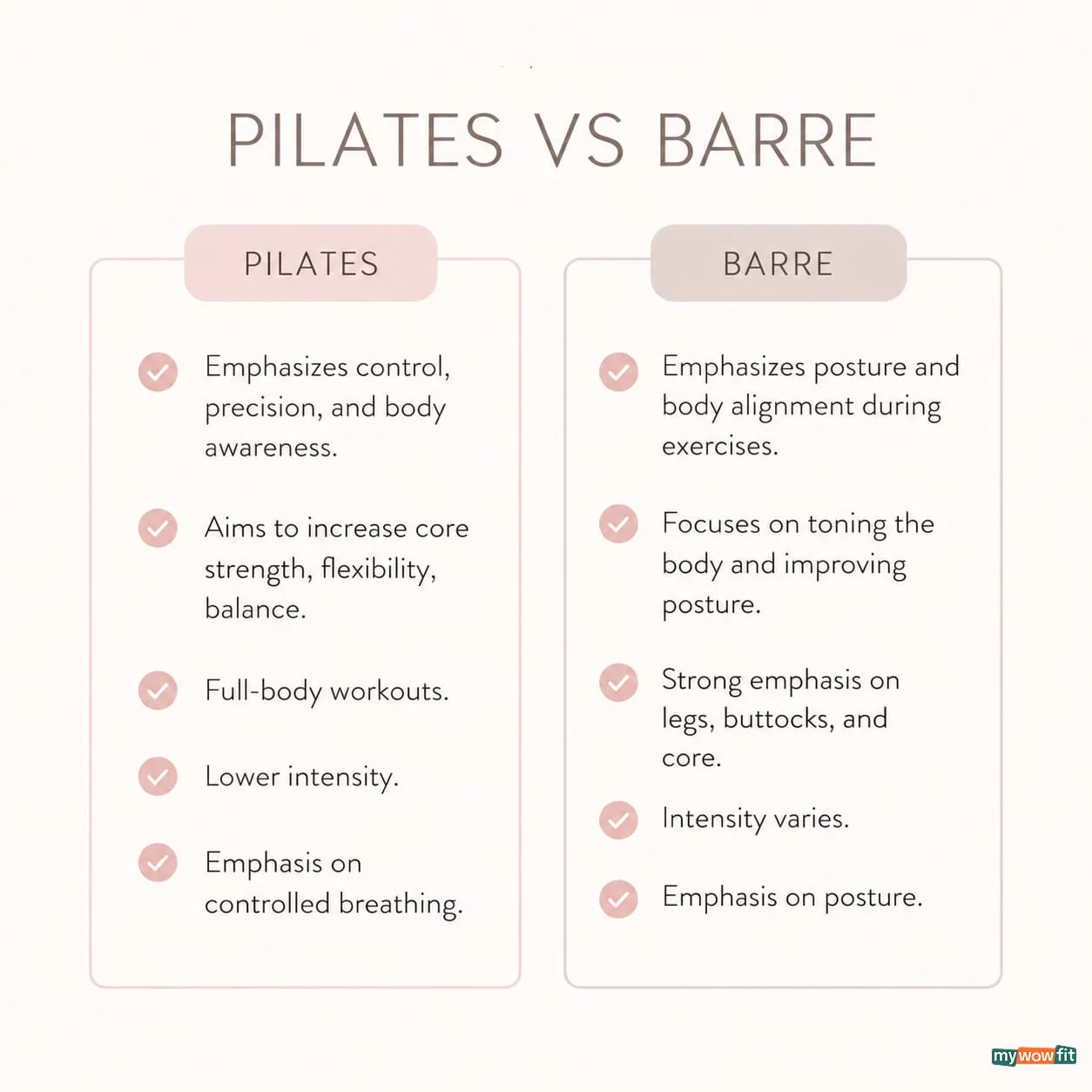
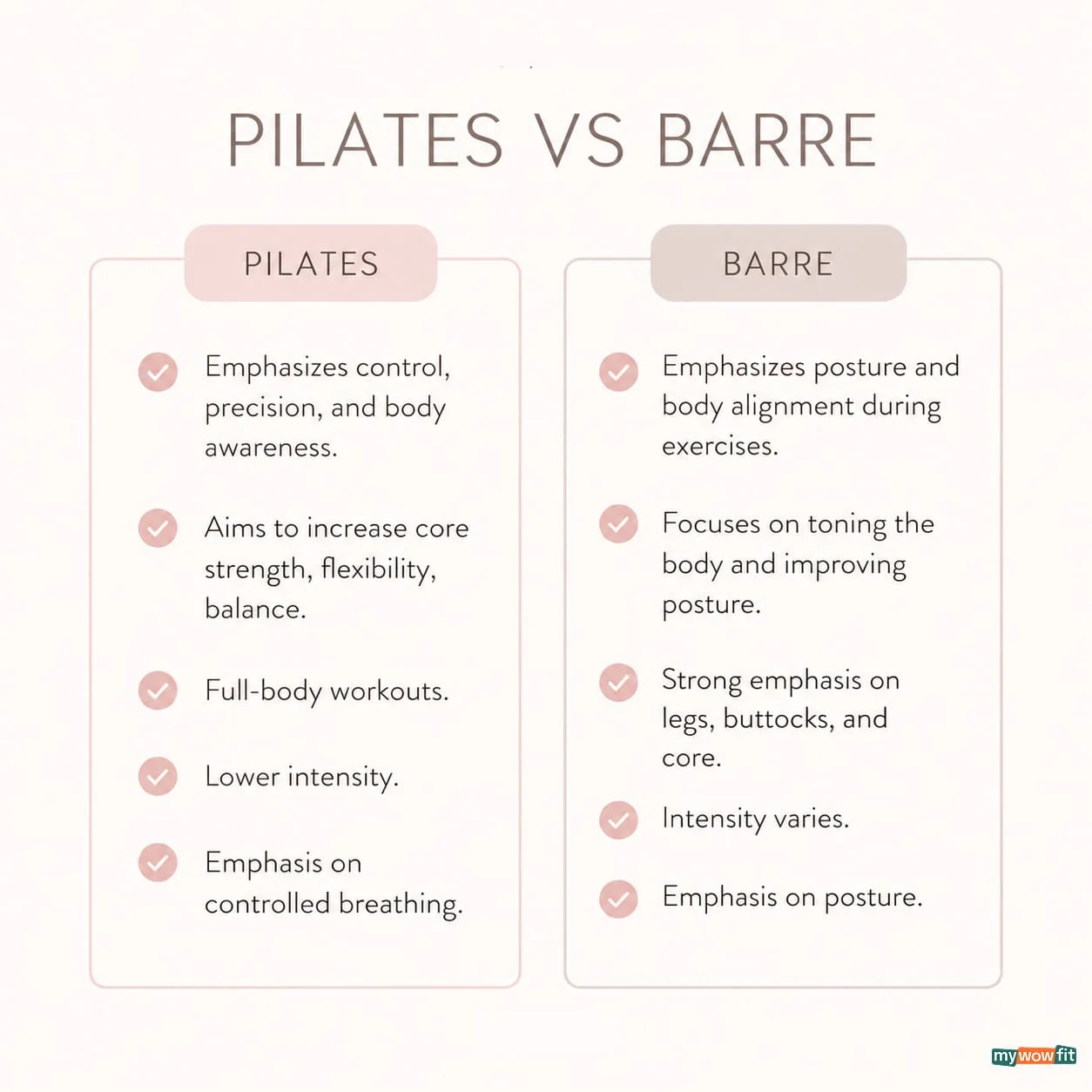
Barre is about muscular endurance and high repetition. Pilates is about controlled strength and alignment.
Barre classes often create a burn in specific muscle groups very quickly, especially in the thighs and glutes. Pilates focuses more on full-body control and deep stabilization muscles. Barre tends to feel more energetic and cardio-inspired. Pilates feels slower, more focused, and more technical. In Barre, you might spend several minutes pulsing in a squat position while your legs beg for mercy. In Pilates, you may spend that same amount of time slowly controlling one movement while focusing on breathing and spinal alignment.
Both workouts are low impact, meaning they’re generally gentler on the joints than running or high-intensity training. But the experience itself feels very different.
Cost and Accessibility
Virtual workouts have also made both methods much more accessible. Instead of commuting to a studio, many people now take classes from home using minimal equipment. This flexibility makes it easier to stay consistent, especially for people with busy schedules. Some online platforms, including Mywowfit, offer live one-on-one training sessions that combine personalized support with the convenience of working out at home. For people who feel intimidated by large group classes, this can be a more comfortable starting point.
1-on-1 Workouts & Custom Fitness Plans with Online Personal Trainer
Muscle Focus and Training Style
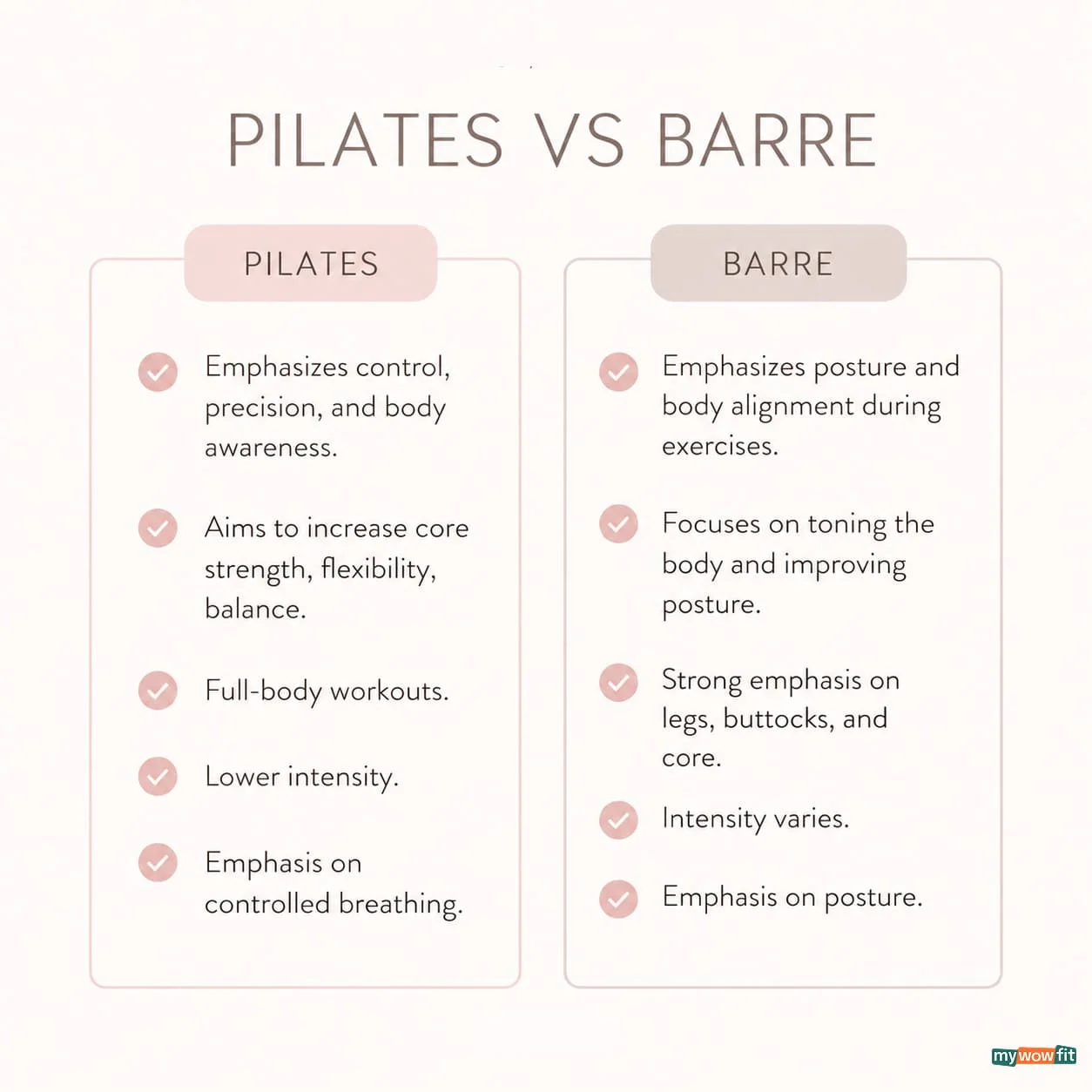
Because of these differences, Barre and Pilates feel completely different during a workout. Barre challenges endurance and muscle fatigue, while Pilates focuses more on control, stability, and body awareness. Neither is necessarily harder — it simply depends on your goals and the type of training you enjoy most. [3]
Making Your Choice
This section will help you to understand all the key factors that you need to take into consideration when making a choice. It will also highlight the best choice based on different fitness goals.

1-on-1 Workouts & Custom Fitness Plans with Online Personal Trainer
final thoughts
When it comes to Barre vs. Pilates, there’s no universal winner.
Both workouts strengthen the body, improve posture, increase flexibility, and build better body awareness. They simply take different paths to get there. Barre is energetic, challenging, and endurance-focused. Pilates is controlled, precise, and deeply connected to core strength and alignment.
The best choice comes down to what feels good for your body and what keeps you motivated enough to stay consistent. And if you try one class and don’t love it immediately, don’t write it off too quickly. Sometimes it takes a few sessions for your body to adjust and for the movements to start making sense. Fitness doesn’t have to be about punishment or chasing trends. Sometimes it’s simply about finding movement that makes you feel stronger, healthier, and more connected to yourself. Whether that happens through tiny Barre pulses or slow Pilates roll-ups, you’re still moving in the right direction.
Key Takeaways
Pilates: Rehabilitation-based, emphasizes core strength, body alignment, and a mind-body connection. Benefits include increased muscle activation, improved posture improvement, better range of motion and overall workout effectiveness, and a stronger core.
Cost & Accessibility: Both Barre and Pilates vary in cost, depending on the class type, instructor, and location. Reformer Pilates is usually more expensive because of the equipment, while online classes are often more affordable and flexible.
Personal Choice: The best workout depends on your goals and preferences. Barre is ideal for those who enjoy energetic, endurance-based training, while Pilates suits people looking for controlled, core-focused movement. Many people find that combining both works best.
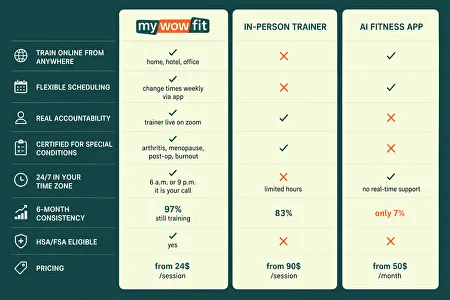
Mywowfit connects you with certified personal trainers for 1-on-1 sessions over Zoom—tailored to your goals, your pace, and your schedule. Enjoy the flexibility to train from anywhere, with expert guidance that keeps you consistent, safe, and on track.
Ready to train on your terms?
1-on-1 Workouts & Custom Fitness Plans with Online Personal Trainer
FAQ
There’s no universal winner when it comes to Barre and Pilates. Both workouts are effective, but they focus on different things and suit different fitness goals. Barre is ideal for people who enjoy energetic, ballet-inspired workouts that build muscle endurance and target areas like the legs, glutes, and arms. Pilates, on the other hand, focuses more on core strength, posture, alignment, and controlled full-body movement. The best choice really depends on what you enjoy and what you want from your workouts. Some people love the fast-paced burn of Barre, while others prefer the slower, more mindful approach of Pilates. Many people also find that combining both gives them the best results.
What kind of body does barre give you?
Barre is known for creating a lean, toned, and sculpted look, especially in the lower body. The small, repetitive movements help strengthen and define the legs, glutes, arms, and core without using heavy weights. Many people also notice improved posture, flexibility, and muscle endurance over time. Compared to Pilates, Barre tends to place more emphasis on the lower body, while Pilates focuses more evenly on full-body strength and core stability.
Is barre or Pilates better for toning the stomach?
Both workouts strengthen the core, but Pilates is usually considered more effective for targeting the stomach muscles. Pilates focuses heavily on deep core engagement, controlled movement, and breathing techniques that activate the abdominal muscles throughout the workout. Barre also works the core, but the focus is often more on muscular endurance and lower-body training. If your main goal is stronger abs and improved core stability, Pilates may be the better option. However, combining both workouts can create balanced, full-body results.
Is barre good for losing weight?
Barre can absolutely support weight loss by helping you burn calories, build lean muscle, and stay active consistently. While it may not burn as many calories as high-intensity cardio workouts, it still provides an effective full-body workout that improves strength and endurance. Like any fitness routine, results depend on consistency, nutrition, sleep, and overall lifestyle habits. Barre works best as part of a balanced approach to health and fitness rather than a quick fix.
Yoga Journal: This Is Why Pilates Is Everyone’s Latest Workout Obsession - yogajournal.com
National Library of Medicine. National Center for Biotechnology Information (PudMed): The effects of Pilates training on flexibility and body composition: an observational study - pubmed.ncbi.nlm.nih.gov
Photo
Responses (6)
You may also be interested
Meet some of our trainers

All rights reserved


How it Works
Trainers
Pricing
Blog
FAQ
Gift Certificate
Referral Program
Work with Us
Affiliate Program
Terms of Service
Code of Conduct
Disclaimer of Medical Advice
Cancellation, Refund, Referral Policy
Services


USA, 1111B S Governors Ave #6047 Dover, DE 19904, Online Fitness Technologies INC
EU and UK: MYWOWFIT OU, Estonia, Harju maakond, Tallinn, Kesklinna linnaosa, Tornimäe tn 3 // 5 // 7, 10145





Share via