
Forming lifelong Habits: 5 Proven Steps to personal growth

At the same time, forming habits that actually last is often more difficult than it seems. Many people begin with strong motivation, only to lose consistency when results don’t appear quickly or the routine becomes too demanding. In most cases, the issue is not discipline, but the way habits are approached. This guide outlines practical, realistic steps that make habit formation more sustainable. With the right structure and consistency, simple daily actions can lead to meaningful improvements in health, productivity, and long-term fitness.
About this guide
This guide covers a five-step framework for everyday habits across fitness, productivity and wellbeing. It is broader than workout planning or exercise-specific habit formation; those topics have their own guides.
table of contents
How Habits Are Formed in the Brain
Common Barriers to Habit Formation
Steps to Forming Lifelong Habits
- Step 1: Start Small and Be Specific
- Step 2: Create a Solid Trigger System
- Step 3: Track and Visualize Progress
- Step 4: Build in Accountability
- Step 5: Practice Self-Compassion and Resilience
Common Mistakes to Avoid
Anti-patterns in Habit Formation
Summary
FAQ
The Psychology of Habit Formation
How Habits Are Formed in the Brain
This is why activities like regular workouts, stretching, or even short walks can feel challenging at the beginning but become part of your routine with consistency. The brain is constantly looking for ways to conserve energy, and repeated behaviors allow it to create efficient patterns.
Because of this, gradual change tends to be far more effective than attempting a complete transformation all at once. Small, repeated actions give the brain the consistency it needs to form stable routines. In fitness, this often means starting with shorter sessions or lighter activity and building from there, rather than relying on occasional intense effort.
Common Barriers to Habit Formation
A lack of clear structure can also make consistency difficult. Without a defined plan, it becomes easier to skip sessions or postpone actions. Knowing exactly what you are going to do, when you will do it, and how long it will take reduces uncertainty and helps turn intentions into action.
Another important factor is progress tracking, which is frequently overlooked. Without tracking, it is difficult to notice improvements, especially when changes are gradual. In fitness, progress may come in the form of increased strength, improved endurance, or simply showing up more consistently. Recognizing these small wins plays a key role in maintaining motivation.
Accountability also has a significant impact. Sharing your goals with someone else, whether it is a friend, training partner, or coach, introduces a level of responsibility that makes it easier to stay committed. Finally, it is important to approach setbacks with a balanced mindset. Missing a workout or breaking a routine is a normal part of the process, not a reason to stop entirely.
Steps to Forming Lifelong Habits
Step 1: Start Small and Be Specific
For example, if the goal is to increase physical activity, starting with a 10–15 minute workout or a short daily walk is far more realistic than committing to long sessions from the beginning. Consistency matters more than intensity at this stage, especially when building a routine that fits into everyday life.
Clarity also plays an important role. Vague goals such as “exercise more” or “eat better” can make it difficult to take action. More specific goals provide direction and make it easier to stay consistent.
For example:
- “Eat better” becomes “add one serving of vegetables to dinner”
- “Exercise more” becomes “walk for 15 minutes three times this week”
- “Reduce stress” becomes “practice breathing exercises for 5 minutes daily”
Defining clear goals provides a structured path towards achieving them. This increased focus not only clarifies intent but also imbues each stage of progress with meaning, promoting commitment to the process.
Step 2: Create a Solid Trigger System
For example, you might:
- do a short workout after brushing your teeth
- stretch after finishing work
- go for a walk after lunch
The more natural and relevant the trigger feels, the more likely it is to support long-term consistency.
Step 3: Track and Visualize Progress
In a fitness context, tracking can include:
- number of workouts per week
- steps taken per day
- improvements in strength or endurance
- consistency over time
Visualization can further strengthen this process. Taking a few moments to imagine achieving your goals, whether it is completing workouts regularly or feeling more energetic throughout the day, can help reinforce commitment and build momentum.
Together, tracking and visualization create a feedback loop that supports long-term habit formation.
Step 4: Build in Accountability
This support can come from:
- friends or family
- training partners
- fitness communities
- professional coaches
Mywowfit is your reliable support in developing healthy habits that will improve your life. We offer a personalized approach to home workouts, providing you with a specially designed training plan to help you easily achieve your fitness goals. Our flexible schedules, personal trainers, and individualized 1-on1 workouts create a comfortable and effective atmosphere for your sessions. Regular online meetings via Zoom will provide you with the necessary guidance and support to achieve positive results. Whether you are a beginner or an experienced athlete, Mywowfit will help you stay motivated and on track towards healthy habits.
1-on-1 Workouts & Custom Fitness Plans with Online Personal Trainer
Step 5: Practice Self-Compassion and Resilience
Rather than viewing setbacks as failure, it is more helpful to treat them as part of the learning process. Adjusting your approach and continuing forward is what allows habits to develop over time.
In practical terms, this might mean:
- choosing a shorter workout instead of skipping entirely
- going for a walk when energy is low
- returning to your routine the next day without overthinking missed sessions
Practical Examples of Life-Changing Habits: 7 daily habits to change your life forever
Health and Fitness Habits
2. Movement: Many people sit for long periods throughout the day, which can lead to stiffness and reduced energy levels. A short walk of 10-15 minutes can effectively counteract the negative effects of prolonged sitting, boosting energy levels, improving mood, and enhancing cognitive function. Gradually incorporating short bursts of activity into your daily routine can combat the negative effects of sedentary behavior. [2]
3. Nutrition: A common barrier to healthier eating habits is the perception that significant dietary changes are required. Instead, focus on adding a serving of vegetables to one meal each day. This gradual improvement can lead to a subconscious shift in your overall eating habits. As you become accustomed to including veggies, you may naturally begin to incorporate more healthy foods into your meals. This small change can dramatically increase your nutrient intake and improve overall well-being without overwhelming you with drastic changes. [3]
Productivity Habits
2. Learning: Continuous learning is paramount for both personal and professional development. Integrating reading into your evening routine, even for just 15 minutes before sleep, offers numerous benefits. This practice not only expands knowledge but also provides a welcome respite from digital devices, fostering relaxation. Reading cultivates vocabulary growth, sharpens critical thinking abilities, and stimulates creativity. Exploring diverse subjects and genres nurtures a lifelong love of learning, ultimately enriching one's life. [4]
Mental Wellness Habits
2. Self-care: Prioritizing well-being is crucial for maintaining both mental and overall health. Try to set aside at least 30 minutes each week to do something that helps you relax and feel refreshed, simple pleasures like taking a warm bath or pursuing a hobby to connecting with nature, or spending time outdoors. Self-care is not an indulgence, but rather an essential component of a healthy lifestyle. When you take care of yourself, you'll find you can handle things better and feel more balanced and happy.
These simple daily habits for healthy life can really make a difference in your health, how productive you are, and your overall well-being. The key to success lies in consistency and gradually building upon small changes over time. As these habits become ingrained, they will serve as a foundation for sustained personal growth and a more meaningful life.

Common Mistakes to Avoid
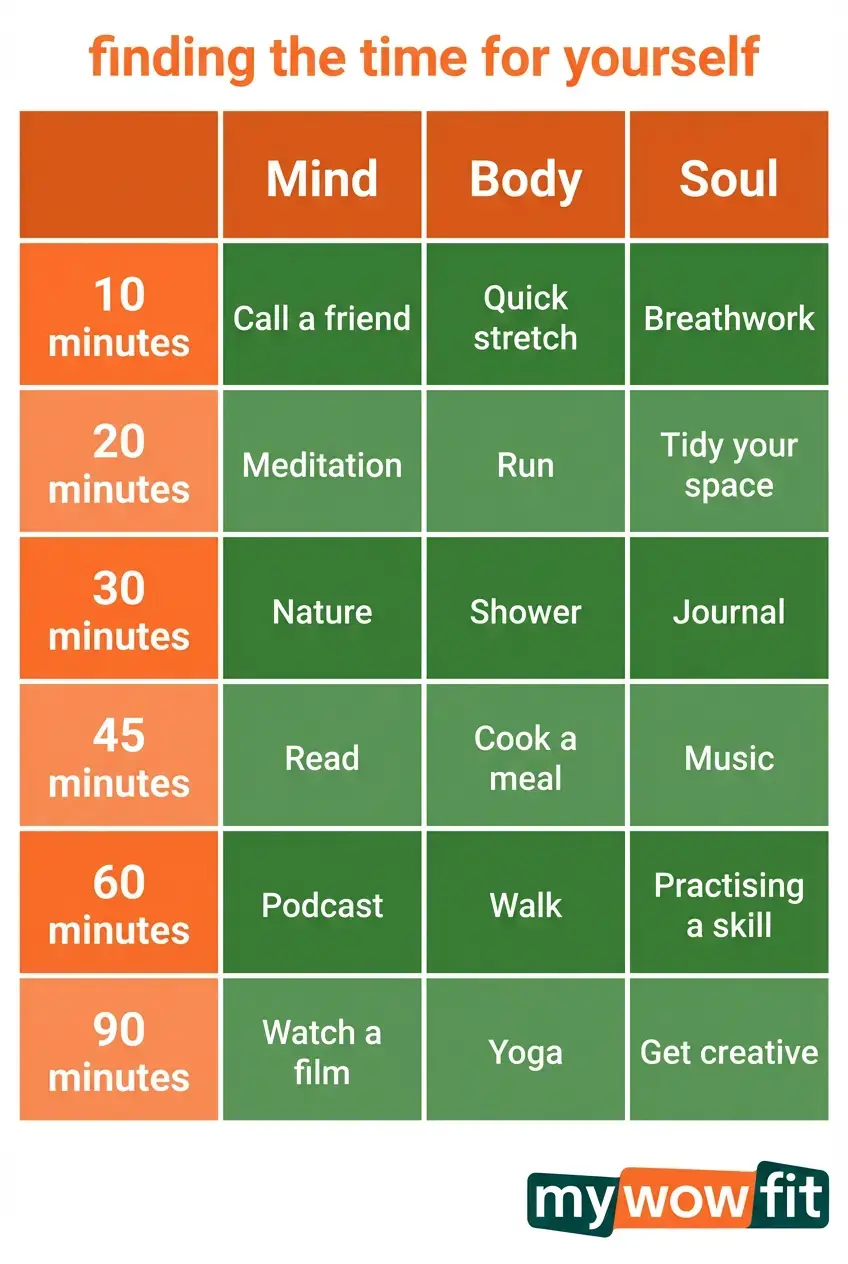
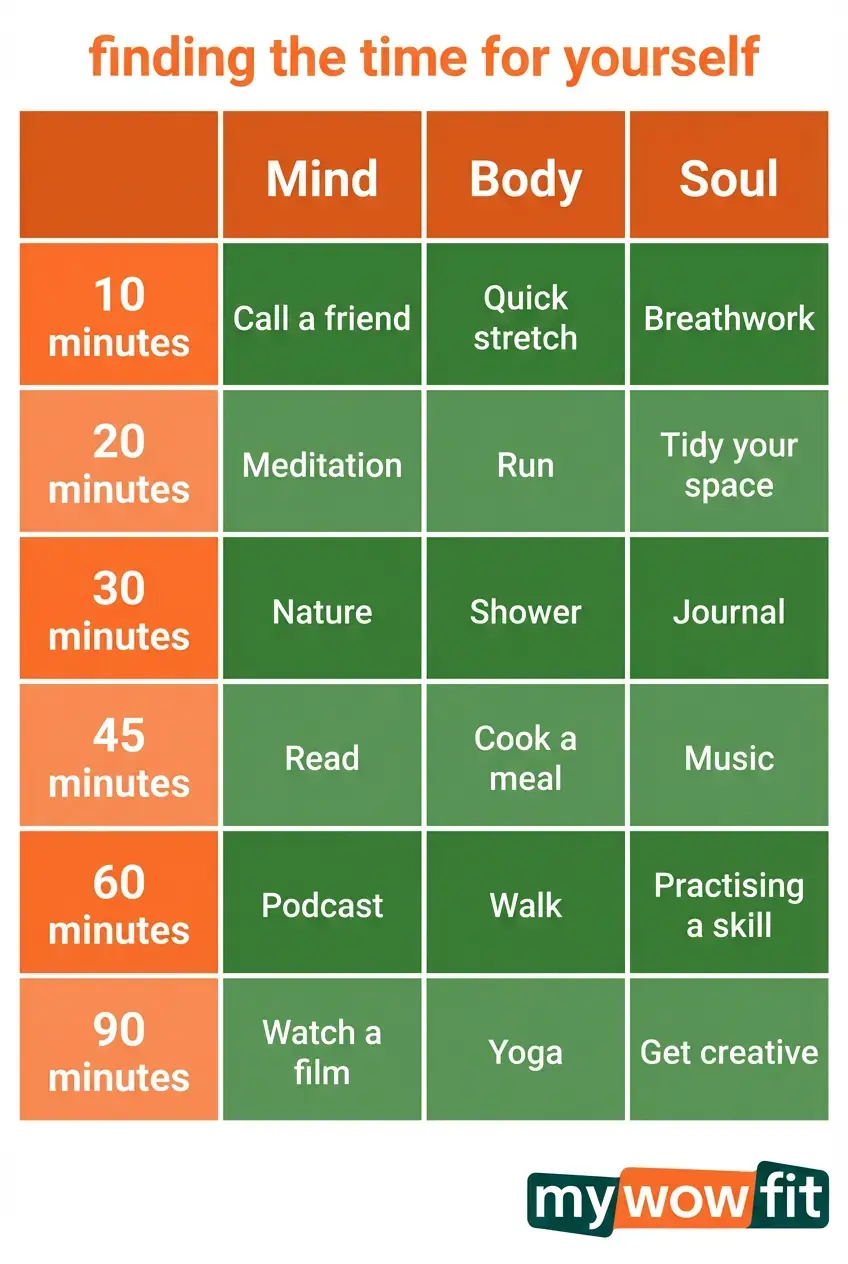
In the pursuit of establishing new habits, it is essential to recognize potential obstacles that may impede success. Understanding these common mistakes can promote a more efficient and effective habit formation process, ultimately leading to positive life transformations.
1. Overcomplicating the Process: Complex habits are harder to maintain. Focus on simple daily habits to change your life instead, ensuring that you can sustain them in the long run.
2. Lack of Consistency: Maintaining consistency is crucial for establishing new habits. Irregular engagement can reduce motivation and block progress towards desired behavioral changes.
3. Not Tracking Progress: Failing to track progress decrease motivation over time. Implementing habit tracking methods, such as utilizing tools or applications, boosts engagement and allows for the acknowledgement of achievements.
4. Overlooking the Importance of Motivation: Everyone is different, so finding what truly motivates you is important. Identifying personal sources of inspiration, whether through reading about success stories or visualization techniques, is essential for sustained effort.
5. Neglecting the Environment: Our surroundings significantly impact habit formation. Creating a supportive environment, free from distractions and filled with positive reinforcement, is advantageous to successful self-improvement.
Anti-patterns in Habit Formation
- Progress should be viewed over time rather than based on individual days.
- Skipping the planning stage can result in unclear routines and inconsistent behavior.
- Neglecting self-care can lead to burnout and reduced motivation.
- Avoiding accountability limits external support and reduces commitment.
1-on-1 Workouts & Custom Fitness Plans with Online Personal Trainer
Summary
Building lasting positive habits requires a structured approach and consistent support. While self-discipline is key, a supportive system significantly increases your chances of success.
Mywowfit provides that system, offering personalized guidance and accountability to help you establish healthy habits and achieve your personal development goals. Our structured programs incorporate the principles discussed—starting small, utilizing effective triggers, and consistently monitoring progress—to help you build a sustainable routine.
A practical framework for achieving lasting personal development includes starting small, using triggers, monitoring progress, establishing accountability, and practicing self-compassion.
FAQ
What are 10 healthy habits?
1. Regular exercise
2. Balanced diet
3. Sufficient sleep
4. Hydration
5. Mindfulness/meditation
6. Stress management through healthy outlets
7. Social connection and engagement
8. Consistent learning and intellectual stimulation
9. Gratitude practice for positivity
10. Regular self-reflection to assess personal growth
What is a good habit you practice every day? One habit that many people find beneficial is setting aside time for daily exercise. Engaging in physical activity each day not only improves physical fitness but also enhances mood and cognitive function. This habit has created a positive routine that increases my energy levels and helps me manage stress effectively.
What are the top 4 habits you think everyone should build and why?
1. Regular exercise: It improves both physical and mental health, reducing the risk of chronic diseases and elevating mood.
2. Mindful moments: Taking time for mindfulness reduces stress and improves focus, leading to better decision-making.
3. Healthy eating: Consuming a balanced diet fuels the body and mind, enhances energy levels, and promotes overall well-being.
4. Sufficient sleep: Quality sleep supports physical and cognitive restoration, making it essential for optimal functioning.
To organize your routine building and establish healthy habits, Mywowfit provides customized, at-home workout programs focused on goal setting and personal development. Our personalized plans are conveniently delivered via Zoom, giving you focused guidance and support to maximize your fitness gains. Additionally, discover effective healthy habits for daily life that integrate self-improvement with rest and relaxation. By integrating these daily life habits with a structured Mywowfit program, you set yourself up for optimal results in your journey toward a healthier lifestyle. Not sure between choosing online personal trainer and gym? Check out how we compare:


- PubMed pubmed.ncbi.nlm.nih.gov
- Mayo Clinic mayoclinic.org
- American College Of Sports and Medicine acsm.org
Photo from https://pin.it/6dBsphAck
Responses (3)
You may also be interested
Meet some of our trainers

All rights reserved


How it Works
Trainers
Pricing
Blog
FAQ
Gift Certificate
Referral Program
Work with Us
Affiliate Program
Terms of Service
Code of Conduct
Disclaimer of Medical Advice
Cancellation, Refund, Referral Policy
Services


USA, 1111B S Governors Ave #6047 Dover, DE 19904, Online Fitness Technologies INC
EU and UK: MYWOWFIT OU, Estonia, Harju maakond, Tallinn, Kesklinna linnaosa, Tornimäe tn 3 // 5 // 7, 10145





Share via