
mywowfit logo

Training for Seniors:
A Beginner's Guide

Last updated: 22/04/2026
Author: Emma Jonson
Medically reviewed by Maria Vasquez, NASM Certified Personal Trainer and Sports Nutrition Coach with expertise in Functional Training and Running Coaching. CPR/AED certified for safe, effective workouts. Dedicated to helping you achieve strength, endurance, and optimal health.
Maybe you aren’t dreaming of conquering Everest at 70. But imagine carrying groceries with ease, tearing up the dance floor at your granddaughter’s wedding, or simply getting out of a chair without a chorus of groans. This is what a high quality of life actually looks like in real terms. And the most reliable tool for preserving that autonomy is strength.

There is a persistent notion that lifting weights is an activity reserved for younger people who still care about how they look in a tank top. The kind of training we are discussing here is not a pursuit of bulk or a performance for the mirror. It is a deliberate, methodical approach to maintaining the physical capacity that age is constantly trying to take away. Forget the image of a crowded gym floor. Think instead of a quiet, focused effort to improve balance, protect bone structure, and simply feel more competent in your own body. At Mywowfit, we view senior fitness training as a straightforward and accessible way to reclaim that sense of mobility and self-reliance, no matter where you are starting from. Our trainers have specific experience working with older adults, and they focus on building a functional training program that fits your actual life, not some abstract ideal. Professional oversight and steady motivation make the difference between a short-lived attempt and a lasting change.

table of contents

Overview

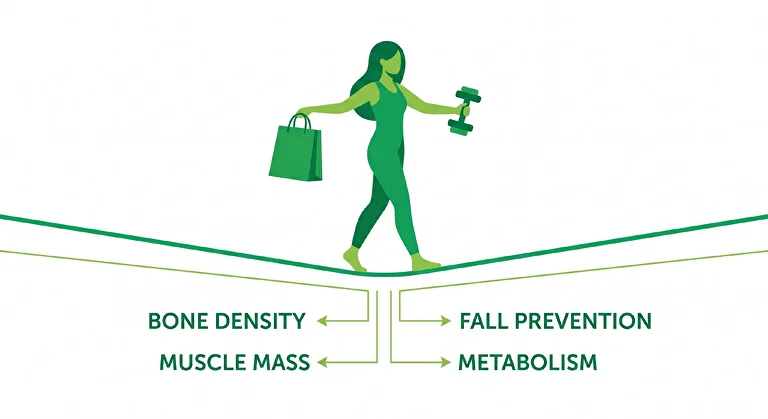
What are the concrete, verified benefits of introducing weight training later in life?

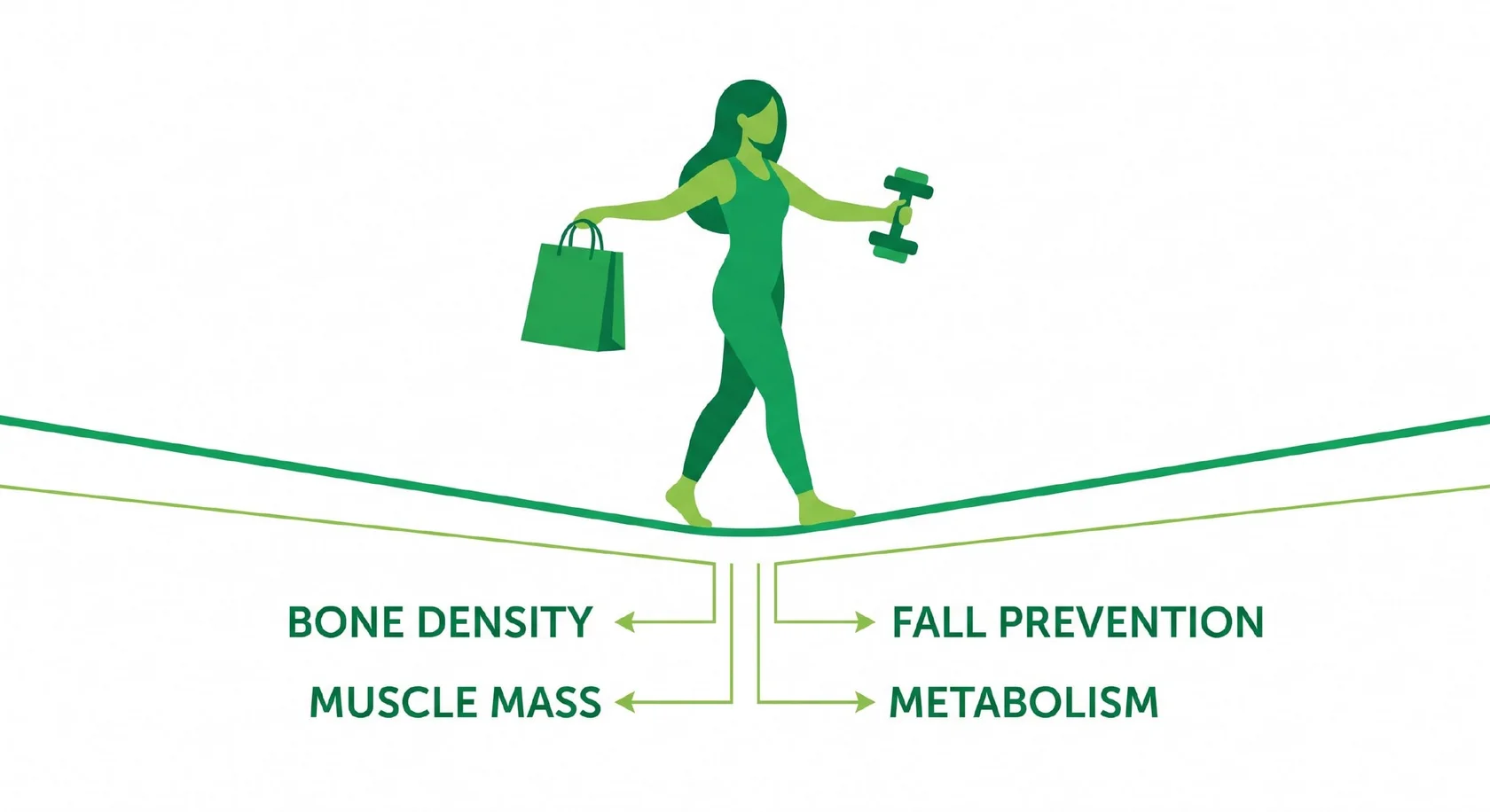
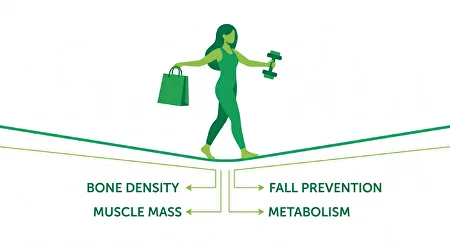
First, bone density. The threat of osteoporosis is real for both women and men as hormone levels shift. Weight-bearing exercise signals the skeleton to hold onto its mineral content. It is a direct countermeasure against the fragility that leads to fractures from otherwise minor falls.

Second, muscle mass preservation. Sarcopenia, the age-related loss of muscle tissue, is not a myth. It is why the jar lid seems tighter than it did ten years ago. Resistance work halts that slide and, in many cases, reverses a portion of it. You are not building show muscles; you are maintaining the functional tissue required for standing up, walking steadily, and catching your balance.

Third, balance and fall prevention. This is the benefit that most often converts the skeptics. Improved lower body and core strength translates directly to stability. When your foot catches on an uneven sidewalk or a rug corner, a stronger body reacts faster and more effectively to prevent a tumble.

Fourth, metabolic function. Muscle tissue is more metabolically active than fat tissue. By preserving muscle, you help your body manage weight more efficiently without resorting to extreme diets.

And finally, the overarching benefit: a sustained quality of life. The ability to travel, play with grandchildren, and manage a household without pain or fatigue is not a trivial matter. It is the foundation of a dignified, enjoyable later chapter.
Disclaimer: Before embarking on any weight training routines for seniors program, it’s essential to consult with your doctor, especially if you have any pre-existing health conditions. Your safety is paramount, and this consultation ensures that our senior fitness training near me recommendations align with your individual needs and circumstances.
Benefit
Impact
Research Support
Bone Density
Reduces risk of osteoporosis
Studies show 1-3% increase
Muscle Mass
Counters age-related loss
Can slow loss by up to 50%
Fall Prevention
Improves balance and stability
Reduces fall risk by 40%
Metabolism
Increases resting metabolic rate
Burns additional calories

What is Weight Training for Seniors?

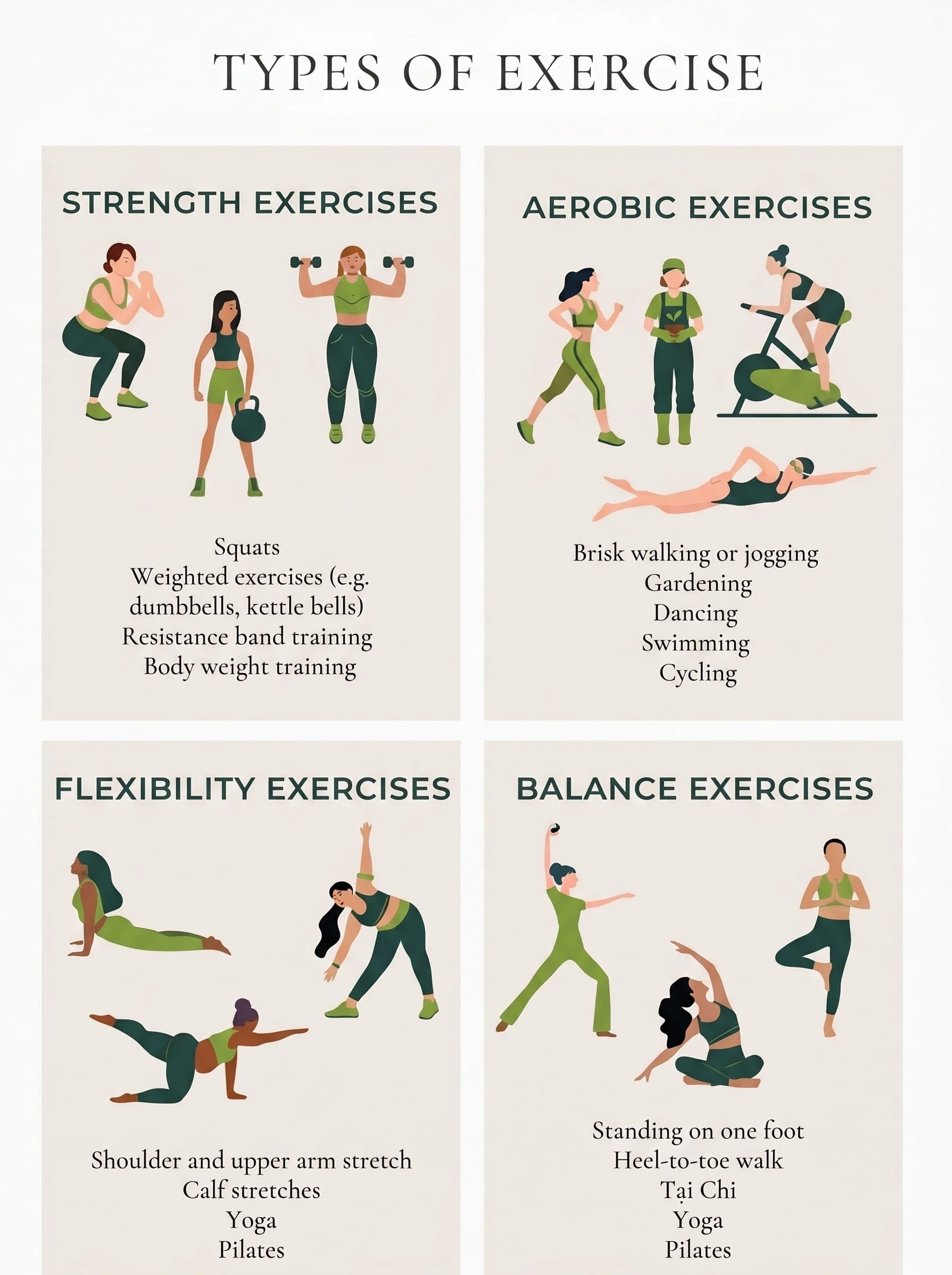
  • Machines: These offer a controlled range of motion and can be a good starting point for beginners.
  • Free Weights: Dumbbells, barbells, and kettlebells provide more flexibility but require greater stability.
  • Resistance Bands: Versatile, portable, and affordable, resistance bands offer a great way to add resistance at home.
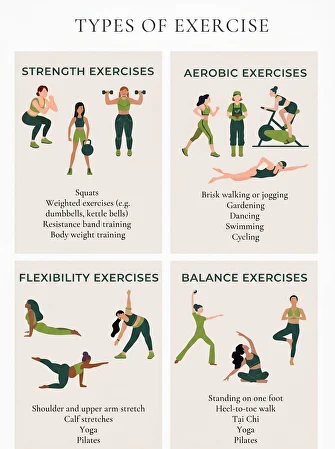
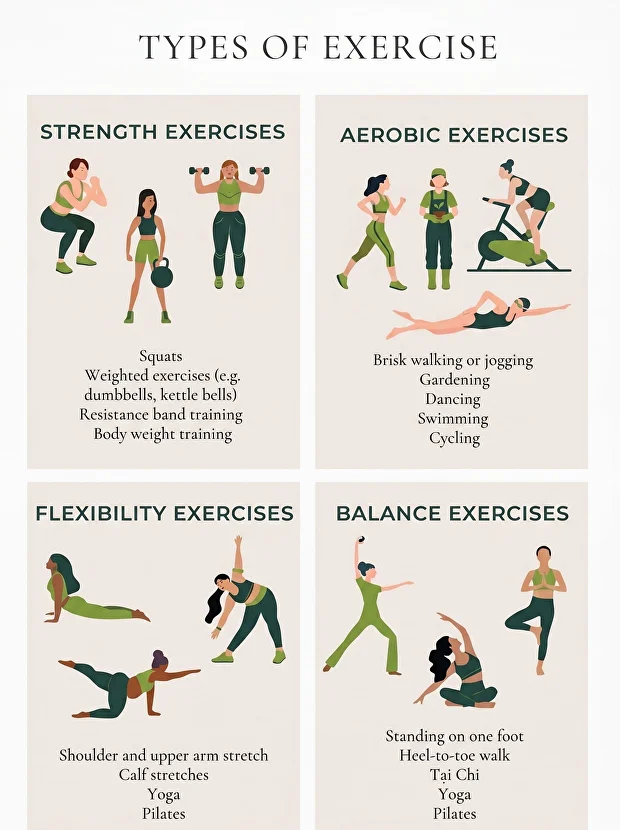
  • Body Weight: Squats, lunges, and push-ups utilize your own body weight for a convenient and effective workout.
  • Functional movement training ties this all together, ensuring that the strength you build in a chair or on a mat actually carries over to reaching for a high shelf or getting out of the car.
  • Prioritizing safety: Proper form is crucial to prevent injuries. We focus on controlled movements and avoid exercises that put excessive stress on joints. 1
  • Starting slow: No need to go beast mode on day one. We begin with lighter weights and gradually increase the intensity as you get stronger.
  • Listening to your body: Pain is a signal, not a challenge. If something hurts, stop and consult with a professional.
  • Benefits of Weight Training for Seniors

    Physical Benefits

    Let's start with what is actually happening inside the body, because understanding the mechanics makes the effort feel less arbitrary. Around menopause and the years that follow, bone density begins to decline at a rate that most women do not notice until something goes wrong. A minor stumble that should have resulted in a bruised ego instead becomes a fractured wrist. Weight training pushes back against that quiet erosion. The stress placed on the skeleton during a controlled lift signals the body to hold onto calcium and maintain bone structure rather than letting it leach away.

    Then there is the muscle. The term sarcopenia sounds clinical, but the experience of it is entirely practical. It is the reason the jar lid seems tighter. The reason standing up from a low couch requires a small internal negotiation. The reason you feel more fatigued after a day of errands than you did ten years ago. Resistance work directly addresses this. It rebuilds the tissue that age is quietly taking, and in doing so, it restores a baseline of functional strength that makes daily movement feel less like a chore. You are not training for a competition. You are training to carry your own luggage and lift your own grandchildren without paying for it the next morning.

    Balance is another piece of the puzzle that tends to erode without regular maintenance. Stronger legs and a more attuned sense of where your body is in space work together to prevent the kind of wobble that leads to a fall. For women in this age bracket, a fall is not just a fall. It is often the beginning of a cascade: fracture, surgery, reduced mobility, loss of independence.

    Joint health also improves, though perhaps not in the way people expect. The pain of arthritis or old injuries does not vanish. But the muscles surrounding those cranky knees and stiff hips become stronger and more capable of absorbing the load. The joint itself takes less of a beating because the supporting cast is finally doing its job. Many women find that while the underlying condition remains, the daily experience of it becomes far more manageable.

    At a certain point, the conversation shifts from how you look to how you function. Can you carry what needs carrying? Can you catch yourself when the sidewalk surprises you? Can you wake up tomorrow and still do everything you planned? Strength work answers those questions with a quiet yes. It is the cheapest insurance policy you will ever take out on your own future. And unlike most policies, you get to feel the dividends immediately. Muscles that remember how to work rather than slowly forgetting. Joints cushioned by stronger supporting tissue, and a nervous system that actually knows where your feet are when you step off a curb. None of this requires a gym membership or a complicated routine. It requires showing up, moving with intention, and letting your body respond the way it still knows how. The only missing piece is you deciding they are worth the effort.

    Health Benefits

    Beyond the muscles and bones, there is a quieter set of changes happening at the metabolic level. The risk of chronic conditions (heart disease, type 2 diabetes, certain cancers) does not announce itself loudly. It accumulates over decades of stress, poor sleep, and gradual weight gain. Weight training intervenes in that accumulation. It improves how the body processes glucose, which helps keep blood sugar in a healthier range. It strengthens the heart muscle itself, improving circulation and reducing the strain on the cardiovascular system.

    Weight management also shifts. Muscle tissue burns more energy at rest than fat tissue does. By preserving and slowly building muscle, you are raising your body's baseline metabolic rate. This does not mean you can eat whatever you want without consequence. But it does mean that maintaining a stable weight becomes slightly less of a battle.

    There is also the matter of inflammation. Chronic, low-grade inflammation is now understood to be a driver of many age-related diseases. Regular strength work has been shown to reduce markers of inflammation throughout the body. It is not a cure-all, but it is a meaningful piece of the prevention puzzle that costs nothing more than time and consistency.


    Quality of Life Benefits

  • Maintained Independence: Weight training empowers you to stay independent, doing the things you love without relying on others.
  • Improved Mental Health: Exercise is a natural mood booster, releasing endorphins that reduce stress, anxiety, and depression.
  • Better Sleep Quality: Regular weight training for seniors over 70 at home can help you sleep better at night, improving your overall well-being.
  • Enhanced Energy Levels: Weight training helps you feel more energetic and less fatigued, allowing you to tackle daily tasks with ease.
  • Social Interaction Opportunities: Joining a weight training class for seniors can provide valuable social interaction and combat loneliness. Let’s boost your independence!
  • Condition
    How Weight Training Helps
    Recommended Approach
    Arthritis
    Strengthens supporting muscles
    Low-impact, controlled movements
    Osteoporosis
    Increases bone mineral density
    Progressive loading with safety focus
    Sarcopenia
    Counters muscle loss
    Regular resistance with proper nutrition
    Balance Issues
    Improves proprioception
    Functional exercises with support

    Getting Started: Weight Training for Beginners

    So, you’re officially ready to join the “Strong Seniors” club. Now let us talk about what the actual process looks like when you are starting from scratch or returning after a long hiatus.

    Essential Equipment

  • Appropriate Weights for Beginners: Start with weights that challenge you without compromising your form. We’re talking light weight training for seniors, resistance bands, or even just your body weight. There is no shame in starting small with weight strength training for seniors.
  • Supportive Shoes and Clothing: Good shoes are a must to provide stability and prevent injuries. Comfortable, breathable clothing will help you move freely and stay cool.
  • Safety Equipment Considerations: Depending on your individual needs, you might consider using wrist wraps, weightlifting gloves, or a spotter for added safety.
  • Home Gym Basics vs. Gym Membership: A home gym can be convenient, but a gym membership offers access to a wider range of equipment and the expertise of certified trainers. In order to complete at senior citizen fitness classes, it requires some training. The best weight training for seniors over 70 may need specialized support!
  • Truly personalized, human coaching
  • Flexible, anytime-anywhere training
  • Lifelong consistency: no burnout, no injuries
  • 1-on-1 Workouts & Custom Fitness Plans with Online Personal Trainer

    ★★★★★ 4.8 out of 5 across 600+ reviews

    Form and Safety

  • Proper Breathing Techniques: Breathe in during the easier part of the exercise and exhale during the harder part. Avoid holding your breath, which can increase blood pressure.
  • Correct Posture Principles: Maintain good posture throughout each exercise, keeping your back straight, your core engaged, and your shoulders relaxed.
  • Range of Motion Considerations: Use a full range of motion, but avoid pushing yourself beyond your comfort zone.
  • When to Stop an Exercise: Stop the exercise if you feel any sharp pain, dizziness, or shortness of breath. It’s always better to ask for help.
  • Working with Limitations: Modify exercises as needed to accommodate any limitations you may have due to arthritis, injuries, or other health conditions. Remember safe workouts for elderly populations will ensure these problems are avoided. We design weight training exercises for seniors with mobility in mind.
  • Finding Guidance

  • Working with Trainers Experienced with Seniors: A certified senior fitness trainer can provide personalized guidance, proper form instruction, and a weight training program for seniors tailored to your needs. One-on-one training may be best to achieve the benefits of weight training for seniors!
  • Community Resources and Programs: Check your local community center, YMCA, or senior center for senior citizen fitness programs. Weight resistance training for seniors can be completed at these facilities.
  • Online Resources Specific to Senior Training: There are many online resources that offer exercise videos, workout plans, and tips for weight training for seniors over 70. Make sure the resources are from reputable sources.
  • Group Classes vs. Individual Training: Group classes can be a fun and motivating way to stay active, while individual training provides more personalized attention. Weight training for beginners and seniors is achievable in a group setting.
  • Exercise
    Women Beginning Weight
    Men Beginning Weight
    Progression Rate
    Dumbbell Curl
    2-5 lbs
    5-8 lbs
    Increase by 1-2 lbs when comfortable
    Leg Press
    40-60% body weight
    50-70% body weight
    Add 5-10% when form is mastered
    Chest Press
    5-10 lbs
    10-15 lbs
    Increase by 2-5 lbs when ready
    Seated Row
    10-15 lbs
    15-20 lbs
    Progress by 5 lbs increments

    Best Weight Training Exercises for Seniors

    With the foundation in place, let us look at specific exercises suited to older adults. All of these can be adapted to your particular limitations, and you should expect to modify them. Before trying anything new, check with your trainer or physical therapist. It is moving well enough to keep showing up without setbacks.

    Upper Body Exercises

  • Seated Chest Press: Strengthens your chest, shoulders, and triceps. Use dumbbells or a chest press machine. Great for weight training for seniors over 60.
  • Arm Curls: Works your biceps. Use dumbbells or resistance bands. This may be hard on people with carpal tunnel, so be extra careful! We offer seated weight training for seniors that may assist.
  • Shoulder Press: Strengthens your shoulders. Use dumbbells or a shoulder press machine.
  • Seated Rows: Works your back and biceps. Use dumbbells, a resistance band, or a seated row machine.
  • Wall Pushups: Strengthens your chest, shoulders, and triceps. This is a great modification for traditional pushups.
  • Lower Body Exercises

  • Chair Squats: Strengthens your quads, hamstrings, and glutes. Use a chair for support as needed. This a great starting point for weight training for seniors over 70.
  • Leg Press: Works your quads, hamstrings, and glutes. Use a leg press machine. If you have knee pain, this may not be a good option.
  • Seated Leg Extensions: Strengthens your quads. Use a leg extension machine.
  • Calf Raises: Works your calf muscles. Perform these standing or seated. Great for improving balance.
  • Glute Bridges: Strengthens your glutes and hamstrings. Lie on your back with your knees bent and lift your hips off the floor.
  • Core Strengthening

  • Seated Core Rotations: Improves core stability and flexibility. Sit in a chair with your feet flat on the floor and twist your torso from side to side.
  • Chair-Supported Planks: Strengthens your core muscles. Place your forearms on a chair and hold a plank position.
  • Standing Side Bends: Works your oblique muscles. Stand with your feet shoulder-width apart and bend to the side, keeping your back straight.
  • Pelvic Tilts: Improves core stability and flexibility. Lie on your back with your knees bent and tilt your pelvis forward and backward.
  • Seated Leg Lifts: Strengthens your abdominal muscles. Sit in a chair with your feet flat on the floor and lift one leg at a time.
  • Weight Training Programs for Seniors

    weight training program

    So you’re geared up and ready to start lifting. But where do you even begin with program design? Here’s what you need to know to craft a killer weight training program for seniors that’s both safe and effective. Remember, consistency is key! Look for a weight training program for seniors near me to get started.

    Program Design Principles

    Frequency Recommendations: Aim for 2-3 weight training workout for seniors per week. This allows for adequate rest and recovery between workouts, which is essential for seniors.
    Volume and Intensity Guidelines: Start with one set of 10-12 repetitions for each exercise. As you get stronger, gradually increase the weight or resistance, the number of sets, or the number of repetitions. Ask about the benefits of weight training for seniors to remain motivated.
    Rest and Recovery Importance: Allow for at least 24-48 hours of rest between weight training workout for seniors to allow your muscles to repair and rebuild. Sleep, nutrition, and stress management all play a crucial role in recovery.
    Progression Strategies: There are several ways to progression in weight training, including increasing the weight, adding sets, increasing repetitions, or changing the exercises. Focus on making small, gradual changes over time to avoid overtraining and injury.

  • Truly personalized, human coaching
  • Flexible, anytime-anywhere training
  • Lifelong consistency: no burnout, no injuries
  • 1-on-1 Workouts & Custom Fitness Plans with Online Personal Trainer

    ★★★★★ 4.8 out of 5 across 600+ reviews

    Sample Programs

  • Beginner Program (8 weeks): This program focuses on building a foundation of strength and learning proper form for those just starting out. Training at home is a convenient way to begin.
  • Intermediate Program (12 weeks): This phase increases intensity and volume, challenging you to build more muscle mass and functional power. Individual coaching helps identify the most effective approach for your body.
  • Advanced Program (16 weeks): This stage incorporates more complex movements and training techniques to help you reach your full potential. Work may include plyometrics or calisthenics. Proper form remains the priority.
  • Specialty Programs (balance focus, osteoporosis, etc.): These are designed to address specific concerns, whether improving stability or increasing bone density.
  • Week
    Frequency
    Exercises
    Sets x Reps
    Rest Between Sets
    1-2
    2x/week
    4-5 basic
    1 x 10-12
    60-90 seconds
    3-4
    2x/week
    5-6 basic
    2 x 10-12
    60-90 seconds
    5-6
    3x/week
    6-7 varied
    2 x 12-15
    45-60 seconds
    7-8
    3x/week
    7-8 varied
    3 x 12-15
    45-60 seconds

    Weight Training at Home for Seniors

    workout for seniors at home with minimal equipment

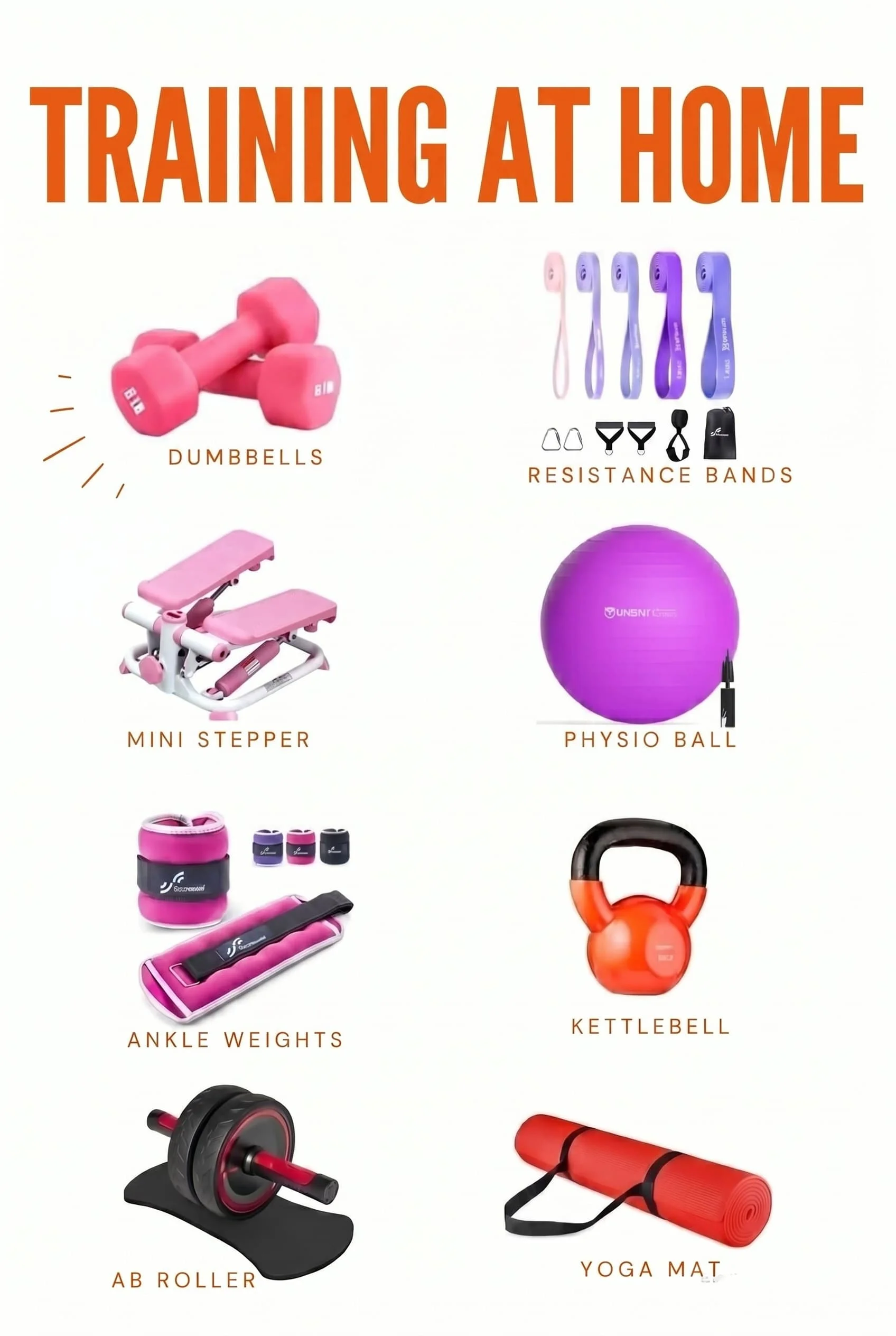
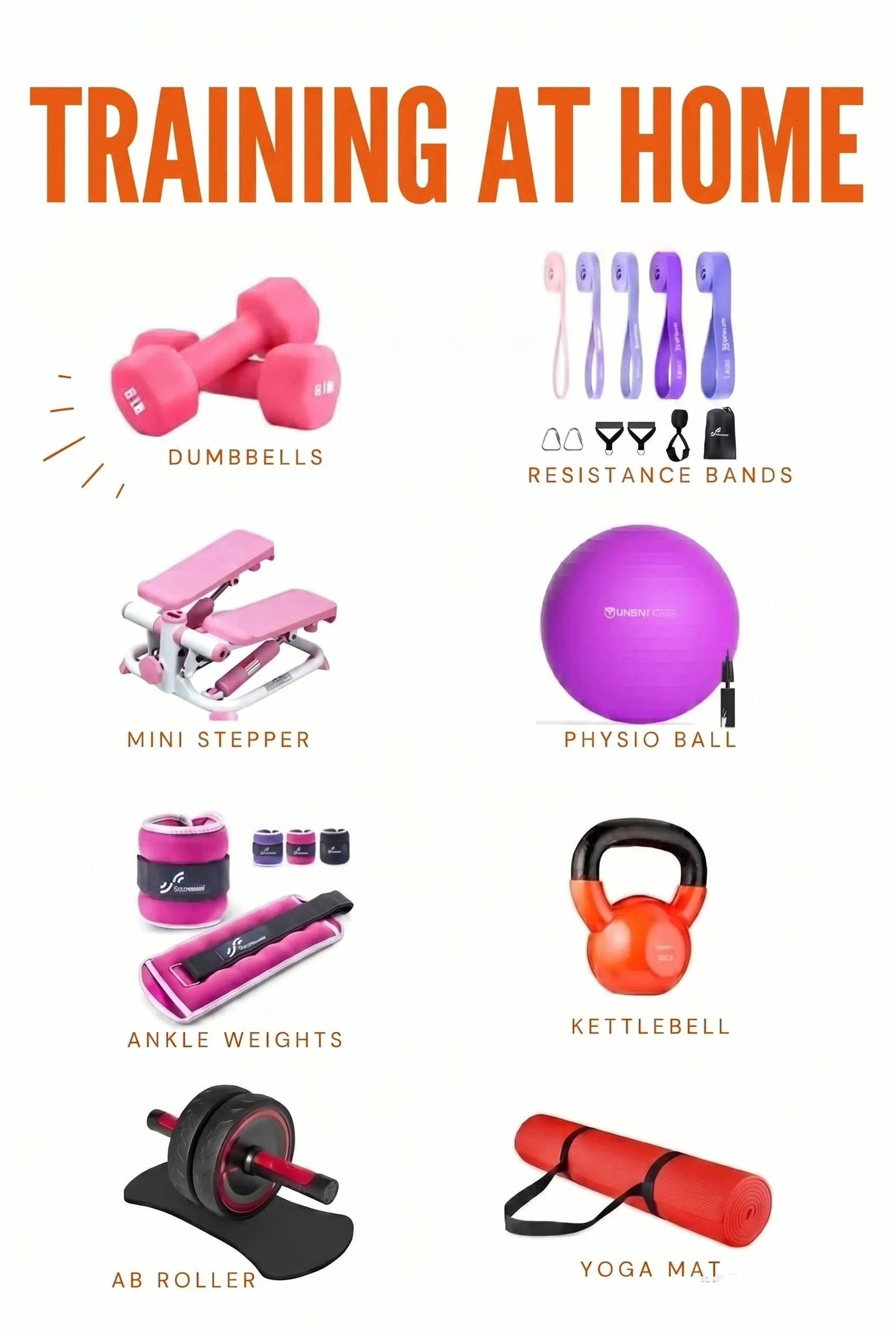
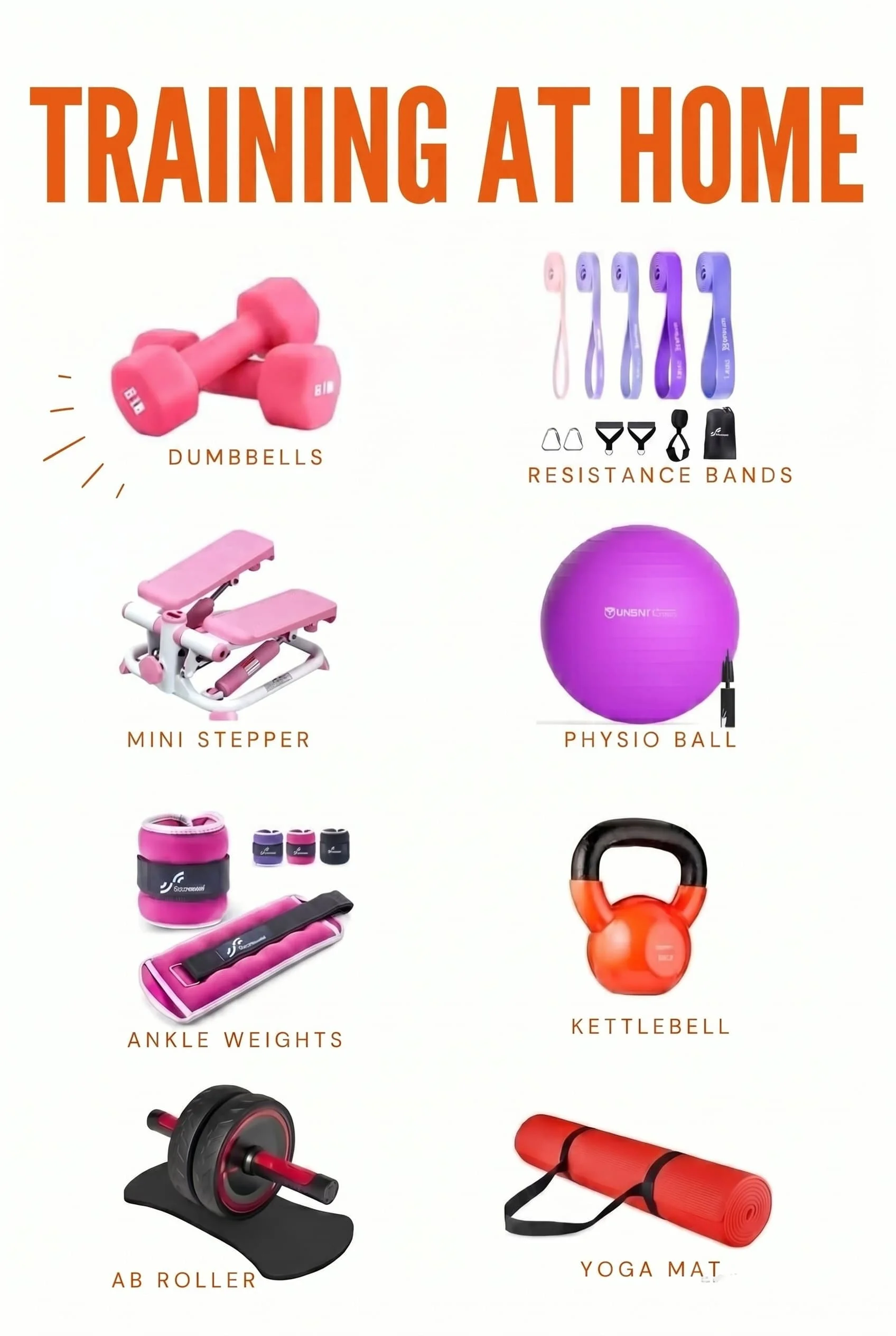
    The absence of a gym membership is not an obstacle. Resistance bands provide adjustable tension without taking up closet space. A small collection of dumbbells covers upper and lower body work. Ankle weights add load to leg movements without requiring a rack. And a stable chair offers both safety during balance work and a platform for seated exercises. With these four items, you are fully equipped to train effectively at home.

    Space Requirements and Safety Considerations

    Safety Guideline
    Why It’s Important
    Implementation
    Well-Lit and Ventilated Space
    Promotes clear vision and comfortable breathing.
    Choose a room with ample natural or artificial light and good air circulation.
    Level and Clear Floor
    Prevents trips, slips, and falls.
    Ensure the workout area is free of obstacles, cords, rugs, and other potential hazards.
    Supportive Shoes & Clothing
    Provides stability and unrestricted movement.
    Wear well-fitting shoes with good traction and comfortable, breathable clothing that allows a full range of motion.

    Alternative Household Items for Resistance

  • Canned goods or water bottles can be used as dumbbells.
  • Towels can be used for stretching and resistance exercises.
  • A backpack filled with books can be used for squats and lunges.
  • Online Resources and Programs

    The internet is full of home workout content for older adults, but quality varies widely. Look for programs where safety and proper form are the main event, not an afterthought. Mywowfit offers virtual personal training sessions you can do at home, with progression built to be steady and realistic, not punishing.
    Ryan, Mywowfit, Personal Trainer
    Ryan, a dedicated Mywowfit trainer specializing in senior fitness. Ryan’s passion lies in helping seniors achieve their fitness goals through personalized guidance and proven strategies. With a strong emphasis on safe, effective techniques, he’ll create a weight training program for seniors that’s uniquely tailored to your body and lifestyle. Don’t wait to start your journey towards a stronger, more vibrant you. Discover Ryan’s expertise and begin your fitness transformation today.
  • Truly personalized, human coaching
  • Flexible, anytime-anywhere training
  • Lifelong consistency: no burnout, no injuries
  • 1-on-1 Workouts & Custom Fitness Plans with Online Personal Trainer

    ★★★★★ 4.8 out of 5 across 600+ reviews

    Safety Precautions for Solo Training

    Tip
    Importance
    Action
    Warm-Up Thoroughly
    Prepares muscles and joints, reducing injury risk.
    Perform 5-10 minutes of light cardio and dynamic stretching before each session.
    Start Light & Easy
    Allows your body to adapt gradually, preventing strain.
    Begin with light weight training for seniors and fewer repetitions, focusing on mastering the movement.
    Prioritize Proper Form
    Ensures effective muscle engagement and minimizes joint stress.
    Focus on technique over weight. Consider using a mirror or supervision to check your form.
    Listen to Your Body
    Prevents overexertion and potential injuries.
    Pay attention to any pain, discomfort, or dizziness and stop the exercise immediately if these occur.
    Cool Down Effectively
    Aids in muscle recovery and reduces soreness.
    Perform 5-10 minutes of static stretching, holding each stretch for 20-30 seconds.
    Ensure Accountability
    Provides safety net and assistance in case of emergency.
    Let someone know you’re working out, the exercises you plan to do, and when you expect to be finished.

    Finding Weight Training Resources Near You

  • Certified Senior Fitness Trainers: These trainers are experienced in working with seniors and can help you design a safe and effective weight training program for seniors.
  • Age-Appropriate Equipment: Look for gyms that have weight machines and other equipment that is easy to use and adjust. Many facilities offer seated weight training for seniors.
  • A Supportive Environment: Look for a gym that is welcoming, friendly, and supportive of seniors. We offer weight training classes for seniors that have many benefits.
  • Questions to Ask Potential Trainers: See questions to ask below.
  • Community Resources (Senior Centers, YMCA, etc.): These organizations often offer senior citizen fitness programs at affordable prices. We’re working on establishing weight training for seniors near me at these locations.
  • Virtual Options for Guided Training: Mywowfit offers virtual personal training sessions that can be done from the comfort of your own home. We will tailor the training to your specific needs.
  • Questions To Ask When Choosing A Trainer For Senior Weight Training

    Category
    Questions to Ask
    What to Look For
    Experience
    How many seniors have you trained?
    Specific work with older populations
    Education
    What certifications do you hold?
    Senior fitness specializations
    Approach
    How do you modify for limitations?
    Individualized programming
    Safety
    How do you prevent injuries?
    Clear safety protocols

    FAQ

  • What is the best weight lifting routine for seniors? The “best” routine is highly individual, tailored to your current fitness level, health conditions, and personal goals. A weight training program for seniors should typically include a mix of exercises targeting major muscle groups (legs, chest, back, shoulders, arms, and core). A good starting point would be exercises that focus on every day life. You can begin to increase muscle mass through these exercises. A skilled trainer will offer personalized support!
  • How often should a 70 year old lift weights? Generally, 2-3 non-consecutive days per week is ideal. This allows sufficient rest and recovery between sessions for your muscles to rebuild.
  • How heavy should weights be for seniors? Forget the ego! Focus on form and control. Choose weights that allow you to perform 10-15 repetitions with good technique, feeling challenged but not strained. If you cannot do this, consider lower weight or seek the help of a trainer.
  • What is the number one exercise for seniors? While there’s no single “magic bullet,” exercises that promote functional fitness are key. These are movements that mimic everyday activities, like chair squats, step-ups, or rows. Weight training exercises for seniors help reduce stress on your back and improves posture and mobility. These will boost your ability to maintain independence and quality of life, helping with fall prevention. Ultimately, safety must be a key consideration when selecting any type of exercise. Work with a qualified professional who is dedicated to the best way to get in shape!
  • ai fitness apps
    In-person trainer
    from $24
    /session
    from $90
    /session
    from $50
    /month
    Yes
    still training
    6 a.m. or 9 p.m. — your call
    Limited hours
    No real-time support
    Arthritis, menopause, post-op, burnout
    Trainer live on Zoom
    Change times weekly via app
    Home, hotel, office
    97%
    83%
    Only 7%
    Train online from anywhere
    Flexible scheduling
    Real accountability
    Certified for special conditions
    24/7 in your time zone
    6-month consistency
    HSA/FSA Eligible
    Pricing
  • Truly personalized, human coaching
  • Flexible, anytime-anywhere training
  • Lifelong consistency: no burnout, no injuries
  • 1-on-1 Workouts & Custom Fitness Plans with Online Personal Trainer

    ★★★★★ 4.8 out of 5 across 600+ reviews
    References / Sources

    Responses (6)

    carolina
    no excuses
    daniel
    The section on recovery was so useful, I always forget about that part.
    Jules_____
    Love the mix of strength and mobility. Not just the usual push-ups and sit-ups
    maaartin
    Super clear and motivating, saving this guide for daily us
    jonas
    NICEEE
    ivan
    This made at-home workouts feel way less overwhelming

    You may also be interested

    Discover the best strength training exercises, routines, and tips specially designed for women over 50. Learn how to safely build muscle, improve bone density, and enhance your quality of life with our comprehensive guide.
    Discover specialized senior fitness training programs with certified instructors. Virtual classes and in-home sessions designed specifically for older adults

    Meet some of our trainers

    mywowfit logo
    © 2021-2025 Together with Online Fitness Technologies Inc.
    All rights reserved
    Useful Links
    Documentation
    Contact Us
    +1 585 968 4022 – USA & GLOBAL
    +44 (74) 6216 9964 – UK
    +372 669 2444 – EUROPE
    Headquarters:
    USA, 1111B S Governors Ave #6047 Dover, DE 19904, Online Fitness Technologies INC
    Locations
    Headquarters:
    EU and UK: MYWOWFIT OU, Estonia, Harju maakond, Tallinn, Kesklinna linnaosa, Tornimäe tn 3 // 5 // 7, 10145
    5.0
    4.9
    mywowfit logo

    Training for Seniors:
    A Beginner's Guide

    Last updated: 22/04/2026
    Author: Emma Jonson
    Medically reviewed by Maria Vasquez, NASM Certified Personal Trainer and Sports Nutrition Coach with expertise in Functional Training and Running Coaching. CPR/AED certified for safe, effective workouts. Dedicated to helping you achieve strength, endurance, and optimal health.
    Maybe you aren’t dreaming of conquering Everest at 70. But imagine carrying groceries with ease, tearing up the dance floor at your granddaughter’s wedding, or simply getting out of a chair without a chorus of groans. This is what a high quality of life actually looks like in real terms. And the most reliable tool for preserving that autonomy is strength.

    There is a persistent notion that lifting weights is an activity reserved for younger people who still care about how they look in a tank top. The kind of training we are discussing here is not a pursuit of bulk or a performance for the mirror. It is a deliberate, methodical approach to maintaining the physical capacity that age is constantly trying to take away. Forget the image of a crowded gym floor. Think instead of a quiet, focused effort to improve balance, protect bone structure, and simply feel more competent in your own body. At Mywowfit, we view senior fitness training as a straightforward and accessible way to reclaim that sense of mobility and self-reliance, no matter where you are starting from. Our trainers have specific experience working with older adults, and they focus on building a functional training program that fits your actual life, not some abstract ideal. Professional oversight and steady motivation make the difference between a short-lived attempt and a lasting change.

    table of contents

    Overview

    What are the concrete, verified benefits of introducing weight training later in life?

    First, bone density. The threat of osteoporosis is real for both women and men as hormone levels shift. Weight-bearing exercise signals the skeleton to hold onto its mineral content. It is a direct countermeasure against the fragility that leads to fractures from otherwise minor falls.

    Second, muscle mass preservation. Sarcopenia, the age-related loss of muscle tissue, is not a myth. It is why the jar lid seems tighter than it did ten years ago. Resistance work halts that slide and, in many cases, reverses a portion of it. You are not building show muscles; you are maintaining the functional tissue required for standing up, walking steadily, and catching your balance.

    Third, balance and fall prevention. This is the benefit that most often converts the skeptics. Improved lower body and core strength translates directly to stability. When your foot catches on an uneven sidewalk or a rug corner, a stronger body reacts faster and more effectively to prevent a tumble.

    Fourth, metabolic function. Muscle tissue is more metabolically active than fat tissue. By preserving muscle, you help your body manage weight more efficiently without resorting to extreme diets.

    And finally, the overarching benefit: a sustained quality of life. The ability to travel, play with grandchildren, and manage a household without pain or fatigue is not a trivial matter. It is the foundation of a dignified, enjoyable later chapter.
    Disclaimer: Before embarking on any weight training routines for seniors program, it’s essential to consult with your doctor, especially if you have any pre-existing health conditions. Your safety is paramount, and this consultation ensures that our senior fitness training near me recommendations align with your individual needs and circumstances.
    Benefit
    Impact
    Research Support
    Bone Density
    Reduces risk of osteoporosis
    Studies show 1-3% increase
    Muscle Mass
    Counters age-related loss
    Can slow loss by up to 50%
    Fall Prevention
    Improves balance and stability
    Reduces fall risk by 40%
    Metabolism
    Increases resting metabolic rate
    Burns additional calories

    What is Weight Training for Seniors?

  • Machines: These offer a controlled range of motion and can be a good starting point for beginners.
  • Free Weights: Dumbbells, barbells, and kettlebells provide more flexibility but require greater stability.
  • Resistance Bands: Versatile, portable, and affordable, resistance bands offer a great way to add resistance at home.
  • Body Weight: Squats, lunges, and push-ups utilize your own body weight for a convenient and effective workout.
  • Functional movement training ties this all together, ensuring that the strength you build in a chair or on a mat actually carries over to reaching for a high shelf or getting out of the car.
  • Prioritizing safety: Proper form is crucial to prevent injuries. We focus on controlled movements and avoid exercises that put excessive stress on joints. 1
  • Starting slow: No need to go beast mode on day one. We begin with lighter weights and gradually increase the intensity as you get stronger.
  • Listening to your body: Pain is a signal, not a challenge. If something hurts, stop and consult with a professional.
  • Benefits of Weight Training for Seniors

    Physical Benefits

    Let's start with what is actually happening inside the body, because understanding the mechanics makes the effort feel less arbitrary. Around menopause and the years that follow, bone density begins to decline at a rate that most women do not notice until something goes wrong. A minor stumble that should have resulted in a bruised ego instead becomes a fractured wrist. Weight training pushes back against that quiet erosion. The stress placed on the skeleton during a controlled lift signals the body to hold onto calcium and maintain bone structure rather than letting it leach away.

    Then there is the muscle. The term sarcopenia sounds clinical, but the experience of it is entirely practical. It is the reason the jar lid seems tighter. The reason standing up from a low couch requires a small internal negotiation. The reason you feel more fatigued after a day of errands than you did ten years ago. Resistance work directly addresses this. It rebuilds the tissue that age is quietly taking, and in doing so, it restores a baseline of functional strength that makes daily movement feel less like a chore. You are not training for a competition. You are training to carry your own luggage and lift your own grandchildren without paying for it the next morning.

    Balance is another piece of the puzzle that tends to erode without regular maintenance. Stronger legs and a more attuned sense of where your body is in space work together to prevent the kind of wobble that leads to a fall. For women in this age bracket, a fall is not just a fall. It is often the beginning of a cascade: fracture, surgery, reduced mobility, loss of independence.

    Joint health also improves, though perhaps not in the way people expect. The pain of arthritis or old injuries does not vanish. But the muscles surrounding those cranky knees and stiff hips become stronger and more capable of absorbing the load. The joint itself takes less of a beating because the supporting cast is finally doing its job. Many women find that while the underlying condition remains, the daily experience of it becomes far more manageable.

    At a certain point, the conversation shifts from how you look to how you function. Can you carry what needs carrying? Can you catch yourself when the sidewalk surprises you? Can you wake up tomorrow and still do everything you planned? Strength work answers those questions with a quiet yes. It is the cheapest insurance policy you will ever take out on your own future. And unlike most policies, you get to feel the dividends immediately. Muscles that remember how to work rather than slowly forgetting. Joints cushioned by stronger supporting tissue, and a nervous system that actually knows where your feet are when you step off a curb. None of this requires a gym membership or a complicated routine. It requires showing up, moving with intention, and letting your body respond the way it still knows how. The only missing piece is you deciding they are worth the effort.

    Health Benefits

    Beyond the muscles and bones, there is a quieter set of changes happening at the metabolic level. The risk of chronic conditions (heart disease, type 2 diabetes, certain cancers) does not announce itself loudly. It accumulates over decades of stress, poor sleep, and gradual weight gain. Weight training intervenes in that accumulation. It improves how the body processes glucose, which helps keep blood sugar in a healthier range. It strengthens the heart muscle itself, improving circulation and reducing the strain on the cardiovascular system.

    Weight management also shifts. Muscle tissue burns more energy at rest than fat tissue does. By preserving and slowly building muscle, you are raising your body's baseline metabolic rate. This does not mean you can eat whatever you want without consequence. But it does mean that maintaining a stable weight becomes slightly less of a battle.

    There is also the matter of inflammation. Chronic, low-grade inflammation is now understood to be a driver of many age-related diseases. Regular strength work has been shown to reduce markers of inflammation throughout the body. It is not a cure-all, but it is a meaningful piece of the prevention puzzle that costs nothing more than time and consistency.


    Quality of Life Benefits

  • Maintained Independence: Weight training empowers you to stay independent, doing the things you love without relying on others.
  • Improved Mental Health: Exercise is a natural mood booster, releasing endorphins that reduce stress, anxiety, and depression.
  • Better Sleep Quality: Regular weight training for seniors over 70 at home can help you sleep better at night, improving your overall well-being.
  • Enhanced Energy Levels: Weight training helps you feel more energetic and less fatigued, allowing you to tackle daily tasks with ease.
  • Social Interaction Opportunities: Joining a weight training class for seniors can provide valuable social interaction and combat loneliness. Let’s boost your independence!
  • Condition
    How Weight Training Helps
    Recommended Approach
    Arthritis
    Strengthens supporting muscles
    Low-impact, controlled movements
    Osteoporosis
    Increases bone mineral density
    Progressive loading with safety focus
    Sarcopenia
    Counters muscle loss
    Regular resistance with proper nutrition
    Balance Issues
    Improves proprioception
    Functional exercises with support

    Getting Started: Weight Training for Beginners

    So, you’re officially ready to join the “Strong Seniors” club. Now let us talk about what the actual process looks like when you are starting from scratch or returning after a long hiatus.

    Essential Equipment

  • Appropriate Weights for Beginners: Start with weights that challenge you without compromising your form. We’re talking light weight training for seniors, resistance bands, or even just your body weight. There is no shame in starting small with weight strength training for seniors.
  • Supportive Shoes and Clothing: Good shoes are a must to provide stability and prevent injuries. Comfortable, breathable clothing will help you move freely and stay cool.
  • Safety Equipment Considerations: Depending on your individual needs, you might consider using wrist wraps, weightlifting gloves, or a spotter for added safety.
  • Home Gym Basics vs. Gym Membership: A home gym can be convenient, but a gym membership offers access to a wider range of equipment and the expertise of certified trainers. In order to complete at senior citizen fitness classes, it requires some training. The best weight training for seniors over 70 may need specialized support!
  • Truly personalized, human coaching
  • Flexible, anytime-anywhere training
  • Lifelong consistency: no burnout, no injuries
  • 1-on-1 Workouts & Custom Fitness Plans with Online Personal Trainer

    ★★★★★ 4.8 out of 5 across 600+ reviews

    Form and Safety

  • Proper Breathing Techniques: Breathe in during the easier part of the exercise and exhale during the harder part. Avoid holding your breath, which can increase blood pressure.
  • Correct Posture Principles: Maintain good posture throughout each exercise, keeping your back straight, your core engaged, and your shoulders relaxed.
  • Range of Motion Considerations: Use a full range of motion, but avoid pushing yourself beyond your comfort zone.
  • When to Stop an Exercise: Stop the exercise if you feel any sharp pain, dizziness, or shortness of breath. It’s always better to ask for help.
  • Working with Limitations: Modify exercises as needed to accommodate any limitations you may have due to arthritis, injuries, or other health conditions. Remember safe workouts for elderly populations will ensure these problems are avoided. We design weight training exercises for seniors with mobility in mind.
  • Finding Guidance

  • Working with Trainers Experienced with Seniors: A certified senior fitness trainer can provide personalized guidance, proper form instruction, and a weight training program for seniors tailored to your needs. One-on-one training may be best to achieve the benefits of weight training for seniors!
  • Community Resources and Programs: Check your local community center, YMCA, or senior center for senior citizen fitness programs. Weight resistance training for seniors can be completed at these facilities.
  • Online Resources Specific to Senior Training: There are many online resources that offer exercise videos, workout plans, and tips for weight training for seniors over 70. Make sure the resources are from reputable sources.
  • Group Classes vs. Individual Training: Group classes can be a fun and motivating way to stay active, while individual training provides more personalized attention. Weight training for beginners and seniors is achievable in a group setting.
  • Exercise
    Women Beginning Weight
    Men Beginning Weight
    Progression Rate
    Dumbbell Curl
    2-5 lbs
    5-8 lbs
    Increase by 1-2 lbs when comfortable
    Leg Press
    40-60% body weight
    50-70% body weight
    Add 5-10% when form is mastered
    Chest Press
    5-10 lbs
    10-15 lbs
    Increase by 2-5 lbs when ready
    Seated Row
    10-15 lbs
    15-20 lbs
    Progress by 5 lbs increments

    Best Weight Training Exercises for Seniors

    With the foundation in place, let us look at specific exercises suited to older adults. All of these can be adapted to your particular limitations, and you should expect to modify them. Before trying anything new, check with your trainer or physical therapist. It is moving well enough to keep showing up without setbacks.

    Upper Body Exercises

  • Seated Chest Press: Strengthens your chest, shoulders, and triceps. Use dumbbells or a chest press machine. Great for weight training for seniors over 60.
  • Arm Curls: Works your biceps. Use dumbbells or resistance bands. This may be hard on people with carpal tunnel, so be extra careful! We offer seated weight training for seniors that may assist.
  • Shoulder Press: Strengthens your shoulders. Use dumbbells or a shoulder press machine.
  • Seated Rows: Works your back and biceps. Use dumbbells, a resistance band, or a seated row machine.
  • Wall Pushups: Strengthens your chest, shoulders, and triceps. This is a great modification for traditional pushups.
  • Lower Body Exercises

  • Chair Squats: Strengthens your quads, hamstrings, and glutes. Use a chair for support as needed. This a great starting point for weight training for seniors over 70.
  • Leg Press: Works your quads, hamstrings, and glutes. Use a leg press machine. If you have knee pain, this may not be a good option.
  • Seated Leg Extensions: Strengthens your quads. Use a leg extension machine.
  • Calf Raises: Works your calf muscles. Perform these standing or seated. Great for improving balance.
  • Glute Bridges: Strengthens your glutes and hamstrings. Lie on your back with your knees bent and lift your hips off the floor.
  • Core Strengthening

  • Seated Core Rotations: Improves core stability and flexibility. Sit in a chair with your feet flat on the floor and twist your torso from side to side.
  • Chair-Supported Planks: Strengthens your core muscles. Place your forearms on a chair and hold a plank position.
  • Standing Side Bends: Works your oblique muscles. Stand with your feet shoulder-width apart and bend to the side, keeping your back straight.
  • Pelvic Tilts: Improves core stability and flexibility. Lie on your back with your knees bent and tilt your pelvis forward and backward.
  • Seated Leg Lifts: Strengthens your abdominal muscles. Sit in a chair with your feet flat on the floor and lift one leg at a time.
  • Weight Training Programs for Seniors

    weight training program

    So you’re geared up and ready to start lifting. But where do you even begin with program design? Here’s what you need to know to craft a killer weight training program for seniors that’s both safe and effective. Remember, consistency is key! Look for a weight training program for seniors near me to get started.

    Program Design Principles

    Frequency Recommendations: Aim for 2-3 weight training workout for seniors per week. This allows for adequate rest and recovery between workouts, which is essential for seniors.
    Volume and Intensity Guidelines: Start with one set of 10-12 repetitions for each exercise. As you get stronger, gradually increase the weight or resistance, the number of sets, or the number of repetitions. Ask about the benefits of weight training for seniors to remain motivated.
    Rest and Recovery Importance: Allow for at least 24-48 hours of rest between weight training workout for seniors to allow your muscles to repair and rebuild. Sleep, nutrition, and stress management all play a crucial role in recovery.
    Progression Strategies: There are several ways to progression in weight training, including increasing the weight, adding sets, increasing repetitions, or changing the exercises. Focus on making small, gradual changes over time to avoid overtraining and injury.

  • Truly personalized, human coaching
  • Flexible, anytime-anywhere training
  • Lifelong consistency: no burnout, no injuries
  • 1-on-1 Workouts & Custom Fitness Plans with Online Personal Trainer

    ★★★★★ 4.8 out of 5 across 600+ reviews

    Sample Programs

  • Beginner Program (8 weeks): This program focuses on building a foundation of strength and learning proper form for those just starting out. Training at home is a convenient way to begin.
  • Intermediate Program (12 weeks): This phase increases intensity and volume, challenging you to build more muscle mass and functional power. Individual coaching helps identify the most effective approach for your body.
  • Advanced Program (16 weeks): This stage incorporates more complex movements and training techniques to help you reach your full potential. Work may include plyometrics or calisthenics. Proper form remains the priority.
  • Specialty Programs (balance focus, osteoporosis, etc.): These are designed to address specific concerns, whether improving stability or increasing bone density.
  • Week
    Frequency
    Exercises
    Sets x Reps
    Rest Between Sets
    1-2
    2x/week
    4-5 basic
    1 x 10-12
    60-90 seconds
    3-4
    2x/week
    5-6 basic
    2 x 10-12
    60-90 seconds
    5-6
    3x/week
    6-7 varied
    2 x 12-15
    45-60 seconds
    7-8
    3x/week
    7-8 varied
    3 x 12-15
    45-60 seconds

    Weight Training at Home for Seniors

    workout for seniors at home with minimal equipment

    The absence of a gym membership is not an obstacle. Resistance bands provide adjustable tension without taking up closet space. A small collection of dumbbells covers upper and lower body work. Ankle weights add load to leg movements without requiring a rack. And a stable chair offers both safety during balance work and a platform for seated exercises. With these four items, you are fully equipped to train effectively at home.

    Space Requirements and Safety Considerations

    Safety Guideline
    Why It’s Important
    Implementation
    Well-Lit and Ventilated Space
    Promotes clear vision and comfortable breathing.
    Choose a room with ample natural or artificial light and good air circulation.
    Level and Clear Floor
    Prevents trips, slips, and falls.
    Ensure the workout area is free of obstacles, cords, rugs, and other potential hazards.
    Supportive Shoes & Clothing
    Provides stability and unrestricted movement.
    Wear well-fitting shoes with good traction and comfortable, breathable clothing that allows a full range of motion.

    Alternative Household Items for Resistance

  • Canned goods or water bottles can be used as dumbbells.
  • Towels can be used for stretching and resistance exercises.
  • A backpack filled with books can be used for squats and lunges.
  • Online Resources and Programs

    The internet is full of home workout content for older adults, but quality varies widely. Look for programs where safety and proper form are the main event, not an afterthought. Mywowfit offers virtual personal training sessions you can do at home, with progression built to be steady and realistic, not punishing.
    Ryan, Mywowfit, Personal Trainer
    Ryan, a dedicated Mywowfit trainer specializing in senior fitness. Ryan’s passion lies in helping seniors achieve their fitness goals through personalized guidance and proven strategies. With a strong emphasis on safe, effective techniques, he’ll create a weight training program for seniors that’s uniquely tailored to your body and lifestyle. Don’t wait to start your journey towards a stronger, more vibrant you. Discover Ryan’s expertise and begin your fitness transformation today.
  • Truly personalized, human coaching
  • Flexible, anytime-anywhere training
  • Lifelong consistency: no burnout, no injuries
  • 1-on-1 Workouts & Custom Fitness Plans with Online Personal Trainer

    ★★★★★ 4.8 out of 5 across 600+ reviews

    Safety Precautions for Solo Training

    Tip
    Importance
    Action
    Warm-Up Thoroughly
    Prepares muscles and joints, reducing injury risk.
    Perform 5-10 minutes of light cardio and dynamic stretching before each session.
    Start Light & Easy
    Allows your body to adapt gradually, preventing strain.
    Begin with light weight training for seniors and fewer repetitions, focusing on mastering the movement.
    Prioritize Proper Form
    Ensures effective muscle engagement and minimizes joint stress.
    Focus on technique over weight. Consider using a mirror or supervision to check your form.
    Listen to Your Body
    Prevents overexertion and potential injuries.
    Pay attention to any pain, discomfort, or dizziness and stop the exercise immediately if these occur.
    Cool Down Effectively
    Aids in muscle recovery and reduces soreness.
    Perform 5-10 minutes of static stretching, holding each stretch for 20-30 seconds.
    Ensure Accountability
    Provides safety net and assistance in case of emergency.
    Let someone know you’re working out, the exercises you plan to do, and when you expect to be finished.

    Finding Weight Training Resources Near You

  • Certified Senior Fitness Trainers: These trainers are experienced in working with seniors and can help you design a safe and effective weight training program for seniors.
  • Age-Appropriate Equipment: Look for gyms that have weight machines and other equipment that is easy to use and adjust. Many facilities offer seated weight training for seniors.
  • A Supportive Environment: Look for a gym that is welcoming, friendly, and supportive of seniors. We offer weight training classes for seniors that have many benefits.
  • Questions to Ask Potential Trainers: See questions to ask below.
  • Community Resources (Senior Centers, YMCA, etc.): These organizations often offer senior citizen fitness programs at affordable prices. We’re working on establishing weight training for seniors near me at these locations.
  • Virtual Options for Guided Training: Mywowfit offers virtual personal training sessions that can be done from the comfort of your own home. We will tailor the training to your specific needs.
  • Questions To Ask When Choosing A Trainer For Senior Weight Training

    Category
    Questions to Ask
    What to Look For
    Experience
    How many seniors have you trained?
    Specific work with older populations
    Education
    What certifications do you hold?
    Senior fitness specializations
    Approach
    How do you modify for limitations?
    Individualized programming
    Safety
    How do you prevent injuries?
    Clear safety protocols

    FAQ

  • What is the best weight lifting routine for seniors? The “best” routine is highly individual, tailored to your current fitness level, health conditions, and personal goals. A weight training program for seniors should typically include a mix of exercises targeting major muscle groups (legs, chest, back, shoulders, arms, and core). A good starting point would be exercises that focus on every day life. You can begin to increase muscle mass through these exercises. A skilled trainer will offer personalized support!
  • How often should a 70 year old lift weights? Generally, 2-3 non-consecutive days per week is ideal. This allows sufficient rest and recovery between sessions for your muscles to rebuild.
  • How heavy should weights be for seniors? Forget the ego! Focus on form and control. Choose weights that allow you to perform 10-15 repetitions with good technique, feeling challenged but not strained. If you cannot do this, consider lower weight or seek the help of a trainer.
  • What is the number one exercise for seniors? While there’s no single “magic bullet,” exercises that promote functional fitness are key. These are movements that mimic everyday activities, like chair squats, step-ups, or rows. Weight training exercises for seniors help reduce stress on your back and improves posture and mobility. These will boost your ability to maintain independence and quality of life, helping with fall prevention. Ultimately, safety must be a key consideration when selecting any type of exercise. Work with a qualified professional who is dedicated to the best way to get in shape!
  • ai fitness apps
    In-person trainer
    from $24
    /session
    from $90
    /session
    from $50
    /month
    Yes
    still training
    6 a.m. or 9 p.m. — your call
    Limited hours
    No real-time support
    Arthritis, menopause, post-op, burnout
    Trainer live on Zoom
    Change times weekly via app
    Home, hotel, office
    97%
    83%
    Only 7%
    Train online from anywhere
    Flexible scheduling
    Real accountability
    Certified for special conditions
    24/7 in your time zone
    6-month consistency
    HSA/FSA Eligible
    Pricing
  • Truly personalized, human coaching
  • Flexible, anytime-anywhere training
  • Lifelong consistency: no burnout, no injuries
  • 1-on-1 Workouts & Custom Fitness Plans with Online Personal Trainer

    ★★★★★ 4.8 out of 5 across 600+ reviews
    References / Sources

    Responses (6)

    carolina
    no excuses
    daniel
    The section on recovery was so useful, I always forget about that part.
    Jules_____
    Love the mix of strength and mobility. Not just the usual push-ups and sit-ups
    maaartin
    Super clear and motivating, saving this guide for daily us
    jonas
    NICEEE
    ivan
    This made at-home workouts feel way less overwhelming

    You may also be interested

    Discover the best strength training exercises, routines, and tips specially designed for women over 50. Learn how to safely build muscle, improve bone density, and enhance your quality of life with our comprehensive guide.
    Discover specialized senior fitness training programs with certified instructors. Virtual classes and in-home sessions designed specifically for older adults

    Meet some of our trainers

    mywowfit logo
    © 2021-2025 Together with Online Fitness Technologies Inc.
    All rights reserved
    Useful Links
    Documentation
    Contact Us
    +1 585 968 4022 – USA & GLOBAL
    +44 (74) 6216 9964 – UK
    +372 669 2444 – EUROPE
    Headquarters:
    USA, 1111B S Governors Ave #6047 Dover, DE 19904, Online Fitness Technologies INC
    Locations
    Headquarters:
    EU and UK: MYWOWFIT OU, Estonia, Harju maakond, Tallinn, Kesklinna linnaosa, Tornimäe tn 3 // 5 // 7, 10145
    5.0
    4.9

    Training for Seniors:
    A Beginner's Guide

    Last updated: 22/04/2026
    Author: Emma Jonson
    Medically reviewed by Maria Vasquez, NASM Certified Personal Trainer and Sports Nutrition Coach with expertise in Functional Training and Running Coaching. CPR/AED certified for safe, effective workouts. Dedicated to helping you achieve strength, endurance, and optimal health.
    Maybe you aren’t dreaming of conquering Everest at 70. But imagine carrying groceries with ease, tearing up the dance floor at your granddaughter’s wedding, or simply getting out of a chair without a chorus of groans. This is what a high quality of life actually looks like in real terms. And the most reliable tool for preserving that autonomy is strength.

    There is a persistent notion that lifting weights is an activity reserved for younger people who still care about how they look in a tank top. The kind of training we are discussing here is not a pursuit of bulk or a performance for the mirror. It is a deliberate, methodical approach to maintaining the physical capacity that age is constantly trying to take away. Forget the image of a crowded gym floor. Think instead of a quiet, focused effort to improve balance, protect bone structure, and simply feel more competent in your own body. At Mywowfit, we view senior fitness training as a straightforward and accessible way to reclaim that sense of mobility and self-reliance, no matter where you are starting from. Our trainers have specific experience working with older adults, and they focus on building a functional training program that fits your actual life, not some abstract ideal. Professional oversight and steady motivation make the difference between a short-lived attempt and a lasting change.

    table of contents

    Overview

    What are the concrete, verified benefits of introducing weight training later in life?

    First, bone density. The threat of osteoporosis is real for both women and men as hormone levels shift. Weight-bearing exercise signals the skeleton to hold onto its mineral content. It is a direct countermeasure against the fragility that leads to fractures from otherwise minor falls.

    Second, muscle mass preservation. Sarcopenia, the age-related loss of muscle tissue, is not a myth. It is why the jar lid seems tighter than it did ten years ago. Resistance work halts that slide and, in many cases, reverses a portion of it. You are not building show muscles; you are maintaining the functional tissue required for standing up, walking steadily, and catching your balance.

    Third, balance and fall prevention. This is the benefit that most often converts the skeptics. Improved lower body and core strength translates directly to stability. When your foot catches on an uneven sidewalk or a rug corner, a stronger body reacts faster and more effectively to prevent a tumble.

    Fourth, metabolic function. Muscle tissue is more metabolically active than fat tissue. By preserving muscle, you help your body manage weight more efficiently without resorting to extreme diets.

    And finally, the overarching benefit: a sustained quality of life. The ability to travel, play with grandchildren, and manage a household without pain or fatigue is not a trivial matter. It is the foundation of a dignified, enjoyable later chapter.
    Disclaimer: Before embarking on any weight training routines for seniors program, it’s essential to consult with your doctor, especially if you have any pre-existing health conditions. Your safety is paramount, and this consultation ensures that our senior fitness training near me recommendations align with your individual needs and circumstances.
    Benefit
    Impact
    Research Support
    Bone Density
    Reduces risk of osteoporosis
    Studies show 1-3% increase
    Muscle Mass
    Counters age-related loss
    Can slow loss by up to 50%
    Fall Prevention
    Improves balance and stability
    Reduces fall risk by 40%
    Metabolism
    Increases resting metabolic rate
    Burns additional calories

    What is Weight Training for Seniors?

  • Machines: These offer a controlled range of motion and can be a good starting point for beginners.
  • Free Weights: Dumbbells, barbells, and kettlebells provide more flexibility but require greater stability.
  • Resistance Bands: Versatile, portable, and affordable, resistance bands offer a great way to add resistance at home.
  • Body Weight: Squats, lunges, and push-ups utilize your own body weight for a convenient and effective workout.
  • Functional movement training ties this all together, ensuring that the strength you build in a chair or on a mat actually carries over to reaching for a high shelf or getting out of the car.
  • Prioritizing safety: Proper form is crucial to prevent injuries. We focus on controlled movements and avoid exercises that put excessive stress on joints. 1
  • Starting slow: No need to go beast mode on day one. We begin with lighter weights and gradually increase the intensity as you get stronger.
  • Listening to your body: Pain is a signal, not a challenge. If something hurts, stop and consult with a professional.
  • Benefits of Weight Training for Seniors

    Physical Benefits

    Let's start with what is actually happening inside the body, because understanding the mechanics makes the effort feel less arbitrary. Around menopause and the years that follow, bone density begins to decline at a rate that most women do not notice until something goes wrong. A minor stumble that should have resulted in a bruised ego instead becomes a fractured wrist. Weight training pushes back against that quiet erosion. The stress placed on the skeleton during a controlled lift signals the body to hold onto calcium and maintain bone structure rather than letting it leach away.

    Then there is the muscle. The term sarcopenia sounds clinical, but the experience of it is entirely practical. It is the reason the jar lid seems tighter. The reason standing up from a low couch requires a small internal negotiation. The reason you feel more fatigued after a day of errands than you did ten years ago. Resistance work directly addresses this. It rebuilds the tissue that age is quietly taking, and in doing so, it restores a baseline of functional strength that makes daily movement feel less like a chore. You are not training for a competition. You are training to carry your own luggage and lift your own grandchildren without paying for it the next morning.

    Balance is another piece of the puzzle that tends to erode without regular maintenance. Stronger legs and a more attuned sense of where your body is in space work together to prevent the kind of wobble that leads to a fall. For women in this age bracket, a fall is not just a fall. It is often the beginning of a cascade: fracture, surgery, reduced mobility, loss of independence.

    Joint health also improves, though perhaps not in the way people expect. The pain of arthritis or old injuries does not vanish. But the muscles surrounding those cranky knees and stiff hips become stronger and more capable of absorbing the load. The joint itself takes less of a beating because the supporting cast is finally doing its job. Many women find that while the underlying condition remains, the daily experience of it becomes far more manageable.

    At a certain point, the conversation shifts from how you look to how you function. Can you carry what needs carrying? Can you catch yourself when the sidewalk surprises you? Can you wake up tomorrow and still do everything you planned? Strength work answers those questions with a quiet yes. It is the cheapest insurance policy you will ever take out on your own future. And unlike most policies, you get to feel the dividends immediately. Muscles that remember how to work rather than slowly forgetting. Joints cushioned by stronger supporting tissue, and a nervous system that actually knows where your feet are when you step off a curb. None of this requires a gym membership or a complicated routine. It requires showing up, moving with intention, and letting your body respond the way it still knows how. The only missing piece is you deciding they are worth the effort.

    Health Benefits

    Beyond the muscles and bones, there is a quieter set of changes happening at the metabolic level. The risk of chronic conditions (heart disease, type 2 diabetes, certain cancers) does not announce itself loudly. It accumulates over decades of stress, poor sleep, and gradual weight gain. Weight training intervenes in that accumulation. It improves how the body processes glucose, which helps keep blood sugar in a healthier range. It strengthens the heart muscle itself, improving circulation and reducing the strain on the cardiovascular system.

    Weight management also shifts. Muscle tissue burns more energy at rest than fat tissue does. By preserving and slowly building muscle, you are raising your body's baseline metabolic rate. This does not mean you can eat whatever you want without consequence. But it does mean that maintaining a stable weight becomes slightly less of a battle.

    There is also the matter of inflammation. Chronic, low-grade inflammation is now understood to be a driver of many age-related diseases. Regular strength work has been shown to reduce markers of inflammation throughout the body. It is not a cure-all, but it is a meaningful piece of the prevention puzzle that costs nothing more than time and consistency.


    Quality of Life Benefits

  • Maintained Independence: Weight training empowers you to stay independent, doing the things you love without relying on others.
  • Improved Mental Health: Exercise is a natural mood booster, releasing endorphins that reduce stress, anxiety, and depression.
  • Better Sleep Quality: Regular weight training for seniors over 70 at home can help you sleep better at night, improving your overall well-being.
  • Enhanced Energy Levels: Weight training helps you feel more energetic and less fatigued, allowing you to tackle daily tasks with ease.
  • Social Interaction Opportunities: Joining a weight training class for seniors can provide valuable social interaction and combat loneliness. Let’s boost your independence!
  • Condition
    How Weight Training Helps
    Recommended Approach
    Arthritis
    Strengthens supporting muscles
    Low-impact, controlled movements
    Osteoporosis
    Increases bone mineral density
    Progressive loading with safety focus
    Sarcopenia
    Counters muscle loss
    Regular resistance with proper nutrition
    Balance Issues
    Improves proprioception
    Functional exercises with support

    Getting Started: Weight Training for Beginners

    So, you’re officially ready to join the “Strong Seniors” club. Now let us talk about what the actual process looks like when you are starting from scratch or returning after a long hiatus.

    Essential Equipment

  • Appropriate Weights for Beginners: Start with weights that challenge you without compromising your form. We’re talking light weight training for seniors, resistance bands, or even just your body weight. There is no shame in starting small with weight strength training for seniors.
  • Supportive Shoes and Clothing: Good shoes are a must to provide stability and prevent injuries. Comfortable, breathable clothing will help you move freely and stay cool.
  • Safety Equipment Considerations: Depending on your individual needs, you might consider using wrist wraps, weightlifting gloves, or a spotter for added safety.
  • Home Gym Basics vs. Gym Membership: A home gym can be convenient, but a gym membership offers access to a wider range of equipment and the expertise of certified trainers. In order to complete at senior citizen fitness classes, it requires some training. The best weight training for seniors over 70 may need specialized support!
  • Truly personalized, human coaching
  • Flexible, anytime-anywhere training
  • Lifelong consistency: no burnout, no injuries
  • 1-on-1 Workouts & Custom Fitness Plans with Online Personal Trainer

    ★★★★★ 4.8 out of 5 across 600+ reviews

    Form and Safety

  • Proper Breathing Techniques: Breathe in during the easier part of the exercise and exhale during the harder part. Avoid holding your breath, which can increase blood pressure.
  • Correct Posture Principles: Maintain good posture throughout each exercise, keeping your back straight, your core engaged, and your shoulders relaxed.
  • Range of Motion Considerations: Use a full range of motion, but avoid pushing yourself beyond your comfort zone.
  • When to Stop an Exercise: Stop the exercise if you feel any sharp pain, dizziness, or shortness of breath. It’s always better to ask for help.
  • Working with Limitations: Modify exercises as needed to accommodate any limitations you may have due to arthritis, injuries, or other health conditions. Remember safe workouts for elderly populations will ensure these problems are avoided. We design weight training exercises for seniors with mobility in mind.
  • Finding Guidance

  • Working with Trainers Experienced with Seniors: A certified senior fitness trainer can provide personalized guidance, proper form instruction, and a weight training program for seniors tailored to your needs. One-on-one training may be best to achieve the benefits of weight training for seniors!
  • Community Resources and Programs: Check your local community center, YMCA, or senior center for senior citizen fitness programs. Weight resistance training for seniors can be completed at these facilities.
  • Online Resources Specific to Senior Training: There are many online resources that offer exercise videos, workout plans, and tips for weight training for seniors over 70. Make sure the resources are from reputable sources.
  • Group Classes vs. Individual Training: Group classes can be a fun and motivating way to stay active, while individual training provides more personalized attention. Weight training for beginners and seniors is achievable in a group setting.
  • Exercise
    Women Beginning Weight
    Men Beginning Weight
    Progression Rate
    Dumbbell Curl
    2-5 lbs
    5-8 lbs
    Increase by 1-2 lbs when comfortable
    Leg Press
    40-60% body weight
    50-70% body weight
    Add 5-10% when form is mastered
    Chest Press
    5-10 lbs
    10-15 lbs
    Increase by 2-5 lbs when ready
    Seated Row
    10-15 lbs
    15-20 lbs
    Progress by 5 lbs increments

    Best Weight Training Exercises for Seniors

    With the foundation in place, let us look at specific exercises suited to older adults. All of these can be adapted to your particular limitations, and you should expect to modify them. Before trying anything new, check with your trainer or physical therapist. It is moving well enough to keep showing up without setbacks.

    Upper Body Exercises

  • Seated Chest Press: Strengthens your chest, shoulders, and triceps. Use dumbbells or a chest press machine. Great for weight training for seniors over 60.
  • Arm Curls: Works your biceps. Use dumbbells or resistance bands. This may be hard on people with carpal tunnel, so be extra careful! We offer seated weight training for seniors that may assist.
  • Shoulder Press: Strengthens your shoulders. Use dumbbells or a shoulder press machine.
  • Seated Rows: Works your back and biceps. Use dumbbells, a resistance band, or a seated row machine.
  • Wall Pushups: Strengthens your chest, shoulders, and triceps. This is a great modification for traditional pushups.
  • Lower Body Exercises

  • Chair Squats: Strengthens your quads, hamstrings, and glutes. Use a chair for support as needed. This a great starting point for weight training for seniors over 70.
  • Leg Press: Works your quads, hamstrings, and glutes. Use a leg press machine. If you have knee pain, this may not be a good option.
  • Seated Leg Extensions: Strengthens your quads. Use a leg extension machine.
  • Calf Raises: Works your calf muscles. Perform these standing or seated. Great for improving balance.
  • Glute Bridges: Strengthens your glutes and hamstrings. Lie on your back with your knees bent and lift your hips off the floor.
  • Core Strengthening

  • Seated Core Rotations: Improves core stability and flexibility. Sit in a chair with your feet flat on the floor and twist your torso from side to side.
  • Chair-Supported Planks: Strengthens your core muscles. Place your forearms on a chair and hold a plank position.
  • Standing Side Bends: Works your oblique muscles. Stand with your feet shoulder-width apart and bend to the side, keeping your back straight.
  • Pelvic Tilts: Improves core stability and flexibility. Lie on your back with your knees bent and tilt your pelvis forward and backward.
  • Seated Leg Lifts: Strengthens your abdominal muscles. Sit in a chair with your feet flat on the floor and lift one leg at a time.
  • Weight Training Programs for Seniors

    weight training program

    So you’re geared up and ready to start lifting. But where do you even begin with program design? Here’s what you need to know to craft a killer weight training program for seniors that’s both safe and effective. Remember, consistency is key! Look for a weight training program for seniors near me to get started.

    Program Design Principles

    Frequency Recommendations: Aim for 2-3 weight training workout for seniors per week. This allows for adequate rest and recovery between workouts, which is essential for seniors.
    Volume and Intensity Guidelines: Start with one set of 10-12 repetitions for each exercise. As you get stronger, gradually increase the weight or resistance, the number of sets, or the number of repetitions. Ask about the benefits of weight training for seniors to remain motivated.
    Rest and Recovery Importance: Allow for at least 24-48 hours of rest between weight training workout for seniors to allow your muscles to repair and rebuild. Sleep, nutrition, and stress management all play a crucial role in recovery.
    Progression Strategies: There are several ways to progression in weight training, including increasing the weight, adding sets, increasing repetitions, or changing the exercises. Focus on making small, gradual changes over time to avoid overtraining and injury.

  • Truly personalized, human coaching
  • Flexible, anytime-anywhere training
  • Lifelong consistency: no burnout, no injuries
  • 1-on-1 Workouts & Custom Fitness Plans with Online Personal Trainer

    ★★★★★ 4.8 out of 5 across 600+ reviews

    Sample Programs

  • Beginner Program (8 weeks): This program focuses on building a foundation of strength and learning proper form for those just starting out. Training at home is a convenient way to begin.
  • Intermediate Program (12 weeks): This phase increases intensity and volume, challenging you to build more muscle mass and functional power. Individual coaching helps identify the most effective approach for your body.
  • Advanced Program (16 weeks): This stage incorporates more complex movements and training techniques to help you reach your full potential. Work may include plyometrics or calisthenics. Proper form remains the priority.
  • Specialty Programs (balance focus, osteoporosis, etc.): These are designed to address specific concerns, whether improving stability or increasing bone density.
  • Week
    Frequency
    Exercises
    Sets x Reps
    Rest Between Sets
    1-2
    2x/week
    4-5 basic
    1 x 10-12
    60-90 seconds
    3-4
    2x/week
    5-6 basic
    2 x 10-12
    60-90 seconds
    5-6
    3x/week
    6-7 varied
    2 x 12-15
    45-60 seconds
    7-8
    3x/week
    7-8 varied
    3 x 12-15
    45-60 seconds

    Weight Training at Home for Seniors

    workout for seniors at home with minimal equipment

    The absence of a gym membership is not an obstacle. Resistance bands provide adjustable tension without taking up closet space. A small collection of dumbbells covers upper and lower body work. Ankle weights add load to leg movements without requiring a rack. And a stable chair offers both safety during balance work and a platform for seated exercises. With these four items, you are fully equipped to train effectively at home.

    Space Requirements and Safety Considerations

    Safety Guideline
    Why It’s Important
    Implementation
    Well-Lit and Ventilated Space
    Promotes clear vision and comfortable breathing.
    Choose a room with ample natural or artificial light and good air circulation.
    Level and Clear Floor
    Prevents trips, slips, and falls.
    Ensure the workout area is free of obstacles, cords, rugs, and other potential hazards.
    Supportive Shoes & Clothing
    Provides stability and unrestricted movement.
    Wear well-fitting shoes with good traction and comfortable, breathable clothing that allows a full range of motion.

    Alternative Household Items for Resistance

  • Canned goods or water bottles can be used as dumbbells.
  • Towels can be used for stretching and resistance exercises.
  • A backpack filled with books can be used for squats and lunges.
  • Online Resources and Programs

    The internet is full of home workout content for older adults, but quality varies widely. Look for programs where safety and proper form are the main event, not an afterthought. Mywowfit offers virtual personal training sessions you can do at home, with progression built to be steady and realistic, not punishing.
    Ryan, Mywowfit, Personal Trainer
    Ryan, a dedicated Mywowfit trainer specializing in senior fitness. Ryan’s passion lies in helping seniors achieve their fitness goals through personalized guidance and proven strategies. With a strong emphasis on safe, effective techniques, he’ll create a weight training program for seniors that’s uniquely tailored to your body and lifestyle. Don’t wait to start your journey towards a stronger, more vibrant you. Discover Ryan’s expertise and begin your fitness transformation today.
  • Truly personalized, human coaching
  • Flexible, anytime-anywhere training
  • Lifelong consistency: no burnout, no injuries
  • 1-on-1 Workouts & Custom Fitness Plans with Online Personal Trainer

    ★★★★★ 4.8 out of 5 across 600+ reviews

    Safety Precautions for Solo Training

    Tip
    Importance
    Action
    Warm-Up Thoroughly
    Prepares muscles and joints, reducing injury risk.
    Perform 5-10 minutes of light cardio and dynamic stretching before each session.
    Start Light & Easy
    Allows your body to adapt gradually, preventing strain.
    Begin with light weight training for seniors and fewer repetitions, focusing on mastering the movement.
    Prioritize Proper Form
    Ensures effective muscle engagement and minimizes joint stress.
    Focus on technique over weight. Consider using a mirror or supervision to check your form.
    Listen to Your Body
    Prevents overexertion and potential injuries.
    Pay attention to any pain, discomfort, or dizziness and stop the exercise immediately if these occur.
    Cool Down Effectively
    Aids in muscle recovery and reduces soreness.
    Perform 5-10 minutes of static stretching, holding each stretch for 20-30 seconds.
    Ensure Accountability
    Provides safety net and assistance in case of emergency.
    Let someone know you’re working out, the exercises you plan to do, and when you expect to be finished.

    Finding Weight Training Resources Near You

  • Certified Senior Fitness Trainers: These trainers are experienced in working with seniors and can help you design a safe and effective weight training program for seniors.
  • Age-Appropriate Equipment: Look for gyms that have weight machines and other equipment that is easy to use and adjust. Many facilities offer seated weight training for seniors.
  • A Supportive Environment: Look for a gym that is welcoming, friendly, and supportive of seniors. We offer weight training classes for seniors that have many benefits.
  • Questions to Ask Potential Trainers: See questions to ask below.
  • Community Resources (Senior Centers, YMCA, etc.): These organizations often offer senior citizen fitness programs at affordable prices. We’re working on establishing weight training for seniors near me at these locations.
  • Virtual Options for Guided Training: Mywowfit offers virtual personal training sessions that can be done from the comfort of your own home. We will tailor the training to your specific needs.
  • Questions To Ask When Choosing A Trainer For Senior Weight Training

    Category
    Questions to Ask
    What to Look For
    Experience
    How many seniors have you trained?
    Specific work with older populations
    Education
    What certifications do you hold?
    Senior fitness specializations
    Approach
    How do you modify for limitations?
    Individualized programming
    Safety
    How do you prevent injuries?
    Clear safety protocols

    FAQ

  • What is the best weight lifting routine for seniors? The “best” routine is highly individual, tailored to your current fitness level, health conditions, and personal goals. A weight training program for seniors should typically include a mix of exercises targeting major muscle groups (legs, chest, back, shoulders, arms, and core). A good starting point would be exercises that focus on every day life. You can begin to increase muscle mass through these exercises. A skilled trainer will offer personalized support!
  • How often should a 70 year old lift weights? Generally, 2-3 non-consecutive days per week is ideal. This allows sufficient rest and recovery between sessions for your muscles to rebuild.
  • How heavy should weights be for seniors? Forget the ego! Focus on form and control. Choose weights that allow you to perform 10-15 repetitions with good technique, feeling challenged but not strained. If you cannot do this, consider lower weight or seek the help of a trainer.
  • What is the number one exercise for seniors? While there’s no single “magic bullet,” exercises that promote functional fitness are key. These are movements that mimic everyday activities, like chair squats, step-ups, or rows. Weight training exercises for seniors help reduce stress on your back and improves posture and mobility. These will boost your ability to maintain independence and quality of life, helping with fall prevention. Ultimately, safety must be a key consideration when selecting any type of exercise. Work with a qualified professional who is dedicated to the best way to get in shape!
  • ai fitness apps
    In-person trainer
    from $24
    /session
    from $90
    /session
    from $50
    /month
    Yes
    still training
    6 a.m. or 9 p.m. — your call
    Limited hours
    No real-time support
    Arthritis, menopause, post-op, burnout
    Trainer live on Zoom
    Change times weekly via app
    Home, hotel, office
    97%
    83%
    Only 7%
    Train online from anywhere
    Flexible scheduling
    Real accountability
    Certified for special conditions
    24/7 in your time zone
    6-month consistency
    HSA/FSA Eligible
    Pricing
  • Truly personalized, human coaching
  • Flexible, anytime-anywhere training
  • Lifelong consistency: no burnout, no injuries
  • 1-on-1 Workouts & Custom Fitness Plans with Online Personal Trainer

    ★★★★★ 4.8 out of 5 across 600+ reviews
    References / Sources

    Responses (6)

    carolina
    no excuses
    daniel
    The section on recovery was so useful, I always forget about that part.
    Jules_____
    Love the mix of strength and mobility. Not just the usual push-ups and sit-ups
    maaartin
    Super clear and motivating, saving this guide for daily us
    jonas
    NICEEE
    ivan
    This made at-home workouts feel way less overwhelming

    You may also be interested

    Discover the best strength training exercises, routines, and tips specially designed for women over 50. Learn how to safely build muscle, improve bone density, and enhance your quality of life with our comprehensive guide.
    Discover specialized senior fitness training programs with certified instructors. Virtual classes and in-home sessions designed specifically for older adults

    Meet some of our trainers

    mywowfit logo
    © 2021-2025 Together with Online Fitness Technologies Inc.
    All rights reserved
    Useful Links
    Documentation
    Contact Us
    +1 585 968 4022 – USA & GLOBAL
    +44 (74) 6216 9964 – UK
    +372 669 2444 – EUROPE
    Scan to chat on WhatsApp
    Headquarters:
    USA, 1111B S Governors Ave #6047 Dover, DE 19904, Online Fitness Technologies INC
    Locations
    Headquarters:
    EU and UK: MYWOWFIT OU, Estonia, Harju maakond, Tallinn, Kesklinna linnaosa, Tornimäe tn 3 // 5 // 7, 10145

    5.0
    4.9
    We’ve updated our policies. Please review our updated Privacy Policy, Terms & Conditions, Code of Conduct, and Medical Disclaimer.