
mywowfit logo

How to Start Yoga: The Ultimate Beginner’s Guide To Yoga Practice at home

5
Last updated: 13/03/2026
Author: Emma Jonson
Medically reviewed by Maria Vasquez, NASM Certified Personal Trainer and Sports Nutrition Coach with expertise in Functional Training and Running Coaching. CPR/AED certified for safe, effective workouts. Dedicated to helping you achieve strength, endurance, and optimal health.
Yoga is one of the most effective ways to improve flexibility, build strength, reduce stress, and reconnect with your body, and the best part is that you can start practicing right at home.

You don’t need extreme flexibility, expensive equipment, or years of experience. With just a small space, a yoga mat, and a few beginner-friendly poses, you can begin building a routine that improves both physical fitness and mental clarity.

Why Start Yoga?

Yoga is more than just working out; it helps you connect with yourself on a deeper level, leading to better physical health and a calmer mind.

Holistic Wellness: Yoga is a comprehensive practice that emphasizes the interconnectedness of physical, mental, and spiritual well-being. Its benefits extend beyond mere physical fitness, encompassing emotional stability, mental clarity, and a sense of inner peace.

Physical Benefits: Regular participation in yoga can lead to improved flexibility, strength, endurance, and posture. It has also been shown to alleviate chronic pain and enhance cardiovascular health. [1]

Mental Health: Moreover, yoga's emphasis on breathing techniques and mindfulness practices contributes significantly to stress reduction, anxiety management, and improved focus. Many people find yoga to be a therapeutic tool for self-reflection and personal growth.

Community and Support: The communal aspect of yoga fosters a sense of belonging and support, encouraging practitioners to connect with like-minded individuals who share values of self-care and respect. This supportive environment can enhance motivation and enrich the overall experience.

Personal Growth: Yoga empowers individuals to develop stretching fitness body awareness, understand their physical and mental limitations, and gradually expand their capabilities. This journey of self-discovery cultivates discipline, resilience, and personal growth that transcends the practice itself.

  • Truly personalized, human coaching
  • Flexible, anytime-anywhere training
  • Lifelong consistency: no burnout, no injuries
  • 1-on-1 Workouts & Custom Fitness Plans with Online Personal Trainer

    ★★★★★ 4.8 out of 5 across 600+ reviews

    Benefits of Yoga

    According to latest research, the pursuit of yoga offers substantial personal growth and well-being. Approaching it with receptivity and curiosity allows individuals to access its many advantages. Whether seeking improved physical health, stress reduction, or inner peace, yoga can lead to a more harmonious and meaningful existence. [2]
    Aspect
    Physical Effect
    Mental Effect
    Regular Practice
    35% Flexibility Increase
    40% Stress Reduction
    3 Months Duration
    25% Strength Improvement
    30% Concentration Boost
    Psycho-Emotional Impact
    Posture Correction
    Anxiety Reduction

    Preparing for Your Yoga Journey

    The first step is understanding what do you need to do yoga. Don’t worry, it’s not as daunting as it might seem! Knowing what do you need to start yoga and how do you do yoga are important for both comfort and safety.

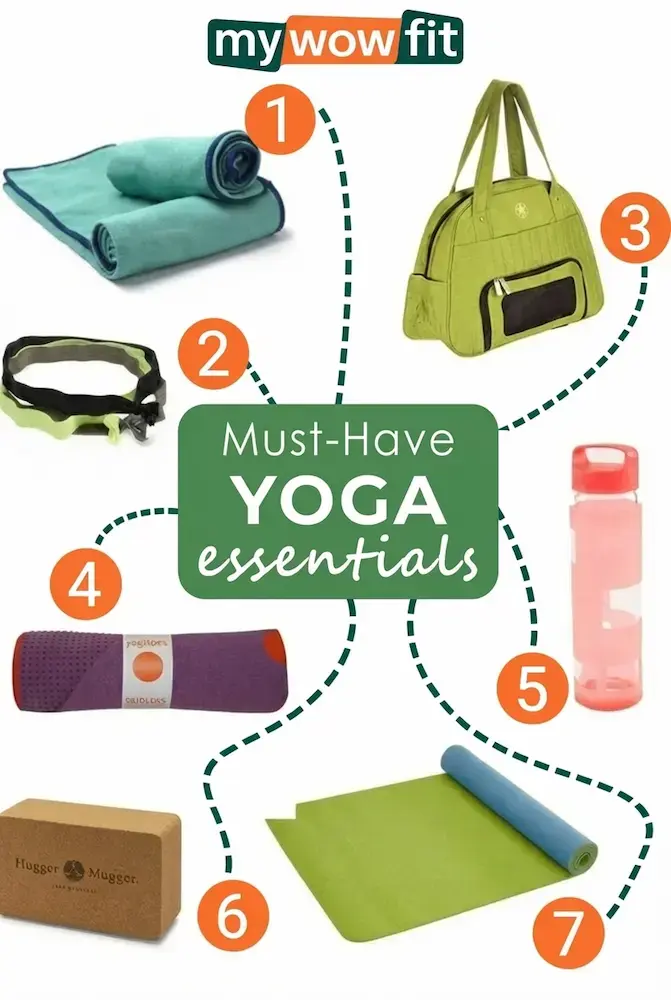
    Essential Yoga Equipment

    Item
    Cost
    Necessity
    Yoga Mat
    $20-50
    Essential
    Yoga Blocks
    $10-20
    Recommended
    Yoga Strap
    $15-30
    Optional
    Clothing
    $30-100
    Essential
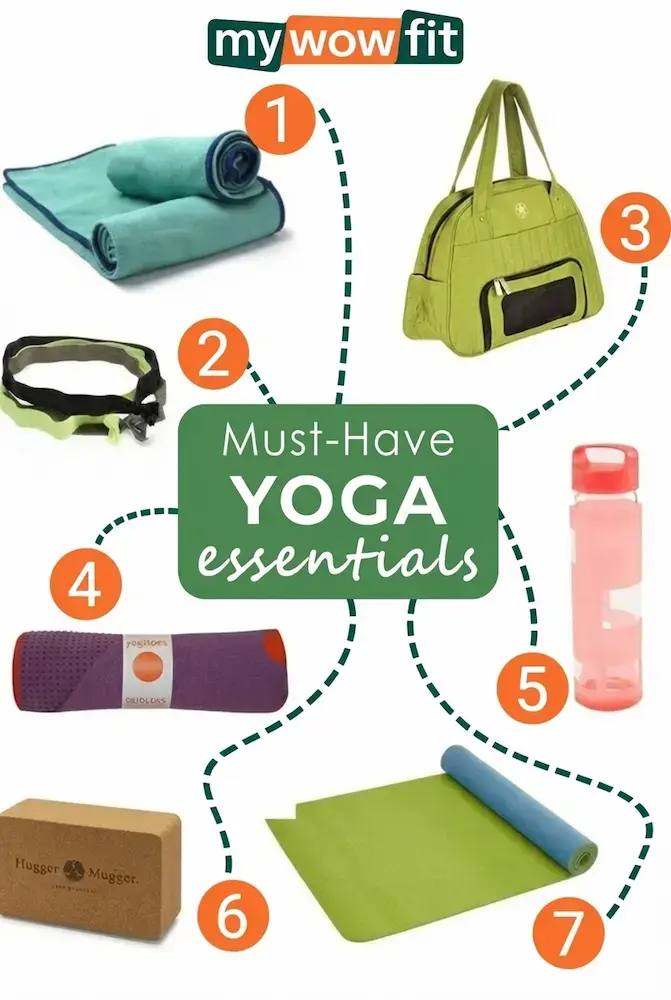
    yoga equipment

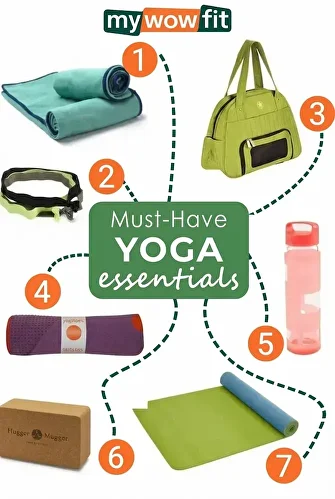
    1. The Right Yoga Mat: A good yoga mat is arguably the most crucial piece of equipment. It provides cushioning and grip, preventing slipping and allowing you to maintain to do yoga poses safely. Choose a mat that is thick enough to be comfortable and has a non-slip surface.

    2. Yoga Blocks: Yoga blocks are helpful for beginners as they help to bridge the gap when you can’t reach the floor, aiding in proper alignment and stability. They can also be used to deepen stretches as you progress.

    3. Yoga Strap: A yoga strap helps to extend your reach and make certain poses more accessible, particularly when working on flexibility. It is not essential for all beginners, but can be beneficial for some.

    4. Comfortable Clothing: Wear comfortable, breathable clothing that allows for a full range of motion. Avoid baggy clothes that could get in the way during your practice. You might also need socks if you’re practicing in a colder area, though many people prefer to practice barefoot.

    Getting Started: Your First Yoga Practice

    Now that you’ve gathered your equipment, let’s explore how to get started with yoga. It can seem overwhelming at first, but it is very attainable. When considering how do you do yoga, remember that it is a journey and not a race.

    1. Find a Quiet Space

    To embark on a successful yoga journey, particularly understanding how often should you do yoga as a beginner, finding a cozy spot where you won't be disturbed is paramount. This could involve designating a quiet corner within your home, utilizing a spare room, or even practicing outdoors in pleasant weather conditions. The primary objective is to cultivate a space that promotes relaxation and comfort.

    2. Start with Basic Poses

    And as you're just starting out with yoga, begin with some simple poses. These foundational poses serve to develop strength, flexibility, and an enhanced awareness of your body. Take your time and focus on doing the poses correctly rather than trying to do them quickly. [3]
    Here are a few beginner-friendly poses to include in your initial doing yoga sessions.

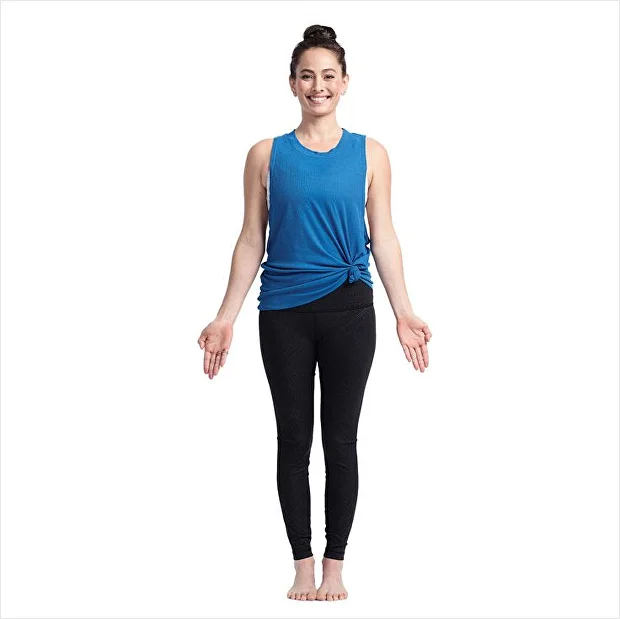
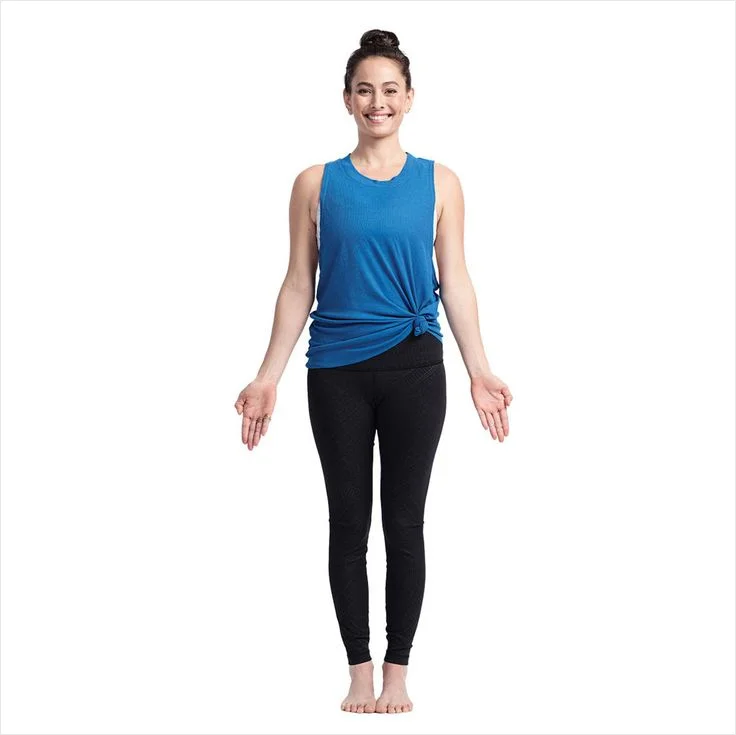
    Mountain Pose (Tadasana)
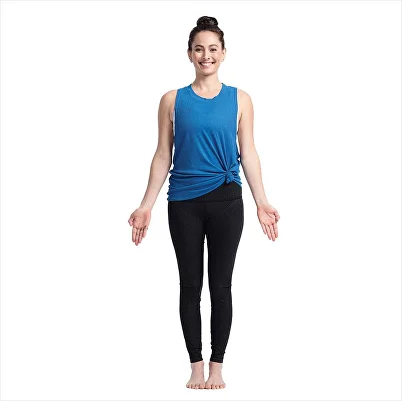
    Mountain Pose (Tadasana)
  • Stand tall with feet hip-width apart.
  • Ground your feet firmly, lift through the crown of your head.
  • Engage your core and relax your shoulders.
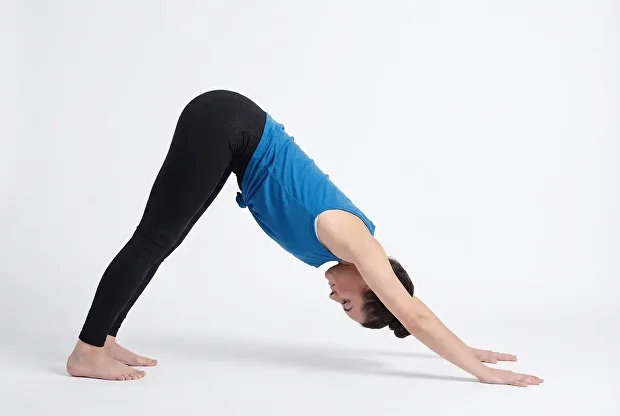
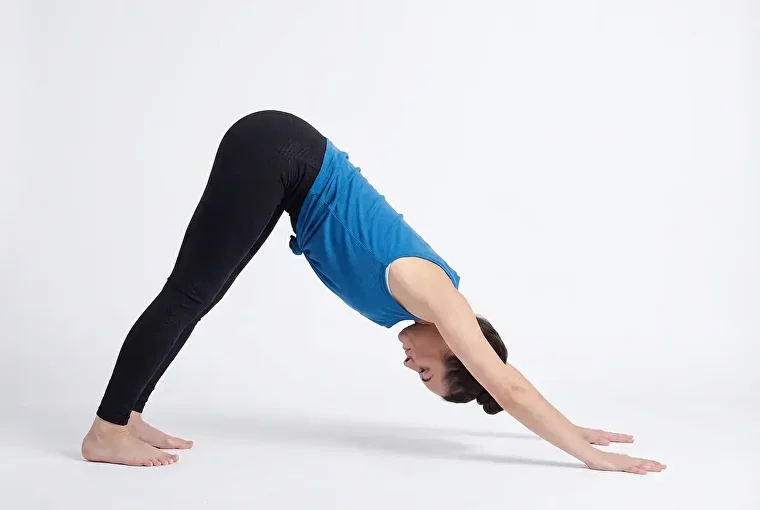
  • Downward-Facing Dog (Adho Mukha Svanasana)
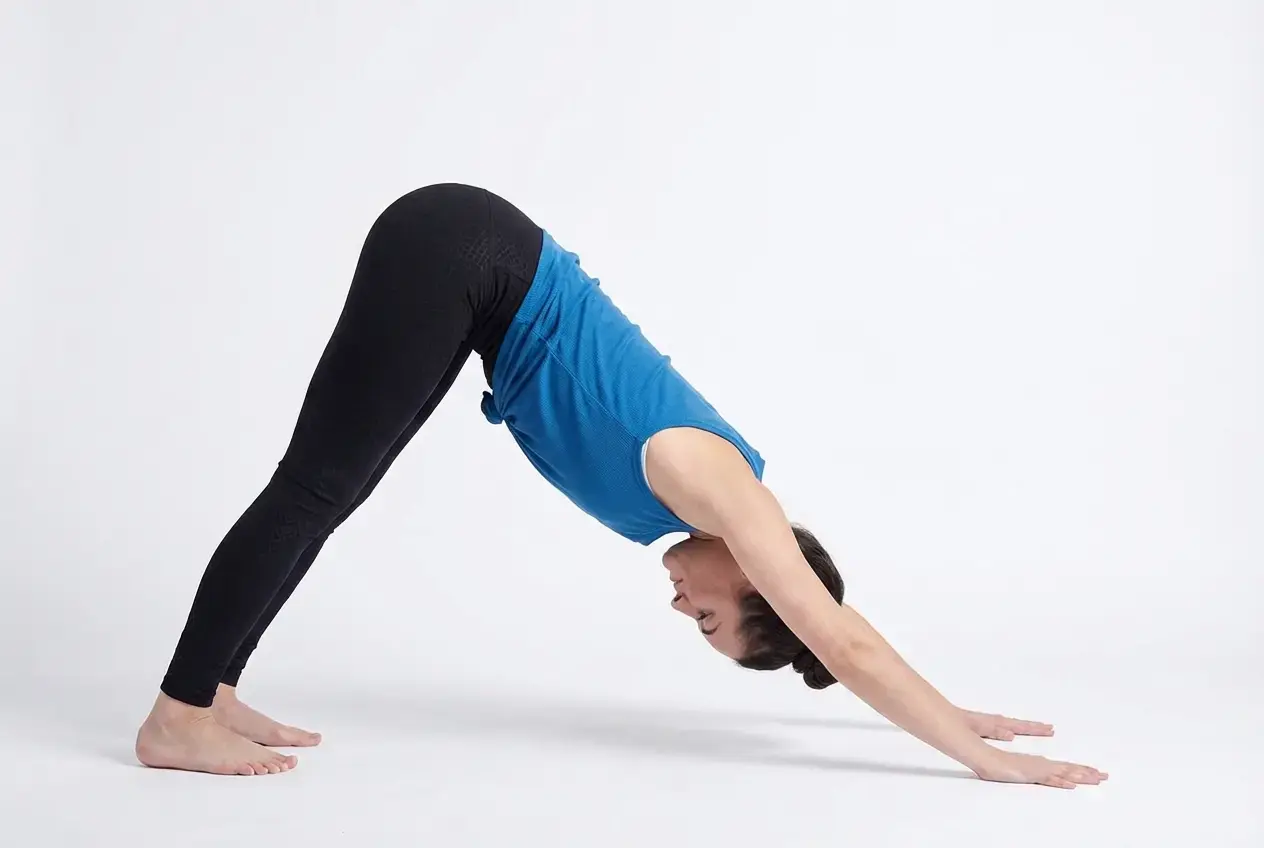
    Downward-Facing Dog (Adho Mukha Svanasana)
  • Start on your hands and knees.
  • Lift your hips up and back, forming an inverted V-shape.
  • Press into your hands and feet, keeping your neck relaxed
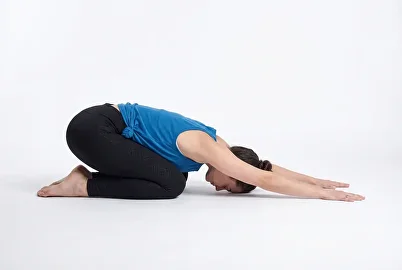
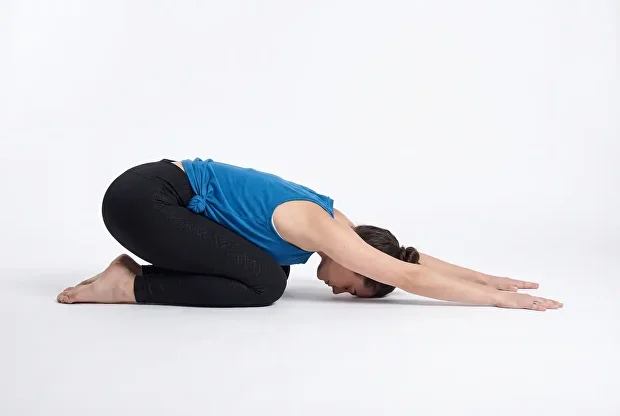
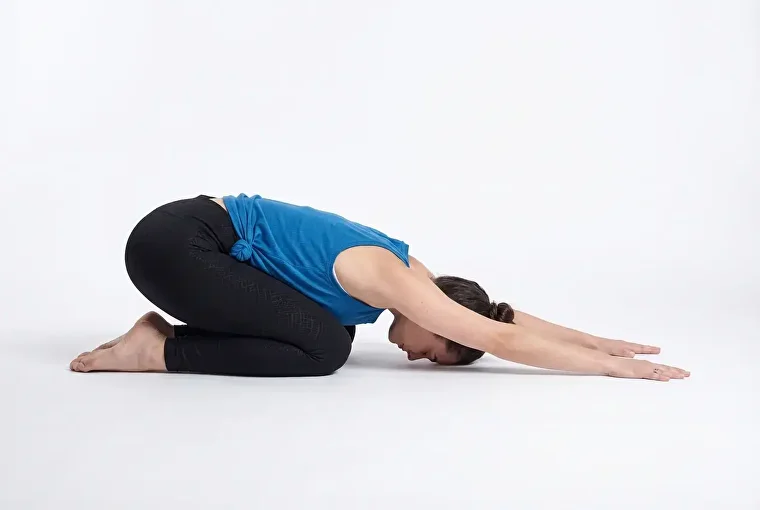
  • Child's Pose (Balasana)

    Child's Pose (Balasana)
  • Kneel on the floor, sit back on your heels.
  • Fold forward, bringing your forehead to the floor.
  • Extend your arms forward or rest them alongside your body.
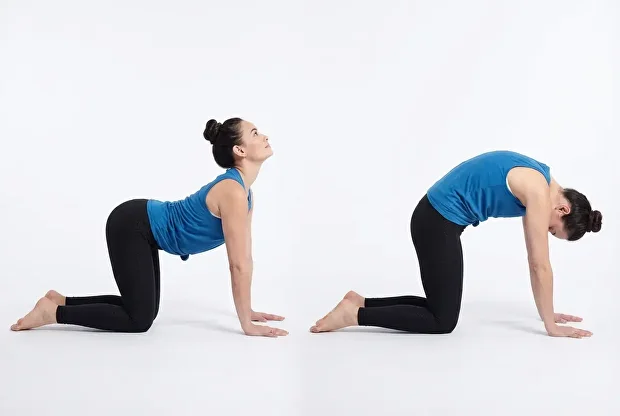
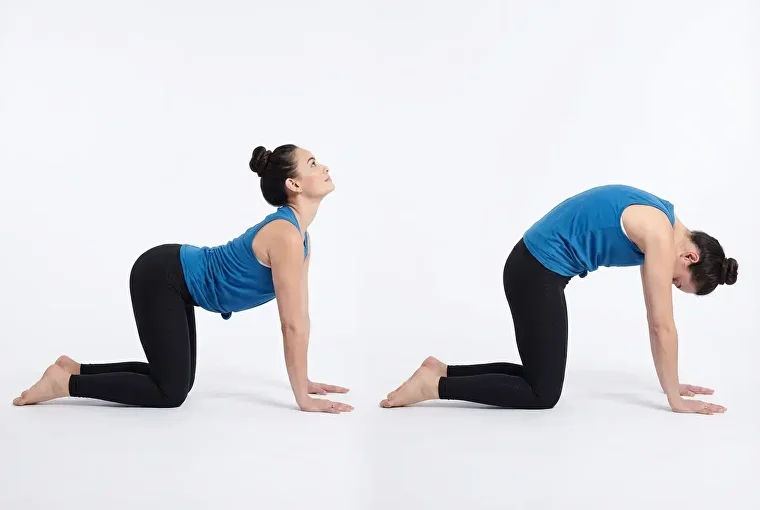
  • Cat-Cow Pose (Marjaryasana to Bitilasana)
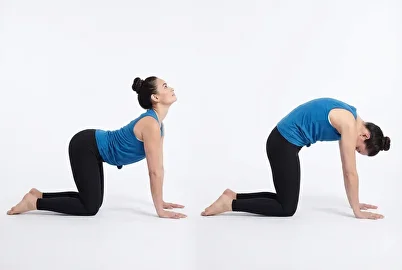
    Cat-Cow Pose (Marjaryasana to Bitilasana)
  • Start on your hands and knees, keeping your hands under your shoulders and knees under your hips.
  • Inhale, drop your belly towards the floor, and lift your head. This is Cow pose.
  • Exhale, round your spine and tuck your chin toward your chest. This is Cat pose.
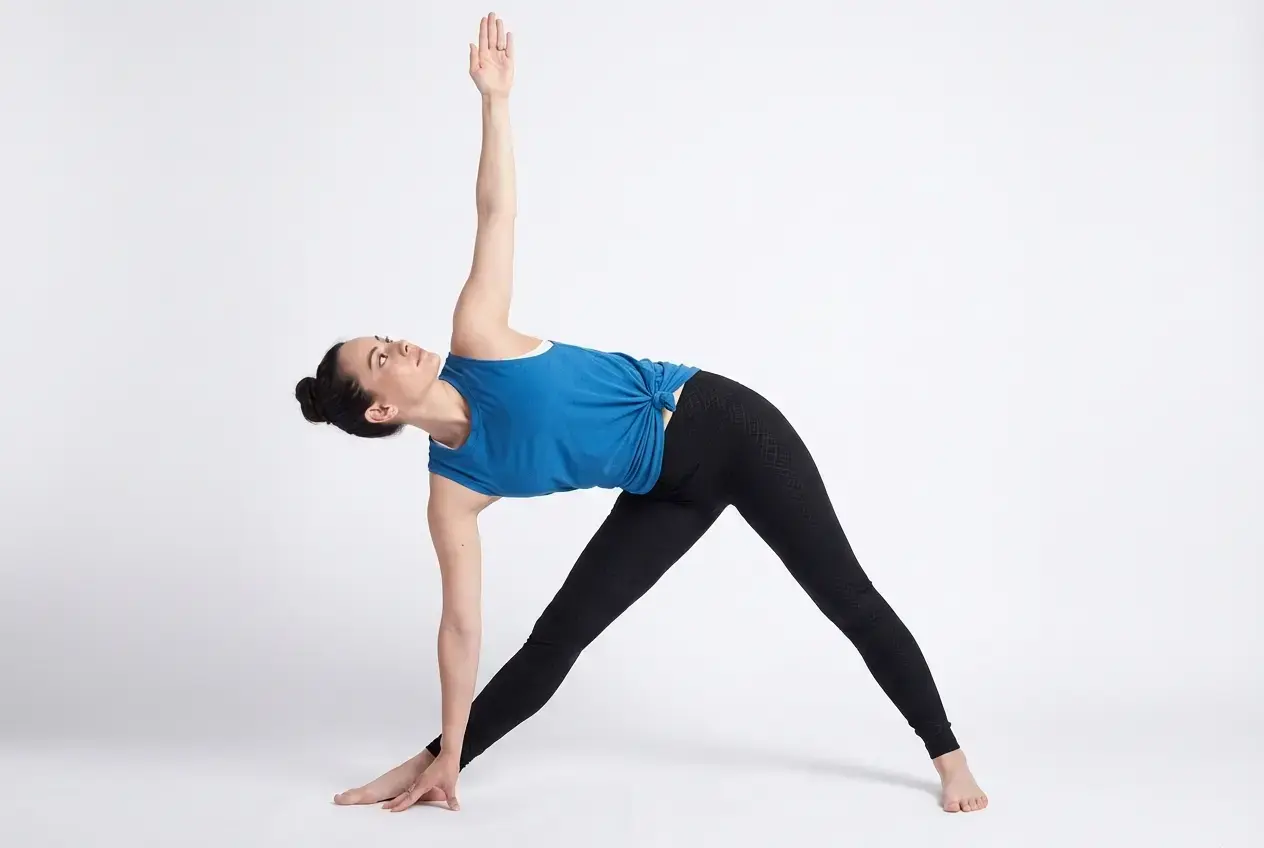
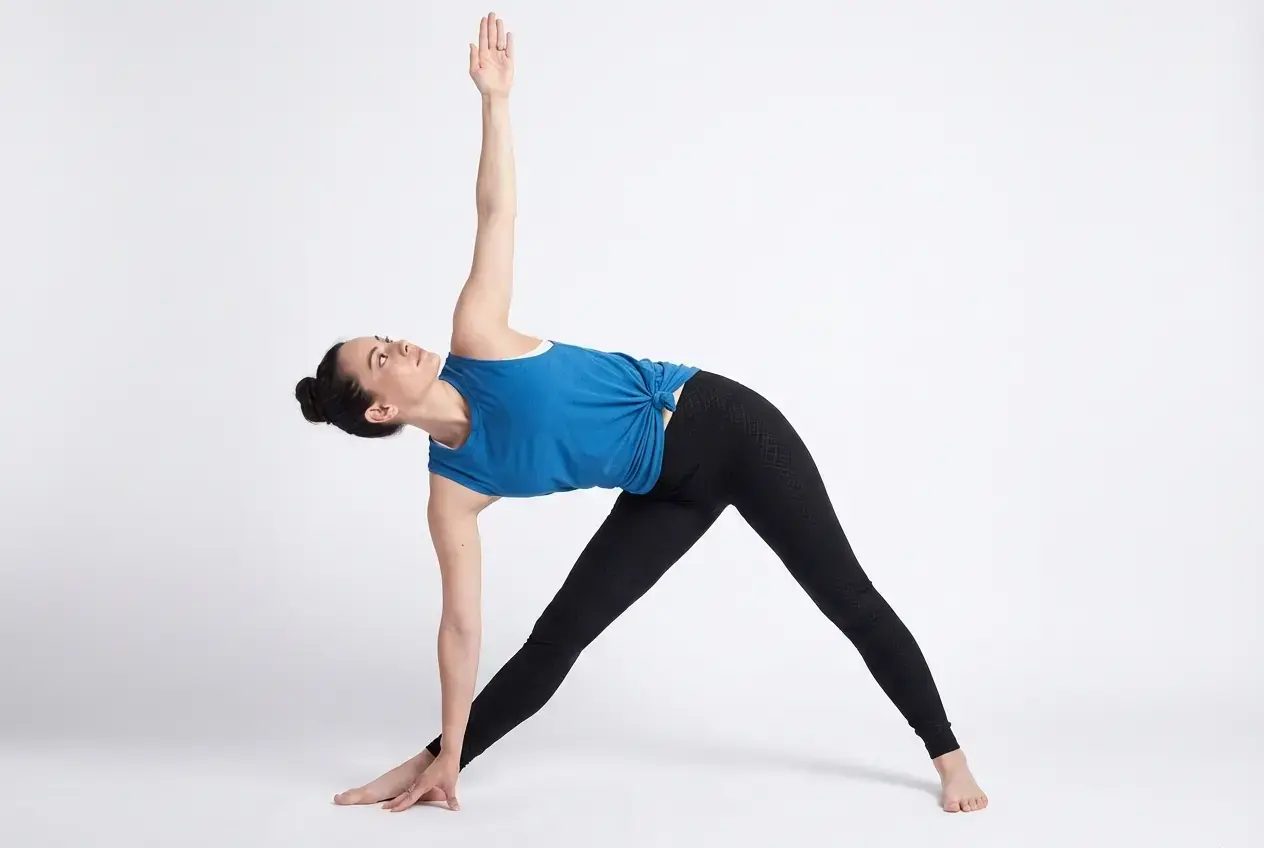
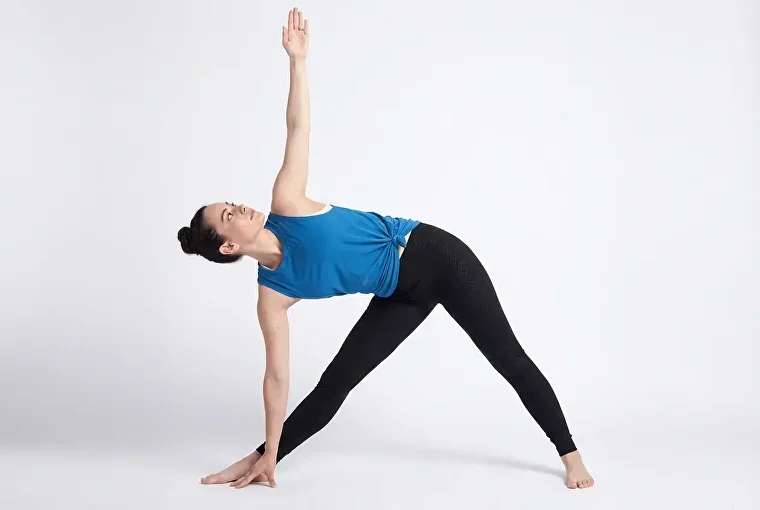
  • Triangle Pose (Trikonasana)

    Triangle Pose (Trikonasana)
  • Stand with your feet wide apart.
  • Turn your right foot out 90 degrees and your left foot slightly inward.
  • Reach your right hand towards the floor and left hand towards the sky.
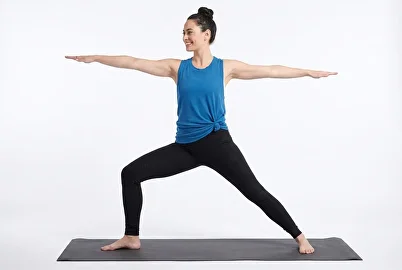
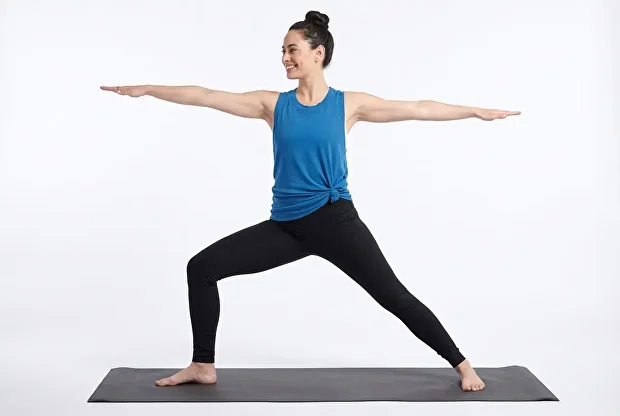
  • Warrior Pose (Virabhadrasana I, II)

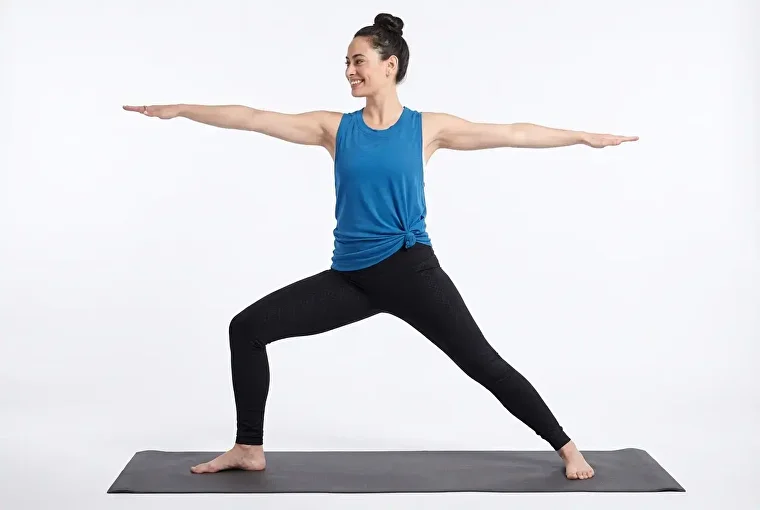
    Warrior Pose (Virabhadrasana I, II)
  • Starting in Mountain pose, step your left foot back about 3-4 feet, turning it 45 degrees.
  • Bend your right knee over your right ankle. Your left leg should be strong.
  • Bring your arms up to the ceiling and press your palms together.
  •  Warrior II is similar, but you bring your arms parallel to the floor, facing forward.

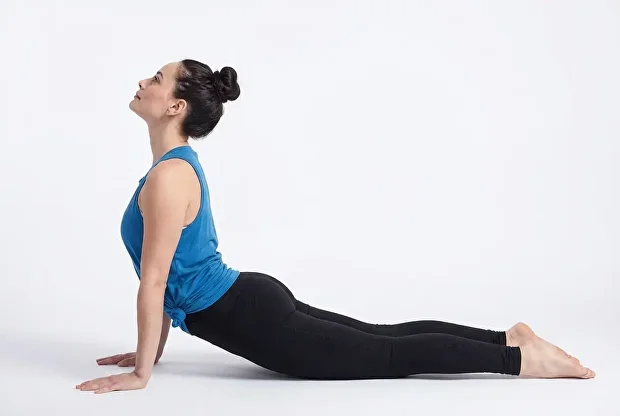
    Cobra Pose (Bhujangasana)
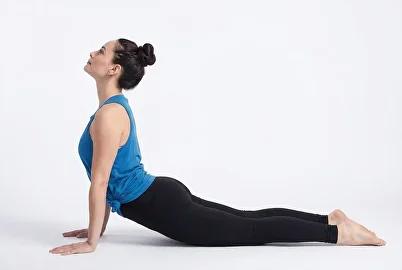
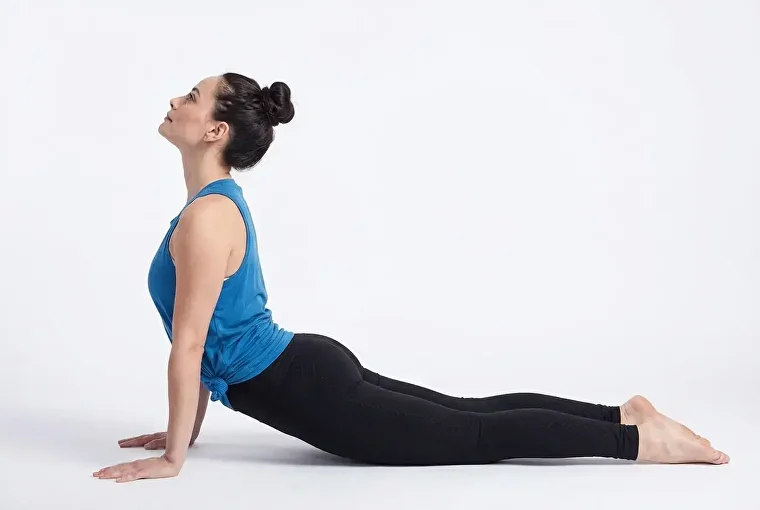
    Cobra Pose (Bhujangasana)
  • Lie on your stomach with your legs extended behind you.
  • Place your hands directly under your shoulders.
  • Push into your hands and lift your chest off the floor, keeping your hips on the mat.
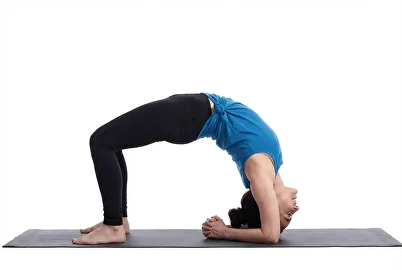
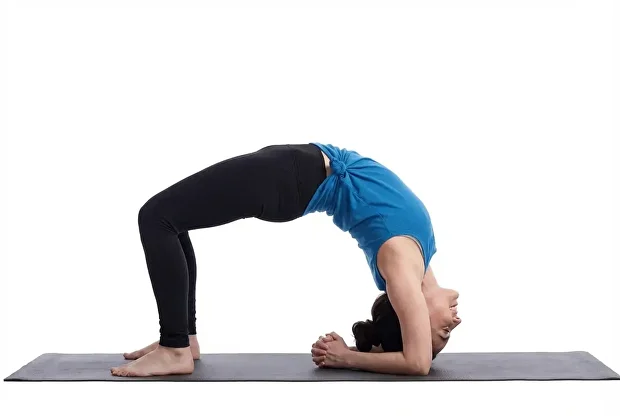
  • Bridge Pose (Setu Bandhasana)

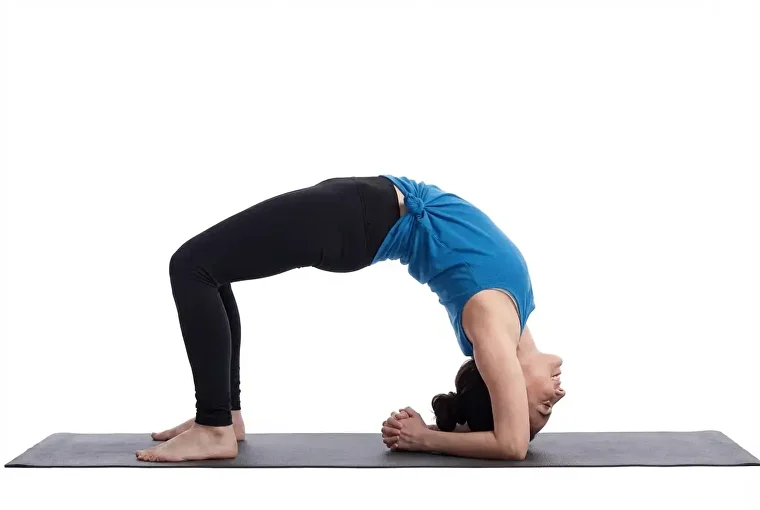
    Bridge Pose (Setu Bandhasana)
  • Lie on your back with your knees bent and your feet flat on the floor.
  • Push into your feet and lift your hips off the floor.
  • Keep your shoulders and neck relaxed.
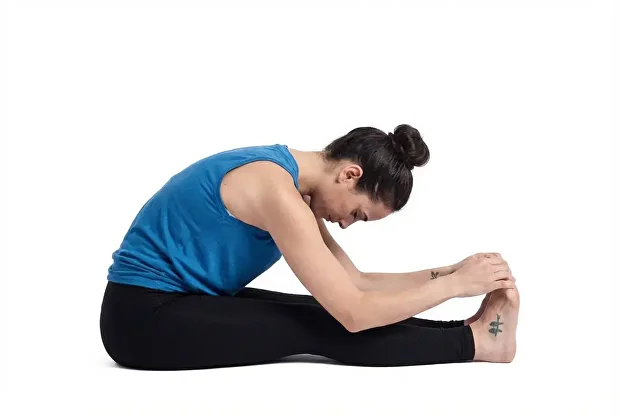
  • Seated Forward Bend (Paschimottanasana)
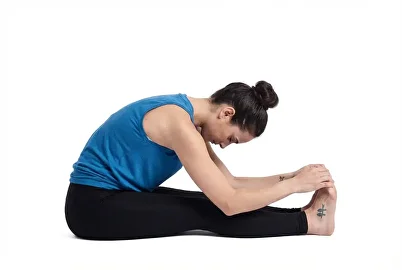
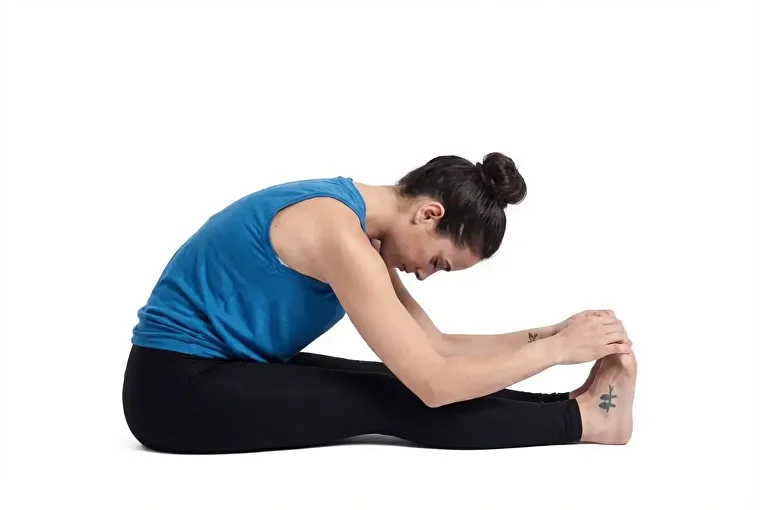
    Seated Forward Bend (Paschimottanasana)
  • Sit with your legs extended straight out in front of you.
  • Inhale and lengthen your spine, exhale and fold forward at your hips.
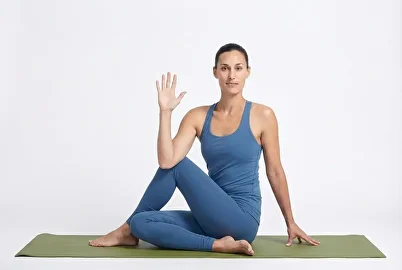
  • Seated Easy Pose (Sukhasana)

    Seated Easy Pose (Sukhasana)
  • Sit on the floor with your legs crossed.
  • Relax your hands on your knees and focus on your breath.
  • 3. Focus on Your Breath

    Pranayama, or breathwork, is a fundamental element of yoga practice. Practitioners should prioritize deep, rhythmic breathing throughout their session, inhaling through the nose and exhaling through either the nose or mouth. This sensible attention to breath is crucial for initiating a successful yoga practice. [4]

    4. Practice Mindfulness

    Yoga extends beyond the physical; it encourages present moment awareness. Participants are encouraged to tune into bodily sensations and release distractions during their practice, striving to attain a state of mindfulness.

    5. Establish a Routine

    Establishing a consistent routine is crucial for progress. Set out specific time slots for yoga practice each week, even if initially brief. Gradually extend the duration as you gain experience. Maintaining a journal to document your journey and reflections can enhance self-awareness and motivation.

    6. Find a Class or Instructor

    To begin practicing yoga effectively, consider seeking instruction from a qualified professional. Participating in a local class allows for personalized feedback from a certified instructor, ensuring proper alignment and injury prevention. If in-person classes are inaccessible, numerous online platforms offer beginner-friendly sessions that can be done at home.
    Swati, Yoga Teacher, Mywowfit
    To ensure you start your yoga practice safely and effectively, consider the benefits of personalized instruction. Ramashna, a certified Mywowfit trainer, provides expert guidance and support, helping you build a strong foundation and progress at your own pace. Book a session to learn more and begin your journey today.

    Building a Sustainable Yoga Practice

    Starting a yoga practice is more than just doing poses. It’s about creating a consistent and mindful habit.

    1. Set Realistic Goals: Begin with small, achievable goals and gradually increase the time and frequency of your practice as you feel more confident. This makes it easier to stick with it in the long run.

    2. Be Patient: Don’t expect to become a yoga master overnight. Remember that yoga is a process, and everyone learns at their own pace. Progress takes time, so be patient with yourself and celebrate small victories.

    3. Listen to Your Body: Notice how do you do yoga. If something feels painful, stop and adjust the pose. Respect your limits and don't push yourself too hard.

    4. Explore Different Styles: As you get more experienced, explore different types of yoga to discover what styles you enjoy the most.

    Conclusion: Begin Your Yoga Journey

    Initiating a yoga practice can be one of the most beneficial decisions for enhancing both physical and mental well-being. Doing yoga is not merely a physical discipline; it encompasses a holistic approach to health, fostering mindfulness, relaxation, and a profound connection between body and mind.

    Yoga is one of the most accessible and beneficial forms of exercise you can start at home.

    With just a mat, a few beginner poses, and a commitment to consistency, you can improve your:
    • flexibility
    • strength
    • posture
    • balance
    • mental wellbeing

    Remember: yoga isn’t about perfection. It’s about building a stronger, healthier relationship with your body. Start slowly, stay consistent, and enjoy the process.
    Your yoga journey begins with one simple practice.

    FAQ

    How does a beginner start yoga? A beginner should start with basic poses like mountain pose, downward-facing dog, and child’s pose. Focus on proper alignment and breath. Consider using online classes or visiting a local studio for guidance.

    How do I teach myself to start yoga? You can teach yourself to start yoga using online videos, apps, and books. However, consider starting with a few in-person sessions to learn proper alignment and form.

    What type of yoga should a beginner start with? Beginners should start with Hatha or Restorative yoga, which are slower paced and focus on the fundamentals of basic poses. These types are less intense and are better for building a strong foundation.

    How often should you do yoga as a beginner? As a beginner, aim to practice 2-3 times a week for 20-30 minutes. Gradually increase the frequency and duration as you become more comfortable with the practice.

    Starting a yoga practice with confidence using Mywowfit accessible and safe at-home yoga programs. Designed specifically for beginners, our personalized plans, delivered via Zoom, provide expert instruction and modifications to accommodate various fitness levels and physical limitations. Enjoy a supportive and encouraging environment as you learn fundamental yoga poses and cultivate mindfulness, all at your own pace and in the comfort of your home. What is the difference between online vs offline?
    ai fitness apps
    In-person trainer
    from $24
    /session
    from $90
    /session
    from $50
    /month
    Yes
    still training
    6 a.m. or 9 p.m. — your call
    Limited hours
    No real-time support
    Arthritis, menopause, post-op, burnout
    Trainer live on Zoom
    Change times weekly via app
    Home, hotel, office
    97%
    83%
    Only 7%
    Train online from anywhere
    Flexible scheduling
    Real accountability
    Certified for special conditions
    24/7 in your time zone
    6-month consistency
    HSA/FSA Eligible
    Pricing
  • Truly personalized, human coaching
  • Flexible, anytime-anywhere training
  • Lifelong consistency: no burnout, no injuries
  • 1-on-1 Workouts & Custom Fitness Plans with Online Personal Trainer

    ★★★★★ 4.8 out of 5 across 600+ reviews
    References / Sources

    Responses (5)

    Leah
    Love how this makes yoga feel approachable, even for someone as stiff as me!
    Ravi
    The basic poses list is perfect. Starting with Mountain and Child’s Pose today.
    Isla
    The breathing tips really help me slow down and stay mindful.
    Jonah
    Appreciate the focus on creating a routine instead of rushing progress.
    Mila
    Finally understand what equipment I actually need to start—keeping it simple.

    You may also be interested

    Learn the best exercises for foot and ankle pain recovery at home. Discover mobility drills, strengthening routines, and balance training. Get personalized online coaching from Mywowfit trainers to regain comfort and stability safely.
    Discover how to recover from shin splints and prevent recurrence with Mywowfit’s personalized online training. Learn mobility drills, strengthening exercises, and smart running techniques to stay injury-free.
    Learn how to prevent ligament injuries with targeted strength training for joint stability. Discover exercises, common mistakes to avoid, and personalized Mywowfit online coaching to protect your knees, ankles, and wrists.

    Meet some of our trainers

    mywowfit logo
    © 2021-2025 Together with Online Fitness Technologies Inc.
    All rights reserved
    Useful Links
    Documentation
    Contact Us
    +1 585 968 4022 – USA & GLOBAL
    +44 (74) 6216 9964 – UK
    +372 669 2444 – EUROPE
    Headquarters:
    USA, 1111B S Governors Ave #6047 Dover, DE 19904, Online Fitness Technologies INC
    Locations
    Headquarters:
    EU and UK: MYWOWFIT OU, Estonia, Harju maakond, Tallinn, Kesklinna linnaosa, Tornimäe tn 3 // 5 // 7, 10145
    5.0
    4.9
    mywowfit logo

    How to Start Yoga: The Ultimate Beginner’s Guide To Yoga Practice at home

    5
    Last updated: 13/03/2026
    Author: Emma Jonson
    Medically reviewed by Maria Vasquez, NASM Certified Personal Trainer and Sports Nutrition Coach with expertise in Functional Training and Running Coaching. CPR/AED certified for safe, effective workouts. Dedicated to helping you achieve strength, endurance, and optimal health.
    Yoga is one of the most effective ways to improve flexibility, build strength, reduce stress, and reconnect with your body, and the best part is that you can start practicing right at home.

    You don’t need extreme flexibility, expensive equipment, or years of experience. With just a small space, a yoga mat, and a few beginner-friendly poses, you can begin building a routine that improves both physical fitness and mental clarity.

    Why Start Yoga?

    Yoga is more than just working out; it helps you connect with yourself on a deeper level, leading to better physical health and a calmer mind.

    Holistic Wellness: Yoga is a comprehensive practice that emphasizes the interconnectedness of physical, mental, and spiritual well-being. Its benefits extend beyond mere physical fitness, encompassing emotional stability, mental clarity, and a sense of inner peace.

    Physical Benefits: Regular participation in yoga can lead to improved flexibility, strength, endurance, and posture. It has also been shown to alleviate chronic pain and enhance cardiovascular health. [1]

    Mental Health: Moreover, yoga's emphasis on breathing techniques and mindfulness practices contributes significantly to stress reduction, anxiety management, and improved focus. Many people find yoga to be a therapeutic tool for self-reflection and personal growth.

    Community and Support: The communal aspect of yoga fosters a sense of belonging and support, encouraging practitioners to connect with like-minded individuals who share values of self-care and respect. This supportive environment can enhance motivation and enrich the overall experience.

    Personal Growth: Yoga empowers individuals to develop stretching fitness body awareness, understand their physical and mental limitations, and gradually expand their capabilities. This journey of self-discovery cultivates discipline, resilience, and personal growth that transcends the practice itself.

  • Truly personalized, human coaching
  • Flexible, anytime-anywhere training
  • Lifelong consistency: no burnout, no injuries
  • 1-on-1 Workouts & Custom Fitness Plans with Online Personal Trainer

    ★★★★★ 4.8 out of 5 across 600+ reviews

    Benefits of Yoga

    According to latest research, the pursuit of yoga offers substantial personal growth and well-being. Approaching it with receptivity and curiosity allows individuals to access its many advantages. Whether seeking improved physical health, stress reduction, or inner peace, yoga can lead to a more harmonious and meaningful existence. [2]
    Aspect
    Physical Effect
    Mental Effect
    Regular Practice
    35% Flexibility Increase
    40% Stress Reduction
    3 Months Duration
    25% Strength Improvement
    30% Concentration Boost
    Psycho-Emotional Impact
    Posture Correction
    Anxiety Reduction

    Preparing for Your Yoga Journey

    The first step is understanding what do you need to do yoga. Don’t worry, it’s not as daunting as it might seem! Knowing what do you need to start yoga and how do you do yoga are important for both comfort and safety.

    Essential Yoga Equipment

    Item
    Cost
    Necessity
    Yoga Mat
    $20-50
    Essential
    Yoga Blocks
    $10-20
    Recommended
    Yoga Strap
    $15-30
    Optional
    Clothing
    $30-100
    Essential
    yoga equipment

    1. The Right Yoga Mat: A good yoga mat is arguably the most crucial piece of equipment. It provides cushioning and grip, preventing slipping and allowing you to maintain to do yoga poses safely. Choose a mat that is thick enough to be comfortable and has a non-slip surface.

    2. Yoga Blocks: Yoga blocks are helpful for beginners as they help to bridge the gap when you can’t reach the floor, aiding in proper alignment and stability. They can also be used to deepen stretches as you progress.

    3. Yoga Strap: A yoga strap helps to extend your reach and make certain poses more accessible, particularly when working on flexibility. It is not essential for all beginners, but can be beneficial for some.

    4. Comfortable Clothing: Wear comfortable, breathable clothing that allows for a full range of motion. Avoid baggy clothes that could get in the way during your practice. You might also need socks if you’re practicing in a colder area, though many people prefer to practice barefoot.

    Getting Started: Your First Yoga Practice

    Now that you’ve gathered your equipment, let’s explore how to get started with yoga. It can seem overwhelming at first, but it is very attainable. When considering how do you do yoga, remember that it is a journey and not a race.

    1. Find a Quiet Space

    To embark on a successful yoga journey, particularly understanding how often should you do yoga as a beginner, finding a cozy spot where you won't be disturbed is paramount. This could involve designating a quiet corner within your home, utilizing a spare room, or even practicing outdoors in pleasant weather conditions. The primary objective is to cultivate a space that promotes relaxation and comfort.

    2. Start with Basic Poses

    And as you're just starting out with yoga, begin with some simple poses. These foundational poses serve to develop strength, flexibility, and an enhanced awareness of your body. Take your time and focus on doing the poses correctly rather than trying to do them quickly. [3]
    Here are a few beginner-friendly poses to include in your initial doing yoga sessions.

    Mountain Pose (Tadasana)

    Mountain Pose (Tadasana)
  • Stand tall with feet hip-width apart.
  • Ground your feet firmly, lift through the crown of your head.
  • Engage your core and relax your shoulders.
  • Downward-Facing Dog (Adho Mukha Svanasana)

    Downward-Facing Dog (Adho Mukha Svanasana)
  • Start on your hands and knees.
  • Lift your hips up and back, forming an inverted V-shape.
  • Press into your hands and feet, keeping your neck relaxed
  • Child's Pose (Balasana)

    Child's Pose (Balasana)
  • Kneel on the floor, sit back on your heels.
  • Fold forward, bringing your forehead to the floor.
  • Extend your arms forward or rest them alongside your body.
  • Cat-Cow Pose (Marjaryasana to Bitilasana)

    Cat-Cow Pose (Marjaryasana to Bitilasana)
  • Start on your hands and knees, keeping your hands under your shoulders and knees under your hips.
  • Inhale, drop your belly towards the floor, and lift your head. This is Cow pose.
  • Exhale, round your spine and tuck your chin toward your chest. This is Cat pose.
  • Triangle Pose (Trikonasana)

    Triangle Pose (Trikonasana)
  • Stand with your feet wide apart.
  • Turn your right foot out 90 degrees and your left foot slightly inward.
  • Reach your right hand towards the floor and left hand towards the sky.
  • Warrior Pose (Virabhadrasana I, II)

    Warrior Pose (Virabhadrasana I, II)
  • Starting in Mountain pose, step your left foot back about 3-4 feet, turning it 45 degrees.
  • Bend your right knee over your right ankle. Your left leg should be strong.
  • Bring your arms up to the ceiling and press your palms together.
  •  Warrior II is similar, but you bring your arms parallel to the floor, facing forward.

    Cobra Pose (Bhujangasana)

    Cobra Pose (Bhujangasana)
  • Lie on your stomach with your legs extended behind you.
  • Place your hands directly under your shoulders.
  • Push into your hands and lift your chest off the floor, keeping your hips on the mat.
  • Bridge Pose (Setu Bandhasana)

    Bridge Pose (Setu Bandhasana)
  • Lie on your back with your knees bent and your feet flat on the floor.
  • Push into your feet and lift your hips off the floor.
  • Keep your shoulders and neck relaxed.
  • Seated Forward Bend (Paschimottanasana)

    Seated Forward Bend (Paschimottanasana)
  • Sit with your legs extended straight out in front of you.
  • Inhale and lengthen your spine, exhale and fold forward at your hips.
  • Seated Easy Pose (Sukhasana)

    Seated Easy Pose (Sukhasana)
  • Sit on the floor with your legs crossed.
  • Relax your hands on your knees and focus on your breath.
  • 3. Focus on Your Breath

    Pranayama, or breathwork, is a fundamental element of yoga practice. Practitioners should prioritize deep, rhythmic breathing throughout their session, inhaling through the nose and exhaling through either the nose or mouth. This sensible attention to breath is crucial for initiating a successful yoga practice. [4]

    4. Practice Mindfulness

    Yoga extends beyond the physical; it encourages present moment awareness. Participants are encouraged to tune into bodily sensations and release distractions during their practice, striving to attain a state of mindfulness.

    5. Establish a Routine

    Establishing a consistent routine is crucial for progress. Set out specific time slots for yoga practice each week, even if initially brief. Gradually extend the duration as you gain experience. Maintaining a journal to document your journey and reflections can enhance self-awareness and motivation.

    6. Find a Class or Instructor

    To begin practicing yoga effectively, consider seeking instruction from a qualified professional. Participating in a local class allows for personalized feedback from a certified instructor, ensuring proper alignment and injury prevention. If in-person classes are inaccessible, numerous online platforms offer beginner-friendly sessions that can be done at home.
    Swati, Yoga Teacher, Mywowfit
    To ensure you start your yoga practice safely and effectively, consider the benefits of personalized instruction. Ramashna, a certified Mywowfit trainer, provides expert guidance and support, helping you build a strong foundation and progress at your own pace. Book a session to learn more and begin your journey today.

    Building a Sustainable Yoga Practice

    Starting a yoga practice is more than just doing poses. It’s about creating a consistent and mindful habit.

    1. Set Realistic Goals: Begin with small, achievable goals and gradually increase the time and frequency of your practice as you feel more confident. This makes it easier to stick with it in the long run.

    2. Be Patient: Don’t expect to become a yoga master overnight. Remember that yoga is a process, and everyone learns at their own pace. Progress takes time, so be patient with yourself and celebrate small victories.

    3. Listen to Your Body: Notice how do you do yoga. If something feels painful, stop and adjust the pose. Respect your limits and don't push yourself too hard.

    4. Explore Different Styles: As you get more experienced, explore different types of yoga to discover what styles you enjoy the most.

    Conclusion: Begin Your Yoga Journey

    Initiating a yoga practice can be one of the most beneficial decisions for enhancing both physical and mental well-being. Doing yoga is not merely a physical discipline; it encompasses a holistic approach to health, fostering mindfulness, relaxation, and a profound connection between body and mind.

    Yoga is one of the most accessible and beneficial forms of exercise you can start at home.

    With just a mat, a few beginner poses, and a commitment to consistency, you can improve your:
    • flexibility
    • strength
    • posture
    • balance
    • mental wellbeing

    Remember: yoga isn’t about perfection. It’s about building a stronger, healthier relationship with your body. Start slowly, stay consistent, and enjoy the process.
    Your yoga journey begins with one simple practice.

    FAQ

    How does a beginner start yoga? A beginner should start with basic poses like mountain pose, downward-facing dog, and child’s pose. Focus on proper alignment and breath. Consider using online classes or visiting a local studio for guidance.

    How do I teach myself to start yoga? You can teach yourself to start yoga using online videos, apps, and books. However, consider starting with a few in-person sessions to learn proper alignment and form.

    What type of yoga should a beginner start with? Beginners should start with Hatha or Restorative yoga, which are slower paced and focus on the fundamentals of basic poses. These types are less intense and are better for building a strong foundation.

    How often should you do yoga as a beginner? As a beginner, aim to practice 2-3 times a week for 20-30 minutes. Gradually increase the frequency and duration as you become more comfortable with the practice.

    Starting a yoga practice with confidence using Mywowfit accessible and safe at-home yoga programs. Designed specifically for beginners, our personalized plans, delivered via Zoom, provide expert instruction and modifications to accommodate various fitness levels and physical limitations. Enjoy a supportive and encouraging environment as you learn fundamental yoga poses and cultivate mindfulness, all at your own pace and in the comfort of your home. What is the difference between online vs offline?
    ai fitness apps
    In-person trainer
    from $24
    /session
    from $90
    /session
    from $50
    /month
    Yes
    still training
    6 a.m. or 9 p.m. — your call
    Limited hours
    No real-time support
    Arthritis, menopause, post-op, burnout
    Trainer live on Zoom
    Change times weekly via app
    Home, hotel, office
    97%
    83%
    Only 7%
    Train online from anywhere
    Flexible scheduling
    Real accountability
    Certified for special conditions
    24/7 in your time zone
    6-month consistency
    HSA/FSA Eligible
    Pricing
  • Truly personalized, human coaching
  • Flexible, anytime-anywhere training
  • Lifelong consistency: no burnout, no injuries
  • 1-on-1 Workouts & Custom Fitness Plans with Online Personal Trainer

    ★★★★★ 4.8 out of 5 across 600+ reviews
    References / Sources

    Responses (5)

    Leah
    Love how this makes yoga feel approachable, even for someone as stiff as me!
    Ravi
    The basic poses list is perfect. Starting with Mountain and Child’s Pose today.
    Isla
    The breathing tips really help me slow down and stay mindful.
    Jonah
    Appreciate the focus on creating a routine instead of rushing progress.
    Mila
    Finally understand what equipment I actually need to start—keeping it simple.

    You may also be interested

    Learn the best exercises for foot and ankle pain recovery at home. Discover mobility drills, strengthening routines, and balance training. Get personalized online coaching from Mywowfit trainers to regain comfort and stability safely.
    Discover how to recover from shin splints and prevent recurrence with Mywowfit’s personalized online training. Learn mobility drills, strengthening exercises, and smart running techniques to stay injury-free.
    Learn how to prevent ligament injuries with targeted strength training for joint stability. Discover exercises, common mistakes to avoid, and personalized Mywowfit online coaching to protect your knees, ankles, and wrists.

    Meet some of our trainers

    mywowfit logo
    © 2021-2025 Together with Online Fitness Technologies Inc.
    All rights reserved
    Useful Links
    Documentation
    Contact Us
    +1 585 968 4022 – USA & GLOBAL
    +44 (74) 6216 9964 – UK
    +372 669 2444 – EUROPE
    Headquarters:
    USA, 1111B S Governors Ave #6047 Dover, DE 19904, Online Fitness Technologies INC
    Locations
    Headquarters:
    EU and UK: MYWOWFIT OU, Estonia, Harju maakond, Tallinn, Kesklinna linnaosa, Tornimäe tn 3 // 5 // 7, 10145
    5.0
    4.9

    How to Start Yoga: The Ultimate Beginner’s Guide To Yoga Practice at home

    5
    Last updated: 13/03/2026
    Author: Emma Jonson
    Medically reviewed by Maria Vasquez, NASM Certified Personal Trainer and Sports Nutrition Coach with expertise in Functional Training and Running Coaching. CPR/AED certified for safe, effective workouts. Dedicated to helping you achieve strength, endurance, and optimal health.
    Yoga is one of the most effective ways to improve flexibility, build strength, reduce stress, and reconnect with your body, and the best part is that you can start practicing right at home.

    You don’t need extreme flexibility, expensive equipment, or years of experience. With just a small space, a yoga mat, and a few beginner-friendly poses, you can begin building a routine that improves both physical fitness and mental clarity.

    Why Start Yoga?

    Yoga is more than just working out; it helps you connect with yourself on a deeper level, leading to better physical health and a calmer mind.

    Holistic Wellness: Yoga is a comprehensive practice that emphasizes the interconnectedness of physical, mental, and spiritual well-being. Its benefits extend beyond mere physical fitness, encompassing emotional stability, mental clarity, and a sense of inner peace.

    Physical Benefits: Regular participation in yoga can lead to improved flexibility, strength, endurance, and posture. It has also been shown to alleviate chronic pain and enhance cardiovascular health. [1]

    Mental Health: Moreover, yoga's emphasis on breathing techniques and mindfulness practices contributes significantly to stress reduction, anxiety management, and improved focus. Many people find yoga to be a therapeutic tool for self-reflection and personal growth.

    Community and Support: The communal aspect of yoga fosters a sense of belonging and support, encouraging practitioners to connect with like-minded individuals who share values of self-care and respect. This supportive environment can enhance motivation and enrich the overall experience.

    Personal Growth: Yoga empowers individuals to develop stretching fitness body awareness, understand their physical and mental limitations, and gradually expand their capabilities. This journey of self-discovery cultivates discipline, resilience, and personal growth that transcends the practice itself.

  • Truly personalized, human coaching
  • Flexible, anytime-anywhere training
  • Lifelong consistency: no burnout, no injuries
  • 1-on-1 Workouts & Custom Fitness Plans with Online Personal Trainer

    ★★★★★ 4.8 out of 5 across 600+ reviews

    Benefits of Yoga

    According to latest research, the pursuit of yoga offers substantial personal growth and well-being. Approaching it with receptivity and curiosity allows individuals to access its many advantages. Whether seeking improved physical health, stress reduction, or inner peace, yoga can lead to a more harmonious and meaningful existence. [2]
    Aspect
    Physical Effect
    Mental Effect
    Regular Practice
    35% Flexibility Increase
    40% Stress Reduction
    3 Months Duration
    25% Strength Improvement
    30% Concentration Boost
    Psycho-Emotional Impact
    Posture Correction
    Anxiety Reduction

    Preparing for Your Yoga Journey

    The first step is understanding what do you need to do yoga. Don’t worry, it’s not as daunting as it might seem! Knowing what do you need to start yoga and how do you do yoga are important for both comfort and safety.

    Essential Yoga Equipment

    Item
    Cost
    Necessity
    Yoga Mat
    $20-50
    Essential
    Yoga Blocks
    $10-20
    Recommended
    Yoga Strap
    $15-30
    Optional
    Clothing
    $30-100
    Essential
    yoga equipment

    1. The Right Yoga Mat: A good yoga mat is arguably the most crucial piece of equipment. It provides cushioning and grip, preventing slipping and allowing you to maintain to do yoga poses safely. Choose a mat that is thick enough to be comfortable and has a non-slip surface.

    2. Yoga Blocks: Yoga blocks are helpful for beginners as they help to bridge the gap when you can’t reach the floor, aiding in proper alignment and stability. They can also be used to deepen stretches as you progress.

    3. Yoga Strap: A yoga strap helps to extend your reach and make certain poses more accessible, particularly when working on flexibility. It is not essential for all beginners, but can be beneficial for some.

    4. Comfortable Clothing: Wear comfortable, breathable clothing that allows for a full range of motion. Avoid baggy clothes that could get in the way during your practice. You might also need socks if you’re practicing in a colder area, though many people prefer to practice barefoot.

    Getting Started: Your First Yoga Practice

    Now that you’ve gathered your equipment, let’s explore how to get started with yoga. It can seem overwhelming at first, but it is very attainable. When considering how do you do yoga, remember that it is a journey and not a race.

    1. Find a Quiet Space

    To embark on a successful yoga journey, particularly understanding how often should you do yoga as a beginner, finding a cozy spot where you won't be disturbed is paramount. This could involve designating a quiet corner within your home, utilizing a spare room, or even practicing outdoors in pleasant weather conditions. The primary objective is to cultivate a space that promotes relaxation and comfort.

    2. Start with Basic Poses

    And as you're just starting out with yoga, begin with some simple poses. These foundational poses serve to develop strength, flexibility, and an enhanced awareness of your body. Take your time and focus on doing the poses correctly rather than trying to do them quickly. [3]
    Here are a few beginner-friendly poses to include in your initial doing yoga sessions.

    Mountain Pose (Tadasana)

    Mountain Pose (Tadasana)
  • Stand tall with feet hip-width apart.
  • Ground your feet firmly, lift through the crown of your head.
  • Engage your core and relax your shoulders.
  • Downward-Facing Dog (Adho Mukha Svanasana)

    Downward-Facing Dog (Adho Mukha Svanasana)
  • Start on your hands and knees.
  • Lift your hips up and back, forming an inverted V-shape.
  • Press into your hands and feet, keeping your neck relaxed
  • Child's Pose (Balasana)

    Child's Pose (Balasana)
  • Kneel on the floor, sit back on your heels.
  • Fold forward, bringing your forehead to the floor.
  • Extend your arms forward or rest them alongside your body.
  • Cat-Cow Pose (Marjaryasana to Bitilasana)

    Cat-Cow Pose (Marjaryasana to Bitilasana)
  • Start on your hands and knees, keeping your hands under your shoulders and knees under your hips.
  • Inhale, drop your belly towards the floor, and lift your head. This is Cow pose.
  • Exhale, round your spine and tuck your chin toward your chest. This is Cat pose.
  • Triangle Pose (Trikonasana)

    Triangle Pose (Trikonasana)
  • Stand with your feet wide apart.
  • Turn your right foot out 90 degrees and your left foot slightly inward.
  • Reach your right hand towards the floor and left hand towards the sky.
  • Warrior Pose (Virabhadrasana I, II)

    Warrior Pose (Virabhadrasana I, II)
  • Starting in Mountain pose, step your left foot back about 3-4 feet, turning it 45 degrees.
  • Bend your right knee over your right ankle. Your left leg should be strong.
  • Bring your arms up to the ceiling and press your palms together.
  •  Warrior II is similar, but you bring your arms parallel to the floor, facing forward.

    Cobra Pose (Bhujangasana)

    Cobra Pose (Bhujangasana)
  • Lie on your stomach with your legs extended behind you.
  • Place your hands directly under your shoulders.
  • Push into your hands and lift your chest off the floor, keeping your hips on the mat.
  • Bridge Pose (Setu Bandhasana)

    Bridge Pose (Setu Bandhasana)
  • Lie on your back with your knees bent and your feet flat on the floor.
  • Push into your feet and lift your hips off the floor.
  • Keep your shoulders and neck relaxed.
  • Seated Forward Bend (Paschimottanasana)

    Seated Forward Bend (Paschimottanasana)
  • Sit with your legs extended straight out in front of you.
  • Inhale and lengthen your spine, exhale and fold forward at your hips.
  • Seated Easy Pose (Sukhasana)

    Seated Easy Pose (Sukhasana)
  • Sit on the floor with your legs crossed.
  • Relax your hands on your knees and focus on your breath.
  • 3. Focus on Your Breath

    Pranayama, or breathwork, is a fundamental element of yoga practice. Practitioners should prioritize deep, rhythmic breathing throughout their session, inhaling through the nose and exhaling through either the nose or mouth. This sensible attention to breath is crucial for initiating a successful yoga practice. [4]

    4. Practice Mindfulness

    Yoga extends beyond the physical; it encourages present moment awareness. Participants are encouraged to tune into bodily sensations and release distractions during their practice, striving to attain a state of mindfulness.

    5. Establish a Routine

    Establishing a consistent routine is crucial for progress. Set out specific time slots for yoga practice each week, even if initially brief. Gradually extend the duration as you gain experience. Maintaining a journal to document your journey and reflections can enhance self-awareness and motivation.

    6. Find a Class or Instructor

    To begin practicing yoga effectively, consider seeking instruction from a qualified professional. Participating in a local class allows for personalized feedback from a certified instructor, ensuring proper alignment and injury prevention. If in-person classes are inaccessible, numerous online platforms offer beginner-friendly sessions that can be done at home.
    Swati, Yoga Teacher, Mywowfit
    To ensure you start your yoga practice safely and effectively, consider the benefits of personalized instruction. Ramashna, a certified Mywowfit trainer, provides expert guidance and support, helping you build a strong foundation and progress at your own pace. Book a session to learn more and begin your journey today.

    Building a Sustainable Yoga Practice

    Starting a yoga practice is more than just doing poses. It’s about creating a consistent and mindful habit.

    1. Set Realistic Goals: Begin with small, achievable goals and gradually increase the time and frequency of your practice as you feel more confident. This makes it easier to stick with it in the long run.

    2. Be Patient: Don’t expect to become a yoga master overnight. Remember that yoga is a process, and everyone learns at their own pace. Progress takes time, so be patient with yourself and celebrate small victories.

    3. Listen to Your Body: Notice how do you do yoga. If something feels painful, stop and adjust the pose. Respect your limits and don't push yourself too hard.

    4. Explore Different Styles: As you get more experienced, explore different types of yoga to discover what styles you enjoy the most.

    Conclusion: Begin Your Yoga Journey

    Initiating a yoga practice can be one of the most beneficial decisions for enhancing both physical and mental well-being. Doing yoga is not merely a physical discipline; it encompasses a holistic approach to health, fostering mindfulness, relaxation, and a profound connection between body and mind.

    Yoga is one of the most accessible and beneficial forms of exercise you can start at home.

    With just a mat, a few beginner poses, and a commitment to consistency, you can improve your:
    • flexibility
    • strength
    • posture
    • balance
    • mental wellbeing

    Remember: yoga isn’t about perfection. It’s about building a stronger, healthier relationship with your body. Start slowly, stay consistent, and enjoy the process.
    Your yoga journey begins with one simple practice.

    FAQ

    How does a beginner start yoga? A beginner should start with basic poses like mountain pose, downward-facing dog, and child’s pose. Focus on proper alignment and breath. Consider using online classes or visiting a local studio for guidance.

    How do I teach myself to start yoga? You can teach yourself to start yoga using online videos, apps, and books. However, consider starting with a few in-person sessions to learn proper alignment and form.

    What type of yoga should a beginner start with? Beginners should start with Hatha or Restorative yoga, which are slower paced and focus on the fundamentals of basic poses. These types are less intense and are better for building a strong foundation.

    How often should you do yoga as a beginner? As a beginner, aim to practice 2-3 times a week for 20-30 minutes. Gradually increase the frequency and duration as you become more comfortable with the practice.

    Starting a yoga practice with confidence using Mywowfit accessible and safe at-home yoga programs. Designed specifically for beginners, our personalized plans, delivered via Zoom, provide expert instruction and modifications to accommodate various fitness levels and physical limitations. Enjoy a supportive and encouraging environment as you learn fundamental yoga poses and cultivate mindfulness, all at your own pace and in the comfort of your home. What is the difference between online vs offline?
    ai fitness apps
    In-person trainer
    from $24
    /session
    from $90
    /session
    from $50
    /month
    Yes
    still training
    6 a.m. or 9 p.m. — your call
    Limited hours
    No real-time support
    Arthritis, menopause, post-op, burnout
    Trainer live on Zoom
    Change times weekly via app
    Home, hotel, office
    97%
    83%
    Only 7%
    Train online from anywhere
    Flexible scheduling
    Real accountability
    Certified for special conditions
    24/7 in your time zone
    6-month consistency
    HSA/FSA Eligible
    Pricing
  • Truly personalized, human coaching
  • Flexible, anytime-anywhere training
  • Lifelong consistency: no burnout, no injuries
  • 1-on-1 Workouts & Custom Fitness Plans with Online Personal Trainer

    ★★★★★ 4.8 out of 5 across 600+ reviews
    References / Sources

    Responses (5)

    Leah
    Love how this makes yoga feel approachable, even for someone as stiff as me!
    Ravi
    The basic poses list is perfect. Starting with Mountain and Child’s Pose today.
    Isla
    The breathing tips really help me slow down and stay mindful.
    Jonah
    Appreciate the focus on creating a routine instead of rushing progress.
    Mila
    Finally understand what equipment I actually need to start—keeping it simple.

    You may also be interested

    Learn the best exercises for foot and ankle pain recovery at home. Discover mobility drills, strengthening routines, and balance training. Get personalized online coaching from Mywowfit trainers to regain comfort and stability safely.
    Discover how to recover from shin splints and prevent recurrence with Mywowfit’s personalized online training. Learn mobility drills, strengthening exercises, and smart running techniques to stay injury-free.
    Learn how to prevent ligament injuries with targeted strength training for joint stability. Discover exercises, common mistakes to avoid, and personalized Mywowfit online coaching to protect your knees, ankles, and wrists.

    Meet some of our trainers

    Plan
    Time Zone
    Gender
    Type of Training
    Conditions
    Orthopedic Focus
    Swati
    🏋 TYPES OF TRAINING
    🧍 ORTHOPEDIC FOCUS
    📃 CERTIFIED
  • RYT 200
  • QCI Level 2
  • mywowfit logo
    © 2021-2025 Together with Online Fitness Technologies Inc.
    All rights reserved
    Useful Links
    Documentation
    Contact Us
    +1 585 968 4022 – USA & GLOBAL
    +44 (74) 6216 9964 – UK
    +372 669 2444 – EUROPE
    Scan to chat on WhatsApp
    Headquarters:
    USA, 1111B S Governors Ave #6047 Dover, DE 19904, Online Fitness Technologies INC
    Locations
    Headquarters:
    EU and UK: MYWOWFIT OU, Estonia, Harju maakond, Tallinn, Kesklinna linnaosa, Tornimäe tn 3 // 5 // 7, 10145
    5.0
    4.9
    We’ve updated our policies. Please review our updated Privacy Policy, Terms & Conditions, Code of Conduct, and Medical Disclaimer.