
Best Exercises to Reduce Cortisol: The Complete Science-Based Guide
table of contents
Cortisol Basics
Understanding Cortisol and Exercise
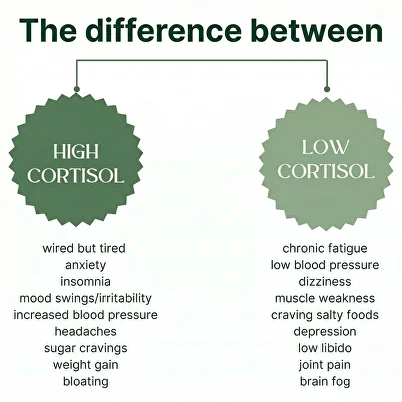
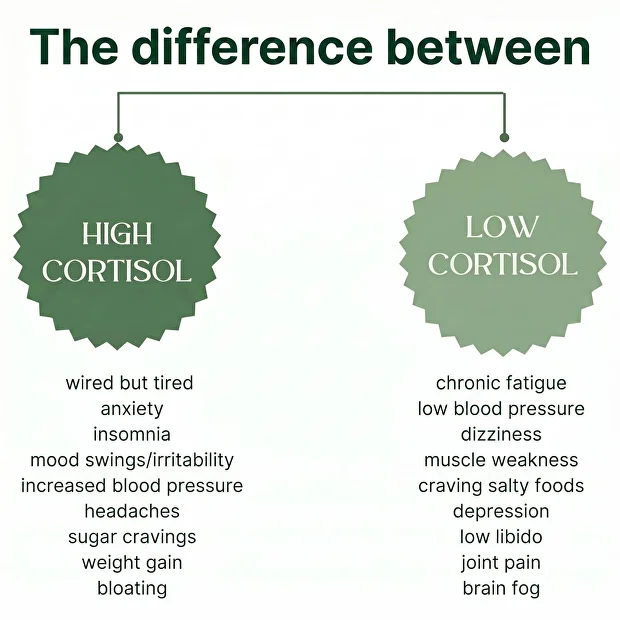
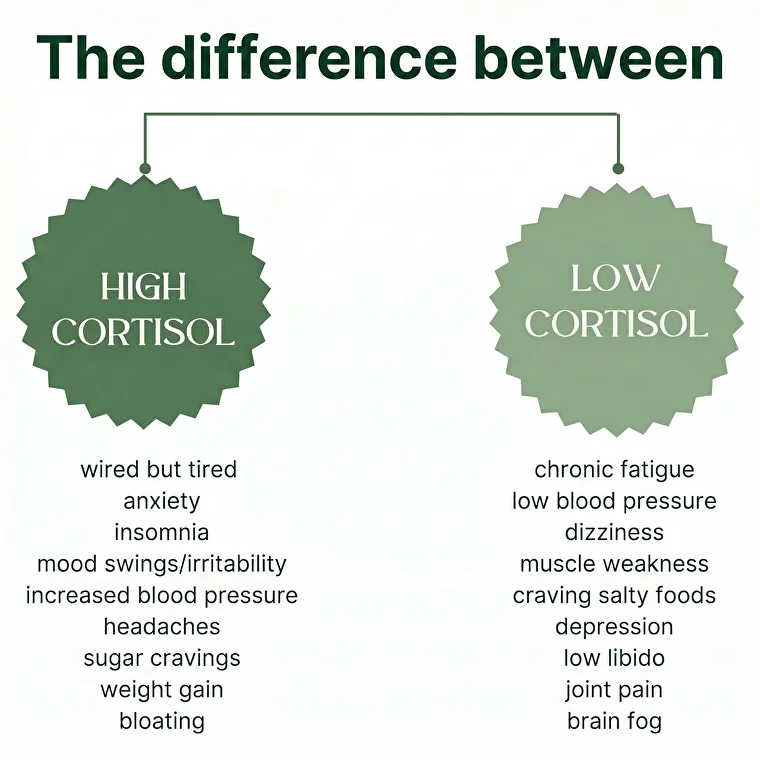
We should clear something up right away because cortisol gets blamed for everything, but it is not the villain people make it out to be when you look at how the body actually works. This hormone keeps you alert and energized and ready to handle whatever shows up at your door, so without it you would not even have the energy to get out of bed or respond to a normal daily challenge. The problem only appears when cortisol stays high for weeks or months on end, constantly pinging your system like a bad notification that you cannot swipe away, and that is when it starts messing with your sleep and your mood and your overall sense of well being. What makes exercise tricky is that it can either help lower those levels or drive them even higher depending on how you approach it, which means you have to learn how to work with your body instead of fighting against it. People have learned the hard way that going all out every single day is a fast track to feeling more burnt out, while choosing the right activities at the right intensity can slowly bring everything back into balance. [1]
Best Exercises for Lowering Cortisol
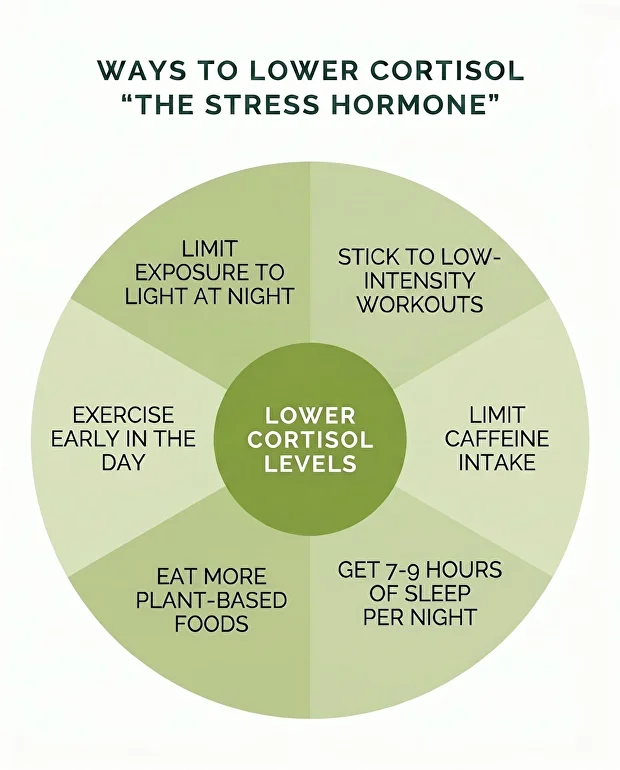
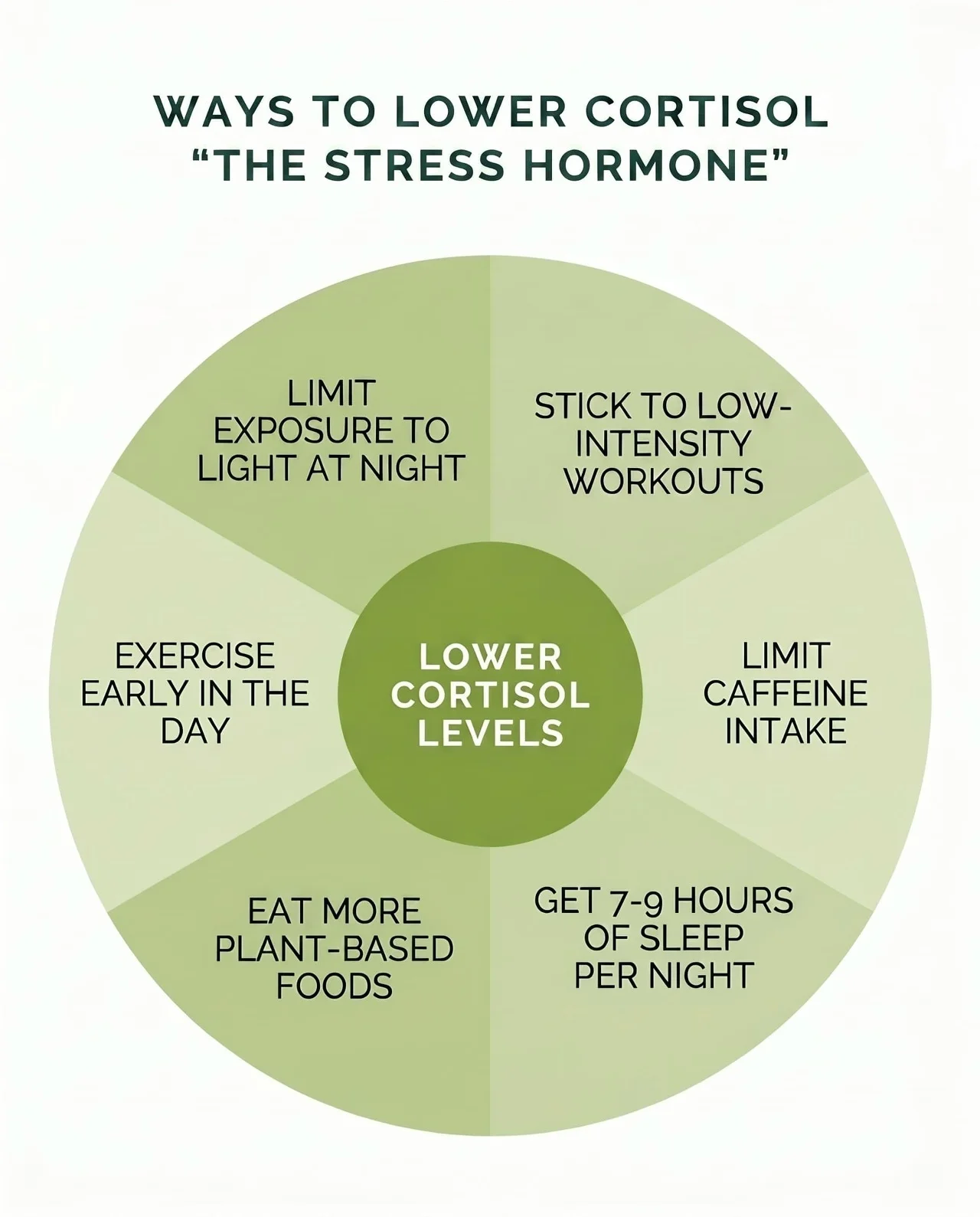
We have seen a lot of people make the mistake of thinking that more intensity equals more results, and that is the fastest way to keep yourself stuck in that high stress loop you are trying to escape. When you blast through a high intensity interval session or go for a max effort run, your body interprets that as a genuine threat and releases more cortisol to help you survive what feels like an emergency. That response is perfectly fine once or twice a week if you are already well rested and your baseline stress is low, but if you are already running on empty then those hard sessions just add more fuel to the fire. The people who have successfully lowered their chronic cortisol levels learned to prioritize recovery and sleep and nutrition above everything else, because no supplement or breathing technique can outwork a body that never gets to rest. Walking outside first thing in the morning before looking at your phone has been a game changer for many, not because walking is magic but because it combines gentle movement with natural light and a moment of quiet before the world rushes in. You do not need to become a marathon runner or a yoga master to see real changes, but you do need to stop treating every workout like a test you have to pass.
The fear that a lot of people carry under the surface is that if they stop pushing hard they will lose progress or get out of shape or somehow fall behind, and that fear itself keeps cortisol elevated even when they are trying to relax. What we have learned from watching people navigate this problem is that the ones who finally break the cycle are the ones who give themselves permission to do less and trust that less is actually more when it comes to hormonal health. There is a real terror of letting go of the grind mentality because our culture rewards people who are always busy and always tired and always pushing through, but that treadmill will never lead you to a calmer system. The people who succeeded stopped asking what exercise burns the most calories and started asking what movement makes them feel more human again. They walked when they wanted to walk and rested when they needed to rest and slowly their sleep got deeper and their evenings got quieter and that constant sense of being on edge started to fade. You can get there too, but you have to be honest about whether your current routine is helping you heal or just adding another layer of stress on top of everything else.
1-on-1 Workouts & Custom Fitness Plans with Online Personal Trainer
Low-Intensity Cardio
The beauty of low-intensity cardio lies in its accessibility and ease of integration. They’re easy to stick to because they’re not overly demanding, enjoyable to perform, and, most importantly, they get the job done when it comes to reducing stress and lowering cortisol levels. The key to unlocking their power is to maintain your heart rate at a moderate level – this is crucial if you want to effectively lower your stress hormone levels, and not push your body into an overstressed state. This is about finding that sweet spot where you’re moving your body and feeling invigorated, rather than feeling depleted or exhausted. It’s all about working with your body, respecting its boundaries, and taking the time to move in a way that feels good, reduces your overall stress response, and supports optimal hormone balance.
These types of exercises are especially great for those looking to take a gentle, sustainable, and effective approach to their fitness journey, particularly if you’re new to exercise, or are looking for a stress-free way to incorporate physical activity into your day. They offer a way to nurture your body and mind simultaneously, and to make fitness a joyful and sustainable part of your lifestyle. Remember that this is a journey, and that consistency and self-compassion are the most important ingredients for success. These exercises offer a safe and effective path to improved health and overall well-being. [2]
Mind-Body Exercises
The people who have been through the worst of this will tell you that controlled breathing is not some fluffy wellness trend but more like a hidden reset button for a system that forgot how to calm down. Every inhale and every exhale becomes a chance to pull yourself back from the edge and stop the constant internal noise that makes it impossible to relax. Gentle movements done with real intention let you feel where you have been carrying tension maybe in your shoulders or your jaw or your lower back and then slowly let that tension go without forcing anything. These are not aggressive or fast movements but slow and almost meditative actions that tell your brain that you are safe right now in this moment. What makes this whole approach different from a standard workout is that you stop trying to prove something and start listening to what your body actually needs, which sounds easy but is actually terrifying for people who have spent years pushing through every signal to stop.
Here is the fear that most people do not say out loud. If they stop pushing and stop grinding and stop treating exercise like a battle, they worry that everything will fall apart and they will lose all the progress they worked so hard to get. That fear keeps cortisol high all by itself even on days when you are trying to rest. But the people who finally broke out of that loop learned that tuning in and responding with care instead of force is what actually fixes the underlying problem. These mindful practices activate the parasympathetic nervous system which is just a fancy way of saying the part of you that knows how to rest and digest and recover, and that system cannot do its job when you are always in fight or flight mode. When you practice this stuff consistently over weeks and months, you start to notice that your emotions do not swing as wildly and that feeling of being constantly on edge slowly fades into the background.
The best part about all of this is that you do not need expensive equipment or years of experience to get started, and that matters because when you are already exhausted the last thing you need is another barrier. A short yoga session before bed or a few minutes of easy stretching at your desk or standing outside doing some slow movements for five minutes can be enough to shift your state. You get to pick what works for your actual life and your actual energy levels on any given day, and that flexibility is what makes it sustainable. If you feel overwhelmed or completely drained or just tired of feeling terrible all the time, giving one of these practices a real try might be the kindest thing you have done for yourself in a long time. You might even find that you enjoy it, and enjoyment is the secret ingredient that makes consistency possible without forcing yourself. You deserve to give yourself that chance to feel something other than stress for a little while. [3]
1-on-1 Workouts & Custom Fitness Plans with Online Personal Trainer
Streangth Training Guidelines
The shift that actually works looks different and it might feel wrong at first because our culture has taught us that if you are not dying at the end of a workout you did not do enough. When you bring the intensity down to a moderate level where you are still working but not destroying yourself, and you add real rest between sets not just thirty seconds but enough time to actually catch your breath and feel your heart rate come back down, everything changes. You also have to watch the total time you spend lifting because a ninety minute grind session sends a very different hormonal message than a focused forty five minute workout where you leave feeling better than when you walked in. The people who have successfully navigated this will tell you that respecting your body's boundaries is not a sign of weakness but the exact thing that allows you to keep training for years without burning out completely. You are not giving up on strength training and you are not losing your progress, but you are learning to work with your natural rhythms instead of fighting against them every single time you pick up a weight. That one change in mindset from conquering to cooperating makes all the difference when your stress system has been screaming for help and no one has been listening. [4]
When you finally get this balance right and it might take some trial and error to find what works for you, strength training stops being another source of stress and starts being something that actually helps your body and your mind at the same time. People who figure this out notice that their hormone balance slowly improves and that general sense of feeling terrible all the time starts to lift a little bit with each week of smart consistent training. The real secret is showing up regularly without feeling pressured to destroy yourself every single time, and building a schedule that fits your actual energy patterns instead of fighting against them. You cannot compare yourself to someone who is not dealing with the same stress load because that comparison will only make you feel worse and push you to do things that are not right for your body right now. The most important skill you can learn is listening to what your body is telling you during and after each workout and then actually changing your plan based on that information instead of ignoring it and pushing through. You are looking for that sweet spot where you challenge your muscles just enough to grow stronger but not so much that you trigger another wave of stress hormones that takes days to come back down from. That balance is delicate and it takes time to find but it is absolutely achievable if you are patient with yourself and willing to adjust your approach as you go.
Workout Timing and Cortisol

1-on-1 Workouts & Custom Fitness Plans with Online Personal Trainer
Creating a Cortisol-Conscious Workout Plan
You will want to include those low intensity cardio sessions that soothe your nervous system like walking or easy biking, and you will want to add the mind body exercises that foster a real sense of calm instead of just going through the motions while your brain stays stuck in high alert. You can also add those strategic strength training workouts that help you build muscle and support your hormone balance without pushing you into that danger zone where everything falls apart. The timing of your workouts matters more than most people realize because working out too late in the evening can keep some people wired when they should be winding down, and working out too early might feel terrible if your morning cortisol is already through the roof. You also have to treat rest and recovery days as non negotiable parts of your week and not as wasted time, because your body does all of its repair and regeneration when you are resting not when you are pushing. Skipping rest days is one of the fastest ways to keep yourself stuck in that high cortisol loop that you are trying to escape.
None of this is about being rigid or following a strict schedule that causes even more stress than it relieves, because that would be completely backwards and you have probably already tried that approach without success. You need a schedule that works with your unique needs and preferences and that you can actually stick with when life gets messy and your energy dips and everything feels like too much. Think of this as a flexible approach that lets you adapt to the ups and downs of your real life instead of pretending that every week will look exactly the same. The most important thing is to build a routine that feels sustainable and achievable and even enjoyable, because enjoyment is what keeps you coming back without forcing yourself. This is not a sprint where you try to fix everything in two weeks only to burn out and quit, but a marathon where you aim for small steady improvements that add up over time. You want to create habits that will last for years and that slowly enhance your overall health without demanding perfection or punishing you when you have an off day. Give yourself the grace to figure this out as you go and trust that showing up imperfectly is still showing up.
Choose activities that you actually enjoy doing because forcing yourself through workouts you hate will spike your stress before you even start and make it impossible to stay consistent over the long run. Start with small manageable steps that do not overwhelm you, and then slowly add more time or a little more intensity only when you feel ready for it. The perfect workout plan is the one that fits your actual life and your actual stress levels right now, and finding that plan takes some experimentation and patience as you figure out what truly supports your unique needs and goals and daily schedule.
Additional Stress-Reduction Strategies
Conclusion
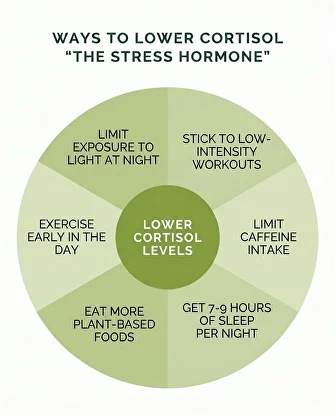
Managing cortisol levels effectively is not a quick fix, but rather a journey that requires a deep understanding of the delicate and interconnected balance between physical activity, your individual stress response, and your overall lifestyle. It’s a process of self-discovery that requires self-awareness, patience, and consistent effort. It’s become increasingly clear that the best exercise to reduce cortisol isn’t about pushing yourself to the point of exhaustion, or relentlessly chasing the most extreme workout. Instead, it’s about consciously choosing mindful movement that actively promotes a relaxation response, fosters a sense of calm, and supports your overall hormone balance. This is a far more sustainable, and long-term strategy.
Low-intensity cardio, such as walking, swimming, or light cycling, mind-body exercises like yoga, Tai Chi, pilates, and stretching, and strategic strength training sessions, all play a crucial role in this intricate dance of reducing stress and promoting overall well-being. However, these approaches must be performed mindfully, and with an understanding of your body’s unique signals and limitations. Moreover, workout timing is an equally important factor in this equation. Aligning your activity with your natural cortisol rhythm, and avoiding high-intensity workouts when your body is already experiencing peak cortisol levels, will ultimately lead to more effective and sustainable results.
Ultimately, the path to managing your stress hormone effectively, and creating optimal hormone balance is about crafting a truly personalized approach that works best for you, based on your unique needs, preferences, and lifestyle. It’s about finding the routines that bring you joy, and that you can realistically adhere to in the long term. Combining these exercise strategies with other powerful stress management techniques, such as prioritizing good quality sleep, consuming a balanced and nutritious diet, and engaging in regular mindfulness practices, ensures a more holistic path to reduced stress, improved mental well-being, and sustainable physical health. It’s about integrating exercise and lifestyle changes, to create a more balanced and fulfilling life. This is a journey, not a destination, and it’s about progress, not perfection.
Key Takeaways
Mind-Body Exercises: Yoga, Tai Chi, Pilates, and stretching promote relaxation response, and significantly lower the stress hormone, and support a better endocrine system.
Strength Training: Can be beneficial when performed at moderate intensity, with adequate rest, to avoid triggering a cortisol spike. Focus on 2-3 sessions a week.
Workout Timing: Consider exercise intensity and align it with your natural cortisol cycle. Light activity is best in the early morning; more intense workouts in the mid-morning. Evening is best for gentler movement.
Holistic Approach: Combine exercise with other stress management practices like deep breathing, meditation, adequate sleep, and a balanced diet, for a sustainable reduction in cortisol and a more balanced hormone balance. If you looking for holistic aporoach, consider Mywowfit:
FAQ
The most effective types of exercise to reduce cortisol levels are those that are low to moderate in intensity and promote relaxation. This includes activities like walking, swimming, light cycling, gentle jogging, yoga, Tai Chi, Pilates, and stretching. These exercises help to engage the relaxation response, promote mindful movement, and help to reduce the body’s overall stress response. High-intensity workouts, while beneficial for other aspects of fitness, can sometimes temporarily increase cortisol, so you need to be mindful when deciding what type of workout is right for you. It is all about listening to your body and finding what works for your unique needs. The key is to find something that you enjoy, and can do consistently, as this is one of the most important factors in achieving long-term results.
How can I lower my cortisol levels quickly?
While long-term stress management requires a consistent and sustainable routine, there are a few things you can do to lower your cortisol levels quickly. Deep breathing exercises are fantastic, and can help to activate the parasympathetic nervous system, promoting a sense of calm. Practicing mindfulness or meditation, even for a few minutes, can also help to promote relaxation and reduce stress. Taking a break from stressful activities, listening to calming music, and enjoying a few minutes of stretching, can all help to lower cortisol quickly. Remember that these techniques offer temporary relief, but combining them with a long-term strategy that includes consistent exercise and good sleep patterns is essential for sustainable hormone balance.
How to reduce cortisol belly fat?
Cortisol can contribute to the accumulation of fat around the abdomen, often referred to as “cortisol belly fat.” To address this, it’s important to focus on strategies that help to manage your overall stress response and reduce cortisol levels. This includes a combination of low to moderate-intensity exercise, such as walking, swimming, and yoga, which can help to lower cortisol without causing additional stress on the body. It’s also really important to ensure that you have a healthy diet that is rich in whole, unprocessed foods, as this will help to regulate your endocrine system and support optimal hormone balance. Getting enough sleep, practicing mindfulness, and incorporating other stress management techniques will also be beneficial. Remember that there is no single solution, and that a combination of approaches will produce the best, and most sustainable results.
How quickly does exercise lower cortisol?
The speed at which exercise lowers cortisol can vary based on the type, intensity, and duration of the activity. Low-intensity exercises like walking or yoga can start to reduce cortisol levels within 20-30 minutes. The relaxation response is often quick, and you may start to feel calmer quite quickly. The effects of these types of exercises can typically last for 4-6 hours, or more. High-intensity exercise might result in a temporary increase in cortisol during the workout, with a subsequent decrease in the hours following. The key is to focus on finding an activity that best suits your individual needs, and that provides a long-lasting sense of calm and well-being. Consistent exercise combined with other stress management techniques will ensure that you are doing all you can to keep your cortisol levels in check.
Need more help organizing routine?


PubMed: Exercise and circulating cortisol levels: the intensity threshold effect
PubMed: The beneficial effect of low-intensity exercise on cardiac performance assessed by two-dimensional speckle tracking echocardiography
American College of Sports Medicine. (ACSM) - acsm.org
ACSM: Exercise for Relaxation An Approach to Well-Being
ACSM: The effect of mindfulness-based stress reduction therapy on maternal anxiety, depression, and sleep quality
Photo
Responses (4)
You may also be interested
Meet some of our trainers

All rights reserved


How it Works
Trainers
Pricing
Blog
FAQ
Gift Certificate
Referral Program
Work with Us
Affiliate Program
Terms of Service
Code of Conduct
Disclaimer of Medical Advice
Cancellation, Refund, Referral Policy
Services


USA, 1111B S Governors Ave #6047 Dover, DE 19904, Online Fitness Technologies INC
EU and UK: MYWOWFIT OU, Estonia, Harju maakond, Tallinn, Kesklinna linnaosa, Tornimäe tn 3 // 5 // 7, 10145





Share via