
7 Benefits of Walking Every Day
In this guide, we’ll look at why walking every day is so beneficial, how it supports everything from heart health to stress levels and why such a simple habit can make a real difference in everyday life. We’ll also go through practical tips for building a walking routine that actually feels sustainable.
table of contents
The Science Behind Walking Benefits
A regular walking routine supports multiple systems at once including your heart, muscles, joints, circulation, metabolism and even your nervous system. It helps with your blood flow and overall your mobility gets better. Walking also affects things we don’t always immediately notice, like energy levels or hormone regulation. If consistent it also improves your sleep quality and stress management. Even shorter daily walks can help your body function more efficiently over time.
Research has consistently linked regular walking with a lower risk of conditions like heart disease, stroke, type 2 diabetes and certain chronic illnesses. But the benefits aren’t only physical, walking can also improve mood, reduce stress and just overall support mental well-being in a very natural way. And unlike more intense forms of exercise, walking is usually gentle on the body and easier to maintain long term. That’s one reason it can be so effective because it’s accessible and sustainable for everyday life. [1]
Physical Benefits of Daily Walking
Weight Management and Metabolism
One of the biggest benefits of walking is that it helps you stay active consistently without putting too much stress on the body. And consistency is often what makes the biggest difference over time.
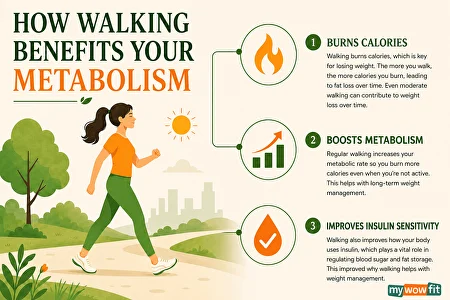
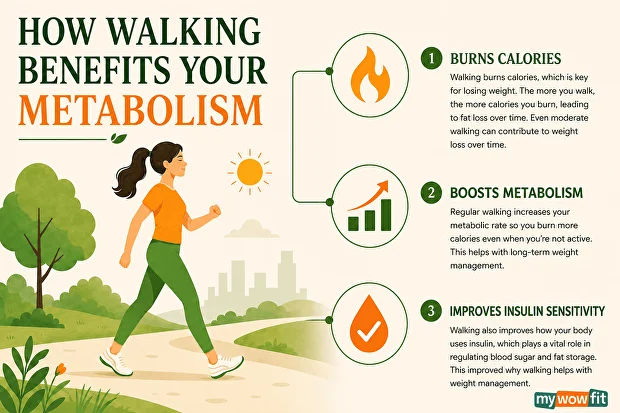
First, walking helps create a calorie deficit by increasing the amount of energy your body uses throughout the day. The exact number of calories burned depends on factors like body weight, walking speed, duration, and terrain, but on average, a person burns around 100–300 calories during a 30–60 minute walk. For example a person weighing around 155 pounds (70 kg) burns approximately 167 calories during 30 minutes of walking at a moderate pace of 4 mph [2]. Over time, these calorie expenditures add up significantly, especially when walking becomes a consistent daily habit.
Walking also helps increase overall metabolic activity. Your metabolism refers to the processes your body uses to convert food into energy. Regular physical activity can improve metabolic efficiency by increasing muscle activity and energy demand throughout the day. Even moderate exercise like walking may slightly increase resting metabolic rate over time, particularly when paired with strength training. In simple terms, a more active body becomes better at using and burning energy, not only during exercise but throughout the day as well.
Another important factor is insulin sensitivity. Insulin is a hormone that helps move glucose (sugar) from the bloodstream into your cells, where it’s used for energy. When insulin sensitivity is low, the body struggles to use glucose efficiently, which can lead to higher blood sugar levels and increased fat storage. Regular walking has been shown to improve insulin sensitivity, meaning the body becomes more efficient at using glucose instead of storing excess energy as fat [3]. This can help stabilize energy levels, reduce cravings caused by blood sugar spikes and crashes, and support healthier long-term weight management. Research has also shown that walking after meals may help reduce blood sugar spikes by encouraging muscles to use glucose more effectively. Even short walks after eating can positively affect blood sugar regulation and overall metabolic health.
One of the reasons walking works so well for weight management is that it’s sustainable. Unlike extreme workout routines that can be difficult to maintain long term, walking is low-impact, accessible, and realistic for most people to do consistently. Consistency is one of the most important factors in successful long-term fat loss and health improvement.
And while walking alone can already make a noticeable difference, combining it with strength training and other forms of movement often leads to even better long-term results. That’s where personalized support can help. Mywowfit trainers work with clients to build balanced fitness routines that fit real life whether that means adding strength training, improving overall mobility or finding realistic ways to stay consistent. The goal isn’t extreme workouts or quick fixes but creating sustainable habits that support your health and overall well-being.
1-on-1 Workouts & Custom Fitness Plans with Online Personal Trainer
Cardiovascular Health
Walking may seem simple, but it’s one of the easiest ways to improve cardiovascular health without putting too much stress on the body. Regular walks help strengthen the heart muscle and improve blood circulation over time. Daily walking has also been linked to lower blood pressure, healthier cholesterol levels and a reduced risk of heart disease. Even moderate walks can make a difference when done consistently.
Another important benefit is circulation. Walking helps move oxygen and nutrients more efficiently throughout the body, supporting everything from energy levels to organ function. It can also help reduce stiffness from sitting too long and support healthier blood flow overall. [4]
The best part is that you don’t need intense workouts to see these benefits. A simple daily walk — whether it’s 15 minutes
Muscle and Bone Strength
It's a simple but effective exercise for keeping your whole musculoskeletal system in tip-top shape!
Mental Health Benefits
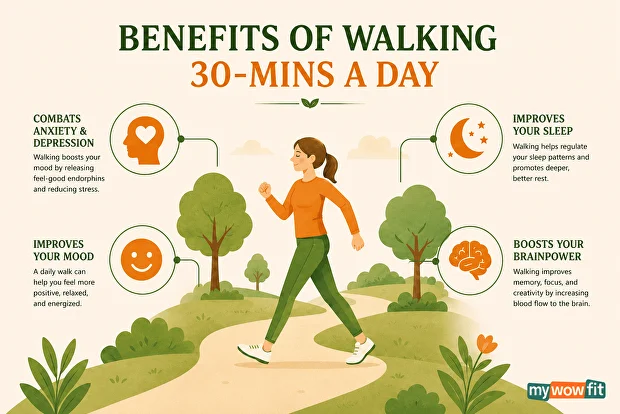
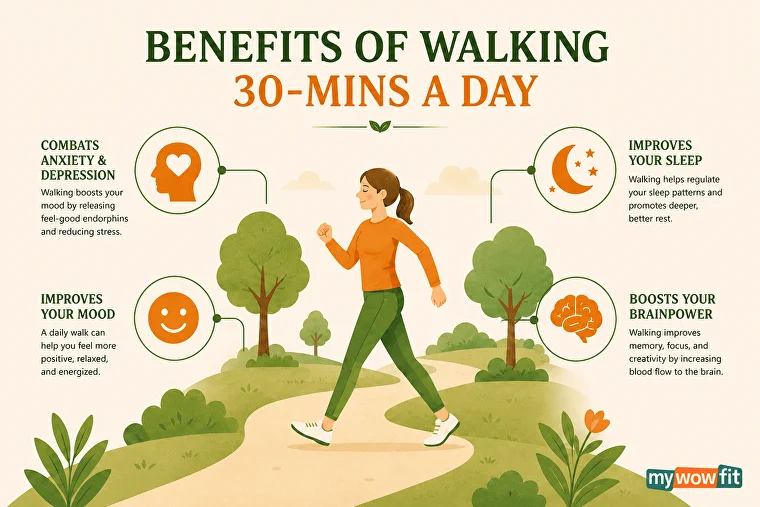
The benefits of walking go far beyond physical health. One of the biggest changes many people notice after walking regularly is how much better they feel mentally and emotionally. Walking can be an incredibly effective way to reduce stress, clear your mind, and create a sense of balance during busy or overwhelming days. Modern life often keeps our nervous systems in a constant state of stimulation. Between screens, notifications and long hours sitting indoors, many people rarely get a real mental pause throughout the day. Stepping outside, moving your body, and changing your environment for even 10–20 minutes can help calm the mind and reduce feelings of mental fatigue.
Walking outdoors seems to have an especially positive effect. Fresh air, sunlight and natural surroundings have all been linked to lower stress levels and improved mood. Research suggests that spending time in nature may help reduce cortisol, the body’s primary stress hormone, while also helping regulate the nervous system [5]. That’s one reason many people describe walks as “resetting” or grounding.
Regular walking has also been associated with lower levels of anxiety and depression. Part of this comes from the release of endorphins and other neurotransmitters like serotonin and dopamine, which play an important role in mood regulation and emotional well-being. Physical movement helps stimulate these chemicals naturally, which can create a calmer, more positive mental state after exercise. But the mental benefits of walking are not only chemical. Walking also creates structure and routine, which can have a surprisingly stabilizing effect emotionally. In that sense, walking becomes more than exercise as it becomes a form of mental recovery.
Another benefit people often overlook is how walking supports focus and cognitive function. Physical movement increases circulation throughout the body, including blood flow to the brain. Improved blood flow helps deliver oxygen and nutrients more efficiently, which may support concentration, memory, mental clarity, and overall brain function. Some studies have even linked regular walking to improved long-term cognitive health and a reduced risk of cognitive decline as we age. The connection between walking and mental health is well-supported by scientific research [6].
Walking can also positively affect sleep quality, which then impacts almost every other area of health. Regular movement helps regulate circadian rhythms meaning the body’s natural sleep-wake cycle, making it easier to fall asleep and get deeper, more restorative sleep. It’s a good reminder that movement doesn’t only change how the body feels. It can also have a huge impact on how our nervous system is working on day to day basis.
How Much Walking Is Enough?
If you’re just getting started, begin small. Even a 15–20 minute walk each day can improve energy levels, mood, circulation, and overall health. Once that starts feeling easier, you can gradually increase your walking time or frequency without putting too much pressure on yourself.
Longer walks something around 45 to 60 minutes, can provide additional benefits, especially for cardiovascular health, endurance, and weight management. But shorter walks still absolutely count. A quick walk during lunch or between tasks can make a bigger difference than people often expect.
A good way to measure intensity is by paying attention to your breathing. You should feel like you’re moving with purpose and breathing a little heavier than usual, but still able to hold a conversation comfortably. That’s usually a great pace for improving cardiovascular health without overdoing it.
1-on-1 Workouts & Custom Fitness Plans with Online Personal Trainer
Optimal Walking Schedules
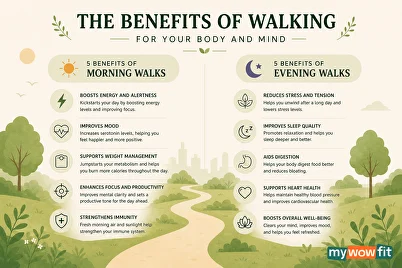
There’s no “ideal” time to walk. The best walking routine is usually the one that fits naturally into your life and feels realistic to maintain.
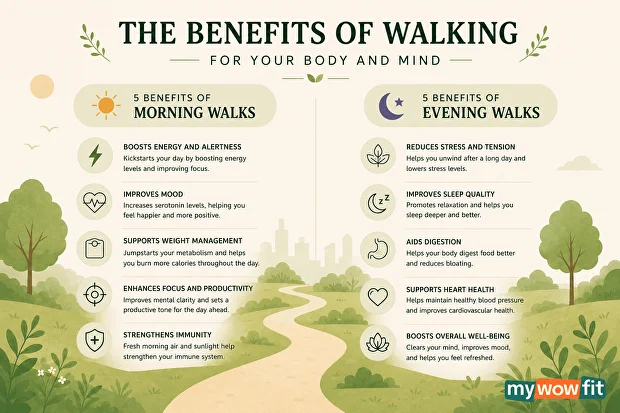
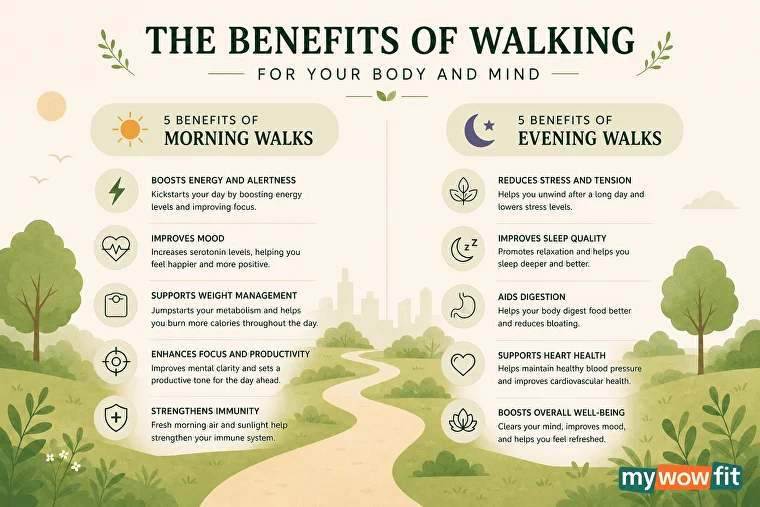
Some people love morning walks because they help wake up the body, improve focus and set a calmer tone for the day. Others prefer evening walks as a way to clear their mind and unwind before bed. Both can be beneficial, it really comes down to your energy levels, schedule, and personal preference.
What matters most is consistency rather than timing.
Even shorter walks done regularly tend to be more effective long term than occasional intense workouts. Walking most days of the week, even for 20–30 minutes, can lead to noticeable improvements in energy, mood, endurance and overall health over time.
Once walking starts feeling easier, you can gradually challenge yourself by increasing your pace, walking longer distances, or adding hills and different terrain. Small changes like these can help improve cardiovascular fitness and keep your routine feeling interesting.
Making Walking a Daily Habit
Special Considerations
For older adults, slower-paced walks and shorter distances may feel more comfortable at first — and that’s completely fine! For children, movement often happens more naturally through play and daily activity. And for people with busy schedules, even smaller moments of movement throughout the day can add up. Walking during phone calls and taking short movement breaks during work can still provide meaningful health benefits over time.
If you have joint pain, heart conditions, balance issues or other health concerns, it’s always a good idea to speak with a healthcare professional before starting a new exercise routine. A doctor or physical therapist can help you figure out what feels safe and realistic for your body.
It’s also important to adjust your walking habits based on the environment around you. On hot days, walking earlier in the morning or later in the evening may feel more comfortable and staying hydrated becomes especially important. In colder or rainy weather, indoor walking can be a great alternative. And indoor walking absolutely counts. Whether it’s at a gym, shopping mall, hallway or even walking in place at home, movement is still movement.
The biggest benefit of walking is its flexibility since it can fit into almost any lifestyle, schedule or environment.

He will help you consider factors such as joint health or the presence of cardiovascular conditions, offering personalized recommendations based on your needs.
Additionally, Behzad recognizes the importance of workout consistency, especially in relation to weather conditions. You can enjoy flexible workout solutions that keep your safety and comfort in mind, whether you choose to exercise outdoors or indoors.
Summary
One of the best things about walking is that it’s flexible. There’s no single routine that works for everyone. Some people enjoy longer walks, while others prefer shorter walks throughout the day. The right approach depends on your lifestyle, goals, fitness level, and what feels realistic for your body. Starting small and staying consistent is usually far more effective than trying to do too much too quickly. Even short daily walks count, and over time those small efforts can turn into lasting habits that support both physical and mental health.
It’s also important to adapt your walking routine to your own needs. Things like age, energy levels, health conditions, weather, and schedule can all affect what feels comfortable and manageable. The goal isn’t perfection, it's more about creating a routine you can maintain long term.
And if you want more structure or support, working with a trainer can help make the process feel easier and more motivating. Mywowfit trainers help people build realistic fitness routines that fit into everyday life and support long-term health and wellness goals.
Ready to make real progress in your recovery?
If you’re looking for more structure, motivation, or personalized feedback, this might be the right time to get expert support. With a certified trainer from Mywowfit by your side, you’ll stay on track, avoid setbacks, and actually enjoy the process.
Here’s how working out at the gym compares to training with a professional:

FAQ
A healthy amount of walking varies, but aim for at least 30 minutes of moderate-intensity walking most days of the week. This translates to around 7,500 steps daily. More is generally beneficial, depending on your personal goals and fitness levels.
What does a daily walk really do for your body?
A daily walk improves cardiovascular health, boosts mood, manages weight, strengthens muscles and bones, and improves sleep. It has many benefits for your whole body and your general wellbeing.
Can you lose belly fat by walking?
Yes, walking is an effective way to lose overall body fat, including belly fat. Regular walking burns calories and improves your metabolism, which contributes to fat loss.
What are the 10 benefits of walking?
The 10 main benefits of walking include: improved cardiovascular health, weight management, enhanced muscle strength, better bone density, stress reduction, mood enhancement, improved cognitive function, better sleep, increased energy levels, and reduced risk of chronic diseases.
Responses (9)
You may also be interested
Meet some of our trainers

All rights reserved


How it Works
Trainers
Pricing
Blog
FAQ
Gift Certificate
Referral Program
Work with Us
Affiliate Program
Terms of Service
Code of Conduct
Disclaimer of Medical Advice
Cancellation, Refund, Referral Policy


USA, 1111B S Governors Ave #6047 Dover, DE 19904, Online Fitness Technologies INC
EU and UK: MYWOWFIT OU, Estonia, Harju maakond, Tallinn, Kesklinna linnaosa, Tornimäe tn 3 // 5 // 7, 10145





Share via